Key facts
- Japanese golf courses are actively seeking South Korean visitors to boost business.
- South Korean golfers are opting for Japanese courses due to lower costs and better service.
- Golf in South Korea has become prohibitively expensive, with costs sometimes exceeding 1 million won for a single round.
- Japan boasts over 2,300 golf courses, second only to the United States.
- A round of golf in Japan typically costs between ¥7,000 and ¥12,000, often including a cart and a light meal.
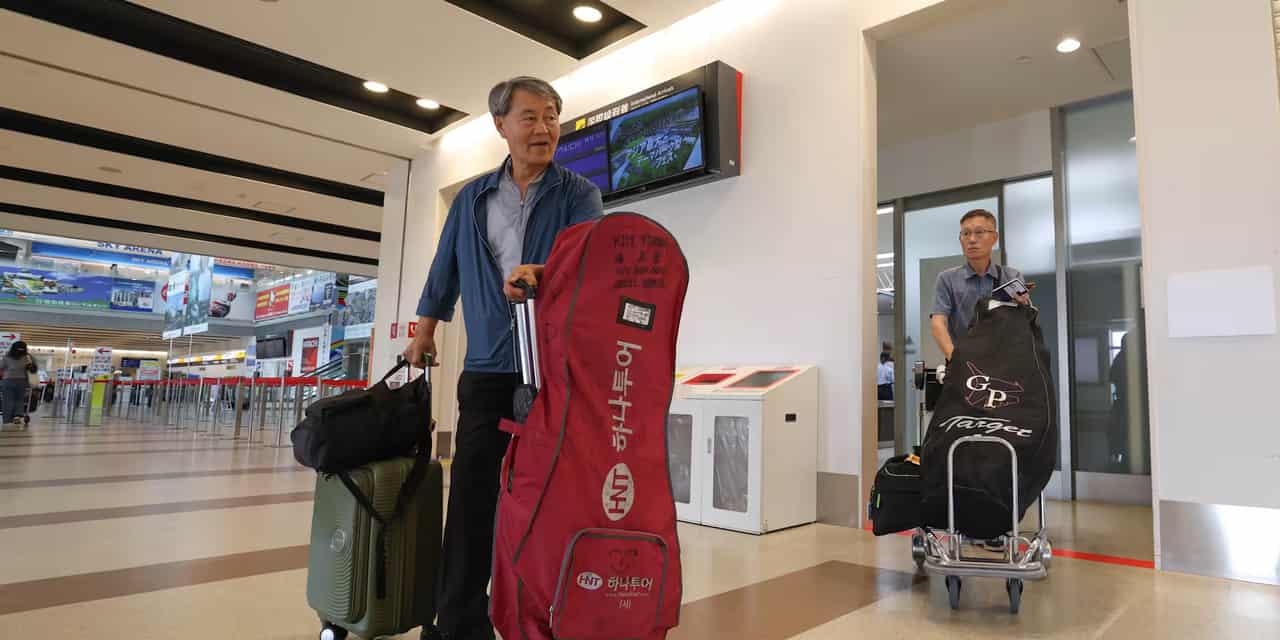
Japan's golf courses are increasingly turning to South Korean visitors to counteract a decline in local interest, driven by high costs and a shift towards more affordable leisure activities among younger demographics. South Korean golfers, in particular, are seeking out Japanese courses for their perceived superior cost-performance ratio and quality of service.
South Korea's domestic golf market faces significant challenges, with golf becoming one of the most expensive sports globally. Factors contributing to this include inadequate regulations, a shortage of facilities, and what is described as the "endless greed" of golf courses, leading to exorbitant green fees that can reach up to 1 million won for a single round. This situation has prompted many South Korean golfers to look abroad for more economical options.
Japan, with over 2,300 golf courses, offers a vast array of options and is a popular destination for international players. The cost of playing golf in Japan is generally more accessible, with an 18-hole round typically ranging from ¥7,000 to ¥12,000 (approximately US$45-80), often inclusive of green fees, a golf cart, and sometimes a light meal. Courses are strategically located near major cities and resort areas, making them convenient for visitors.
The history of golf in South Korea dates back to 1900, and it has since evolved into a mainstream sport with a significant golfing population. However, despite its popularity, the industry faces ongoing issues with regulation and pricing. The current trend of South Koreans playing golf abroad highlights a critical juncture for the domestic golf industry, necessitating strategic improvements to retain its players.