All NewsEducationTV
Equities & FundsCrypto & Digital AssetsAI & TechnologyBusiness & CorporateUS Politics & PolicyGeopolitics & Global RiskMacro, Rates & FXCommodities & EnergyEuropean Politics & MarketsAsia-PacificReal Estate & Property
Story archiveAll categories
← All Stories

Taiwan's FS-8A satellite successfully launched into orbit

Created at 28 Jul · 3:16 AM1 source↑ Market-relevant
IN SHORT

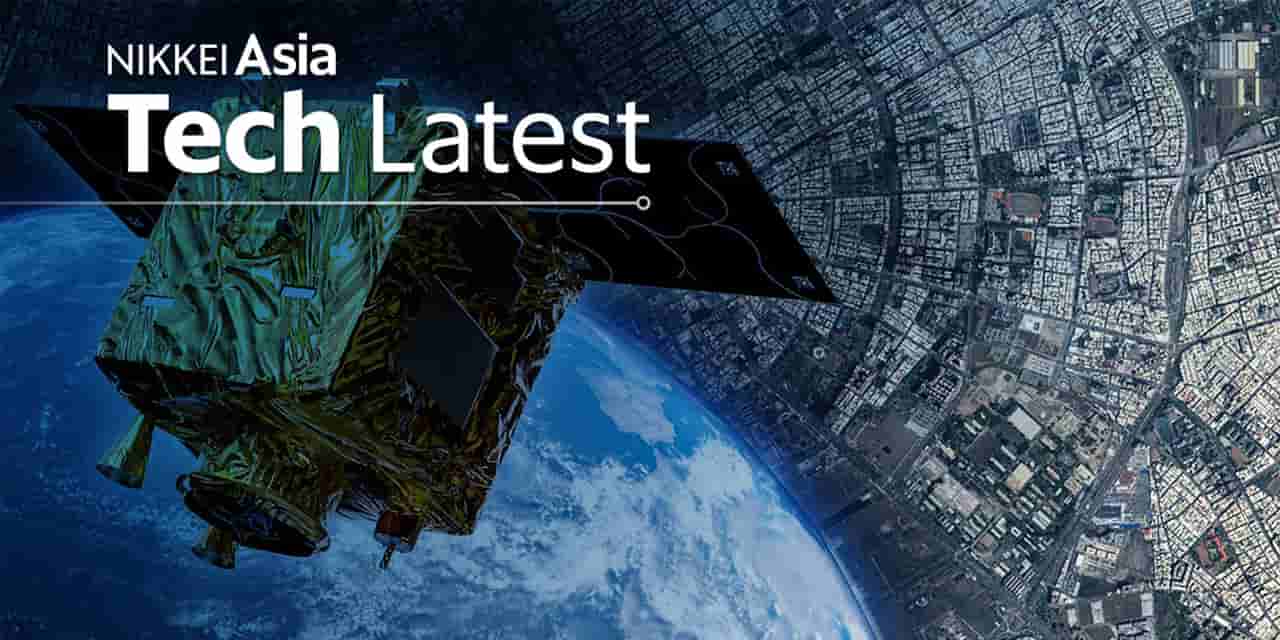
Taiwan's first domestically built optical remote-sensing satellite, FS-8A, successfully launched aboard a SpaceX Falcon 9 rocket. The launch marks a significant step in Taiwan's ambition to build an independent satellite-building capability and a robust homegrown space industry.

✉Newsletter

PiQ Daily

Pick your topics. Get only what matters, on your cadence.

Key Numbers

84%domestic content rate for FS-8A satellite components
8spacecraft in the FORMOSAT-8 constellation
3times per day FORMOSAT-8 can capture imagery
2031year for full FORMOSAT-8 constellation deployment
NT$71 billionexpanded budget for Taiwan's space technology development plan
33Taiwanese partners involved in FS-8A development

Who's Involved

FS-8A
Taiwan's first domestically built optical remote-sensing satellite
FORMOSAT-8
satellite constellation for Earth observation
SpaceX
provider of the Falcon 9 rocket for the launch
Jong-Shinn Wu
Director General of the Taiwan Space Agency (TASA)
National Yang Ming Chiao Tung University (NYCU)
key academic institution supporting Taiwan's space industry
Taiwan Space Agency (TASA)
national agency overseeing Taiwan's space program
Taiwan's FS-8A satellite successfully launched into orbit

↳ Why This Matters

The successful launch of FS-8A signifies Taiwan's growing technological sovereignty and its commitment to developing a robust domestic space industry, crucial for national security, disaster management, and economic diversification.

Key facts

  • Taiwan's first domestically built optical remote-sensing satellite, FS-8A, successfully launched into orbit on a SpaceX Falcon 9 rocket.
  • The FS-8A is the first of eight satellites planned for the FORMOSAT-8 constellation, designed for Earth observation.
  • The satellite achieved an 84% domestic content rate, involving 33 Taiwanese industry, government, research, and university partners.
  • The FORMOSAT-8 constellation aims to capture imagery up to three times per day with sub-meter resolution.
  • The Taiwan Space Agency (TASA) was established to advance the nation's space ambitions, with a long-term plan extended to 2031.

Taiwan has achieved a significant milestone in its space ambitions with the successful launch of its first domestically built optical remote-sensing satellite, FS-8A, into orbit aboard a SpaceX Falcon 9 rocket. The launch, which occurred on November 29 after multiple delays, marks a critical step toward the island's goal of independent satellite-building capability.

The FS-8A is the initial satellite of the FORMOSAT-8 constellation, which is designed to provide high-resolution, high-frequency Earth-observation imagery for various applications including land-use planning, disaster response, climate monitoring, and national security. The development of FS-8A saw a remarkable 84% domestic content rate, drawing on expertise from 33 Taiwanese industry, government, research, and university partners.

Dr. Jong-Shinn Wu, Director General of the Taiwan Space Agency (TASA), highlighted the dedication of Taiwan's space community and the significance of this achievement. Once fully deployed by 2031, the FORMOSAT-8 constellation is expected to form a global imaging network capable of capturing locations up to three times daily, a substantial upgrade from previous missions like FORMOSAT-5.

National Yang Ming Chiao Tung University (NYCU) is playing a crucial role in cultivating the necessary talent for Taiwan's growing space industry, emphasizing that the global competition in this sector is fundamentally a race for people. The university's Institute of Space Systems Engineering (iSSE) is dedicated to comprehensive space systems design, fostering the next generation of aerospace professionals.

The Taiwan Space Agency (TASA) was officially established in 2023, repositioning the National Space Program Office as an administrative corporation. This move is supported by an expanded Third-Phase National Space Technology Development Long-Term Plan, which has seen its budget increased to NT$71 billion and its timeline extended to 2031, focusing on optical remote-sensing satellites, communications satellite commercialization, and private space startup incubation.

Frequently asked questions

The FS-8A satellite is designed for high-resolution, high-frequency Earth-observation imagery, intended for applications such as land-use planning, disaster response, climate monitoring, and national security.

Once fully deployed, the FORMOSAT-8 constellation will form a global, high-revisit optical imaging network capable of capturing specific locations multiple times per day.

The FS-8A satellite's components reached an 84% domestic content rate, with contributions from 33 Taiwanese industry, government, research, and university partners.

National Yang Ming Chiao Tung University (NYCU) is focused on cultivating talent for Taiwan's space industry through programs like the Institute of Space Systems Engineering (iSSE), which covers end-to-end space systems design.

What Happens Next

01All eight satellites of the FORMOSAT-8 constellation are expected to be deployed by 2031.
02Taiwan aims to push for the commercialization of its communications satellite technology.
03The country plans to further incubate and support private space startups.

Get the newsletter.

Pick the topics you actually care about. We'll email when there's news worth your time, on the cadence you choose. Cancel any time from your account.

Cadence

How It Developed

Taiwan's first domestically built optical remote-sensing satellite, FS-8A, was successfully launched into orbit.
The FS-8A satellite is the first of eight spacecraft in the FORMOSAT-8 constellation.
The FORMOSAT-8 constellation aims to provide high-resolution, high-frequency Earth-observation imagery.
The FS-8A satellite's components achieved an 84% domestic content rate.
The Taiwan Space Agency (TASA) was elevated from a program office to an administrative corporation.
Taiwan's space technology development plan was expanded with a significant budget increase and extended timeline to 2031.

Sources

T1
Taiwan's space industry prepares for lift-offNikkei Asia
T2
Taiwan's First Homegrown Satellite "FS-8A" Reaches Orbit — NYCU ...nycu.edu.tw
T2
Taiwan's Space Industry: A Satellite Powerhouse Without a Rockettaiwan.md

Related Stories

CATL-backed smart driving firm plans Hong Kong IPO this week
28 Jul · 2:51 AM
Philippine women in Taiwan's tech factories face impossible choices regarding motherhood
28 Jul · 12:51 AM
China's high-tech hubs lead uneven economic growth
28 Jul · 8:11 AM
China's CXMT Surges 470% on STAR Market Debut, Valued at $487B
28 Jul · 4:26 AM
Taiwanese opposition may benefit from cooking oil scandal
27 Jul · 12:06 PM