Key facts
- South Korea plans to establish a new semiconductor production base in the southwestern Gwangju and Jeolla regions.
- The project involves 800 trillion won (approximately $517.9 billion) in corporate investments.
- The investment will support the creation of four new memory chip fabrication plants.
- The initiative is part of a broader strategy to bolster the nation's AI capabilities, including AI data centers and robotics.
- The government will streamline regulations and invest in infrastructure to support the semiconductor expansion.
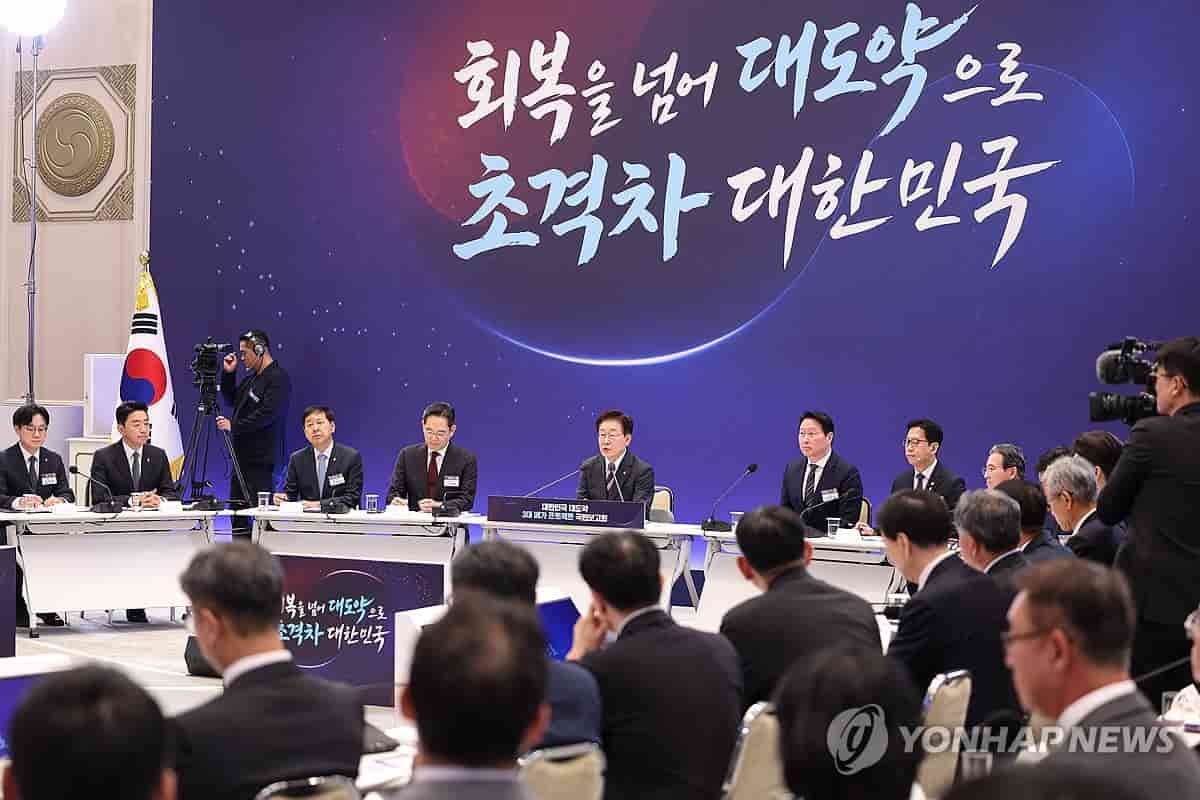
South Korea is set to develop a significant new semiconductor production base in its southwestern region, with corporate investments projected to reach 800 trillion won (approximately $517.9 billion). This initiative, unveiled by Industry Minister Kim Jung-kwan and chaired by President Lee Jae Myung, aims to establish four new memory chip fabrication plants.
The plan designates the Gwangju and Jeolla regions as the nation's second major semiconductor cluster, complementing the existing hub near Seoul. Minister Kim highlighted the insufficiency of a single production base to meet surging global semiconductor demand and the limitations of current expansion plans regarding power and water resources.
This semiconductor push is a cornerstone of the government's "three mega projects" initiative, which also encompasses substantial investments in physical artificial intelligence (AI) and AI data centers. The government intends to accelerate investment schedules, bringing forward the construction of new fabrication plants by up to 12 years to the mid-2030s. To facilitate this, regulatory processes will be streamlined, and investments will be made in essential infrastructure, including electricity and industrial water supplies.
Additionally, the Chungcheong region is slated for development as an advanced semiconductor packaging hub with an investment of 81 trillion won, while Daegu and North Gyeongsang regions will be fostered as innovation centers for semiconductor materials, components, and equipment. A broader government-industry plan will inject 30 trillion won over 15 years to support the entire semiconductor value chain, from R&D and design to manufacturing.
The strategy extends to fostering an AI-powered robotics industry, with a goal to increase South Korea's share of the global humanoid robot market from 1% to 20% long-term. The government plans to create early domestic demand by procuring humanoid robots for education, defense, and disaster response.
The third pillar involves expanding AI data center infrastructure. In collaboration with SK Group, GS Group, and Naver, the government aims to invest approximately 550 trillion won by 2029 to build AI data centers with a combined capacity of 8.4 gigawatts, with total investment expected to exceed 1,000 trillion won by 2035, reaching 18.4 GW. The government has pledged to ensure sufficient electricity and water supplies to support these data centers.