HomeEverythingEducation
Equities & FundsCrypto & Digital AssetsAI & TechnologyBusiness & CorporateUS Politics & PolicyGeopolitics & Global RiskMacro, Rates & FXCommodities & EnergyEuropean Politics & MarketsAsia-PacificReal Estate & Property
Story archiveAll categories
← All Stories

Samsung, SK Hynix have edge over Japan due to chaebol structure, says Kioxia dealmaker

Created at 9 Jul · 5:05 AM1 source↑ Market-relevant
IN SHORT

A Bain Capital executive who led the acquisition of Toshiba Memory (now Kioxia) stated that South Korean chip giants Samsung and SK Hynix possess a structural advantage due to their chaebol conglomerates, which allow for decisive top-down leadership and massive investments, unlike Japanese corporate governance.

✉Newsletter

PiQ Daily

Pick your topics. Get only what matters, on your cadence.

Key Numbers

2 trillion yenacquisition price of Toshiba Memory by Bain-led consortium
4,000%Kioxia share price increase since December 2024 listing
8.5%Kioxia share price increase on Thursday
2%Nikkei 225 gain on Thursday
1.7%Kospi decline on Thursday
2.3%Samsung Electronics share price decline on Thursday
2.3%SK Hynix share price increase on Thursday

Who's Involved

Yuji Sugimoto
Bain Capital's Japan representative and dealmaker for Kioxia acquisition
Bain Capital
Private equity firm that acquired Toshiba Memory
Toshiba
Former owner of Toshiba Memory, now Kioxia
Kioxia
Japanese memory chip maker, formerly Toshiba Memory
Samsung
South Korean semiconductor giant
SK Hynix
South Korean semiconductor giant
David Gross
Managing Partner at Bain Capital
Samsung, SK Hynix have edge over Japan due to chaebol structure, says Kioxia dealmaker

↳ Why This Matters

The commentary highlights how corporate structure and leadership models can significantly impact competitiveness in capital-intensive, cyclical industries like semiconductors, suggesting that the chaebol system provides South Korean firms with a crucial edge in navigating market volatility and investing for future growth, particularly in AI-driven demand.

Key facts

  • South Korean chip giants Samsung and SK Hynix have a structural advantage over Japanese companies due to their chaebol conglomerate structures, according to Yuji Sugimoto of Bain Capital.
  • Sugimoto stated that the decisive top-down leadership and ability to make massive, rapid investments are critical in the semiconductor industry.
  • He believes this type of management is difficult to achieve under the governance of large Japanese corporations.
  • Sugimoto led Bain Capital's acquisition of Toshiba Memory, now Kioxia, which has seen significant share price growth since its listing.
  • Bain Capital has since exited its investment in Kioxia.

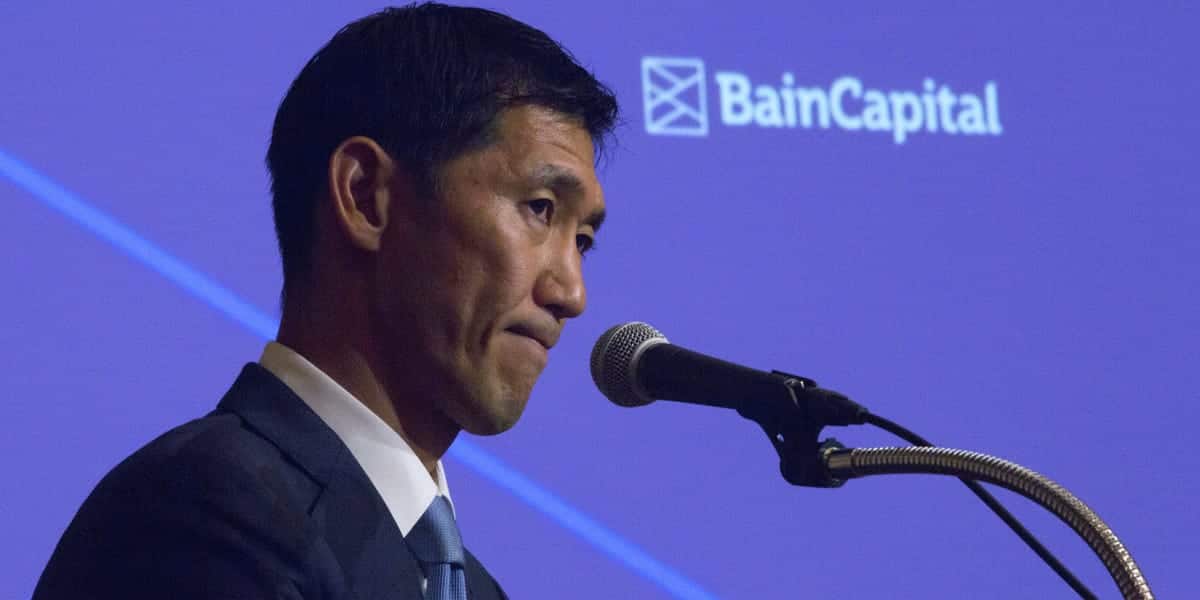
South Korean semiconductor giants Samsung and SK Hynix possess a structural advantage over their Japanese counterparts, primarily due to the decisive, top-down leadership and ownership structures inherent in their chaebol conglomerates. This allows for rapid decision-making and substantial, consistent investment, even through market downturns, according to Yuji Sugimoto, Bain Capital's Japan representative.

Sugimoto, who led Bain's acquisition of Toshiba Memory (now Kioxia) from Toshiba in 2018, explained that such large-scale, long-term investments, especially during periods of significant losses, would likely face insurmountable opposition within the governance framework of typical large Japanese corporations. He noted that Kioxia's successful turnaround, particularly in capitalizing on the recent AI boom, would have been improbable had it remained under Toshiba's umbrella.

Bain Capital's strategy of continuing to invest in Kioxia despite mounting losses during a memory downturn ultimately proved successful as AI-driven demand surged. Kioxia's shares have since seen remarkable growth, rising over 4,000% since its December 2024 listing. Bain Capital has since divested its stake in the company.

On Thursday, Kioxia's stock performance contributed to a 2% rise in Japan's Nikkei 225 index, while South Korea's Kospi saw a 1.7% decline. This movement was influenced by major index components, with Samsung Electronics falling 2.3% and SK Hynix rising 2.3%.

Frequently asked questions

Kioxia is a Japanese memory chip maker, formerly known as Toshiba Memory. It was acquired by a Bain Capital-led consortium in 2018 and later renamed Kioxia.

A chaebol is a large South Korean industrial conglomerate, typically family-controlled, characterized by extensive business diversification and centralized leadership, such as Samsung and SK.

According to Yuji Sugimoto, their success is attributed to the powerful top-down leadership and ownership structures of their chaebol conglomerates, enabling decisive commitment and massive investments.

Bain Capital has exited its investment in Kioxia and no longer holds a stake in the company.

What Happens Next

01Kioxia's future performance will be monitored for continued growth in AI-driven demand.
02Further analysis of semiconductor industry investment strategies and corporate governance will likely follow.

Get the newsletter.

Pick the topics you actually care about. We'll email when there's news worth your time, on the cadence you choose. Cancel any time from your account.

Cadence

How It Developed

Yuji Sugimoto, Bain Capital's Japan representative, highlighted the success of South Korean semiconductor companies.
Sugimoto cited the powerful top-down leadership and ownership structures of chaebol conglomerates like Samsung and SK as a key advantage.
He stated that the ability to make massive investments and commit quickly is crucial in the semiconductor industry, a feat difficult under large Japanese corporate governance.
Sugimoto led Bain's acquisition of Toshiba Memory, which was later renamed Kioxia.
He noted that Kioxia's turnaround would have been impossible under Toshiba due to opposition to large investments during losses.
Bain continued investing through a memory downturn, which paid off as AI-driven demand boosted Kioxia's fortunes.
Kioxia's shares have risen over 4,000% since its December 2024 listing.
Bain has exited its investment in Kioxia.

Sources

T1
Samsung and SK Hynix still have one advantage Japan can't match, says Kioxia dealmakerBusiness Insider

Related Stories

LG invests $1B in Vietnam for semiconductor substrate plant
9 Jul · 1:05 AM
Seoul shares trim gains on retail selling amid geopolitical concerns
9 Jul · 2:40 AM
China's Xi Jinping Calls for Innovation System Overhaul to Beat Global Tech Rivals
8 Jul · 3:05 PM
New Zealand Manufacturing Index Climbs to 5-Year High in June
8 Jul · 10:52 PM
South Korea's tourism vote nears 30,000 as campaign extends
8 Jul · 8:50 AM