Key facts
- Ralph Lauren's sales in China increased by 50% last quarter.
- The brand's strategy focuses on offering an aspirational "American Dream" lifestyle.
- Ralph Lauren's pricing is significantly lower than top-tier European luxury brands.
- The company has moved away from relying on discounts during shopping festivals.
- Ralph Lauren is concentrating its marketing and store upgrade efforts on key Chinese cities.
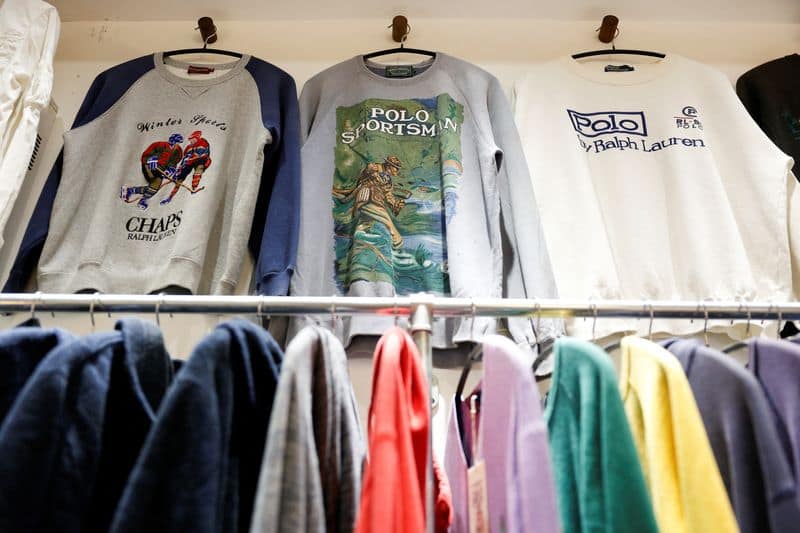
Ralph Lauren is experiencing a significant sales resurgence in China, with a 50% increase last quarter, driven by a strategic focus on aspirational branding and value pricing. Collector Xiao Neng, who has spent over $1 million on the brand, exemplifies the growing base of Chinese superfans attracted to Ralph Lauren's "American Dream" aesthetic.
This growth comes as the broader luxury market in China faces headwinds from weak consumer confidence, a property downturn, and job concerns. Executives and analysts attribute Ralph Lauren's success to a deliberate, multi-year overhaul aimed at strengthening brand positioning and local relevance, rather than a short-term market rebound. Chief Executive Patrice Louvet emphasized a long-term commitment to building foundational strength in the Chinese market.
The brand's pricing strategy, positioning it below European luxury houses like Chanel, Dior, and Louis Vuitton, is a key differentiator. While top-tier brands have significantly increased prices, Ralph Lauren offers dresses for a few thousand yuan and shirts under 2,000 yuan, appealing to consumers seeking high-class items at a more accessible price point. This value proposition has helped the brand gain traction as some consumers shy away from ultra-high-end labels.
Strategic changes also include a move away from heavy discounting during shopping festivals and a focused investment in upgrading stores and marketing. Ralph Lauren is employing a city-by-city strategy, concentrating resources on key urban markets such as Shanghai, Beijing, and Chengdu to deepen customer engagement and achieve necessary reach and frequency for brand impressions.