Key facts
- A senior presidential official rejected concerns about electricity supply for a new semiconductor cluster in Honam.
- The official stated the Honam region has sufficient renewable energy capacity, which can be further expanded.
- The government plans to establish the cluster as part of its "three mega projects" initiative.
- Samsung Electronics and SK Group have committed significant investments to the project.
- The official emphasized that the national power grid is interconnected, reducing reliance on a single source.
- President Lee will personally oversee the project, aiming for a swift establishment.
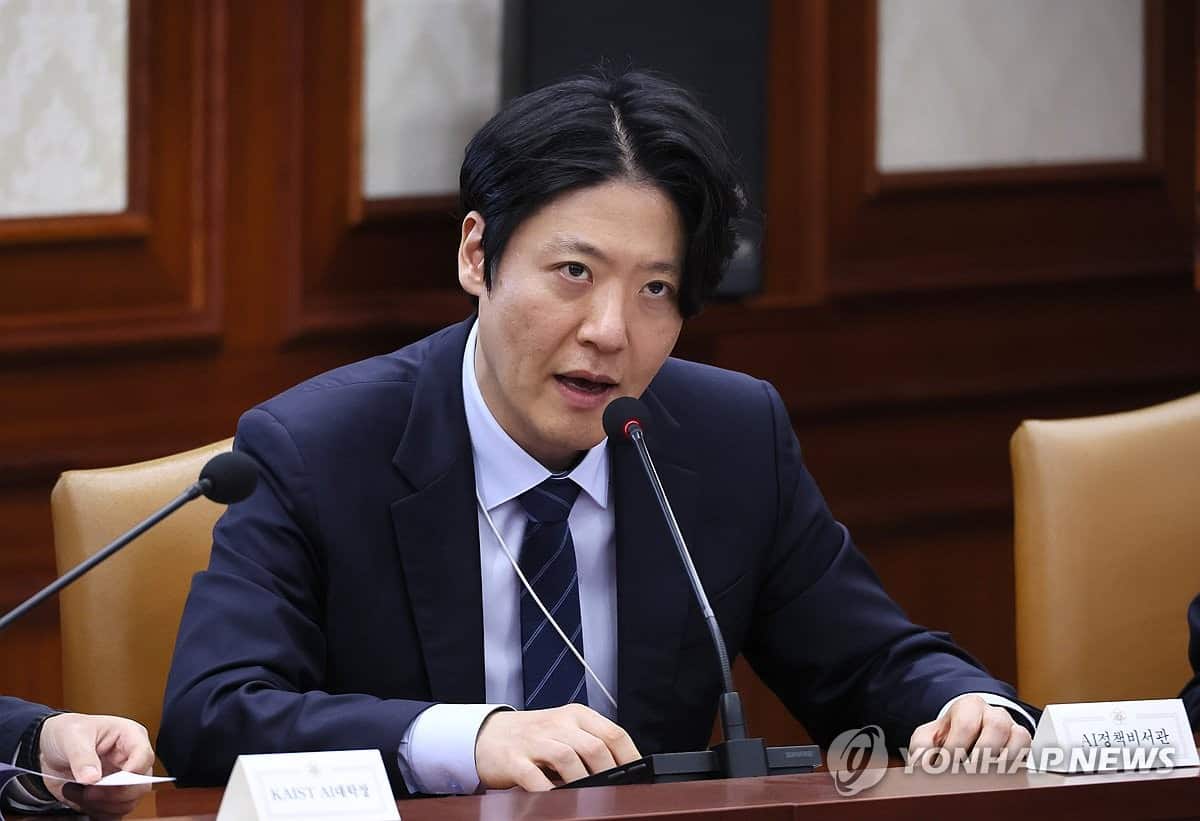
A senior presidential official has dismissed concerns that South Korea's southwestern Honam region may lack sufficient electricity supply capacity for a planned semiconductor cluster. Kim Woo-chang, presidential secretary for state artificial intelligence policy, stated on a radio program that the region possesses adequate renewable energy resources and has the potential for further expansion.
The government's plan to develop a second semiconductor cluster in Honam, in addition to the existing one in the capital region, aims to bolster the nation's chip production capabilities amidst intensifying competition in the AI industry. Samsung Electronics and SK Group have pledged substantial investments for this initiative, which is part of a broader government strategy called the "three mega projects," focusing on semiconductors, physical AI, and AI data centers.
Addressing skepticism about power generation capacity, Kim highlighted that Honam, along with other regions like Busan and Gangwon, hosts major power generation facilities. He defended the choice of Honam, noting it is a stronghold for the ruling Democratic Party and a significant source of solar power. Kim also pointed out that the national power grid's interconnectedness means the cluster would not solely depend on local generation.
Kim further emphasized the government's commitment to expediting the Honam chip cluster project under President Lee's direct supervision, aiming to significantly reduce the timeline compared to previous projects. A new task force is set to be established soon to manage the initiative.