Key facts
- Three students were killed and 20 injured in a school shooting in Tacloban City, Philippines.
- The attackers, aged 15 and 14, used a 9mm Glock pistol and a .38-caliber revolver.
- Philippine authorities are re-evaluating school safety measures to include preparedness for gun violence.
- The pistol used was issued to a police officer under investigation; the revolver was registered to a security agency.
- Concerns have been raised about children's exposure to online violence and potential radicalization.
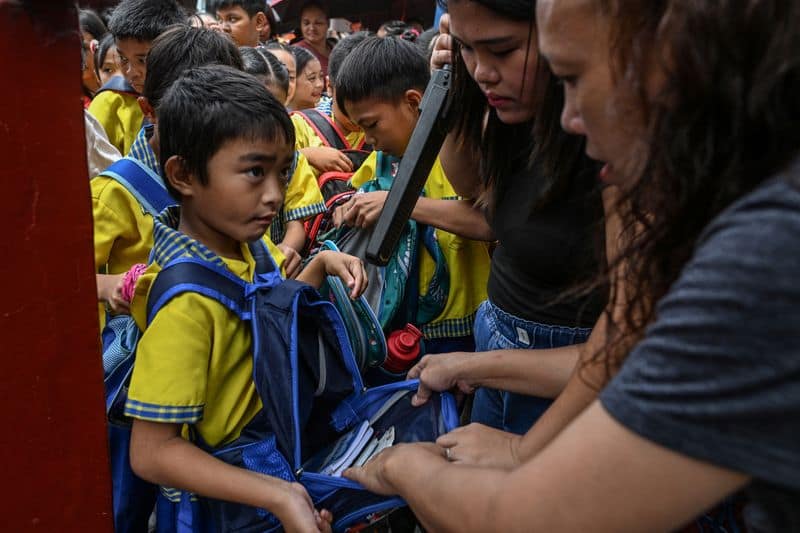
Philippine authorities are reassessing school safety protocols and civil defense planning in response to a rare and deadly shooting incident at a high school in Tacloban City. The attack, which killed three students and injured 20 others, has prompted officials to consider preparedness for human-induced threats alongside natural disasters.
Two students, aged 15 and 14, used a 9mm Glock pistol and a .38-caliber revolver in the attack. Police recovered at least 40 empty shells from the scene. Lieutenant Evalyn Diaz, a police spokesperson, stated that the school was not prepared for such an event and students did not know how to react, with some running instead of taking cover.
School shootings are uncommon in the Philippines due to relatively strict gun ownership regulations. However, illegal firearms remain a concern. Health Secretary Teodoro Herbosa plans to meet with education and health officials to update emergency measures and train teachers and students on responding to shooting incidents.
Investigations are underway to determine how the suspects obtained the firearms. The pistol was reportedly issued to a police officer who is now in custody, while the revolver was registered to a security agency. The national police support lowering the minimum age of criminal responsibility from 15 to 12, with one bill proposing an even lower age of 10.
Initial questioning suggests the suspects may have been bullied, but authorities are exploring other lines of investigation, including the potential influence of social media. Education Secretary Sonny Angara expressed concern about children's exposure to online violence and the risk of copycat incidents, referencing the situation in the United States. Senator Risa Hontiveros announced the reopening of a Senate inquiry into the alleged use of online platforms to groom and radicalize children into committing violence.