Key facts
- Niseko, a popular Japanese winter resort town, is implementing a strategy to attract tourists during its off-season.
- The town aims to leverage the popularity of the video game 'Ghost of Yotei' for tourism promotion.
- Plans include offering curated tours of locations featured in the game and selling officially licensed merchandise.
- The game, inspired by the natural beauty of Hokkaido and Mount Yotei, has achieved significant sales figures.
- Seven towns in the Niseko region have joined forces to develop tourism strategies related to the game.
The Japanese resort town of Niseko, known for its winter ski season, is seeking to boost tourism during the off-season by capitalizing on the popularity of the PlayStation 5 exclusive video game, 'Ghost of Yotei.' The game, developed by Sucker Punch and set in 17th century Japan, draws heavily on the natural landscapes of Hokkaido, particularly Mount Yotei. With hotel rates dropping significantly after the ski season, Niseko and surrounding towns aim to attract fans of the game by offering curated tours of in-game locations and developing officially licensed merchandise.
'Ghost of Yotei' has achieved considerable success, selling over 3.3 million copies by November 2025. This popularity has prompted a collaborative effort among seven towns in the Niseko region and local tourism associations to explore strategies that highlight the area's spring, summer, and fall scenery. Local businesses are already producing themed products, such as wooden badges and magnets, and plans are in motion for expanded merchandise lines. The initiative follows the precedent set by 'Ghost of Tsushima,' which also inspired tourism to its real-life counterpart, Tsushima Island, though that experience also highlighted potential issues with visitor behavior.
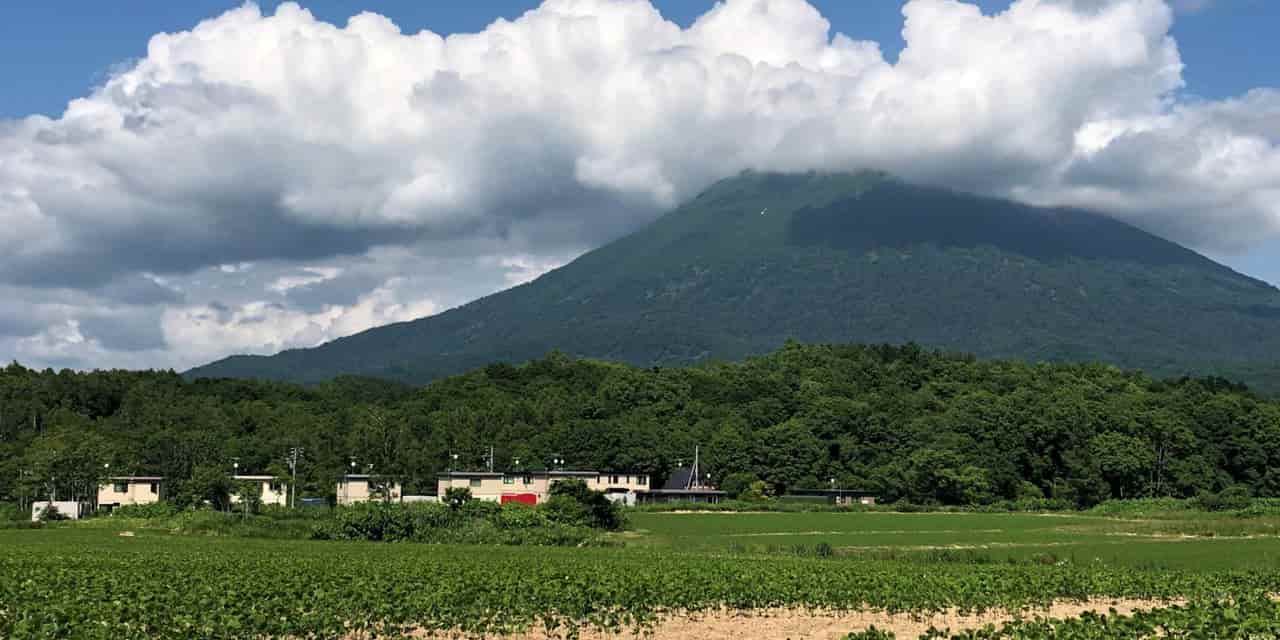
The game's setting is inspired by the real Mount Yotei, a stratovolcano in Hokkaido's Shikotsu Toya National Park, often referred to as 'Ezo Fuji' for its resemblance to Mount Fuji. The mountain and its surroundings, characterized by diverse seasonal beauty, deep forests, and tranquil lakes, provide a visually rich backdrop that the game recreates. This natural splendor, along with its cultural significance to the indigenous Ainu people, forms the basis for the game's immersive environment, offering players a connection between virtual exploration and real-world travel.