HomeEverything
Equities & FundsCrypto & Digital AssetsAI & TechnologyBusiness & CorporateUS Politics & PolicyGeopolitics & Global RiskMacro, Rates & FXCommodities & EnergyEuropean Politics & MarketsAsia-PacificReal Estate & Property
← All Stories

Japan's China textile imports hit 31-year low amid Southeast Asia shift

Created at 3 Jul · 5:15 PM1 source↑ Market-relevant
IN SHORT

Japan's textile product imports from China fell below 50% in 2025, reaching a 31-year low. Companies are diversifying to Southeast Asia due to rising labor costs and geopolitical risks in China.

✉Newsletter

PiQ Daily

Pick your topics. Get only what matters, on your cadence.

Key Numbers

50%China's share of Japan's textile imports in 2025
31-yearlow for Japan's China textile imports

Who's Involved

Uniqlo
Brand whose suppliers are diversifying production
Matsuoka
Uniqlo supplier building factories in Vietnam and Indonesia
Japan's China textile imports hit 31-year low amid Southeast Asia shift

↳ Why This Matters

The shift in textile sourcing away from China highlights broader trends of supply chain diversification driven by economic and geopolitical factors, impacting global trade flows and manufacturing hubs.

Key facts

  • Japan's textile product imports from China dropped below 50% in 2025.
  • This is the lowest share recorded in 31 years.
  • Companies are increasingly sourcing from Southeast Asia.
  • The shift is attributed to higher labor costs and geopolitical risks associated with China.

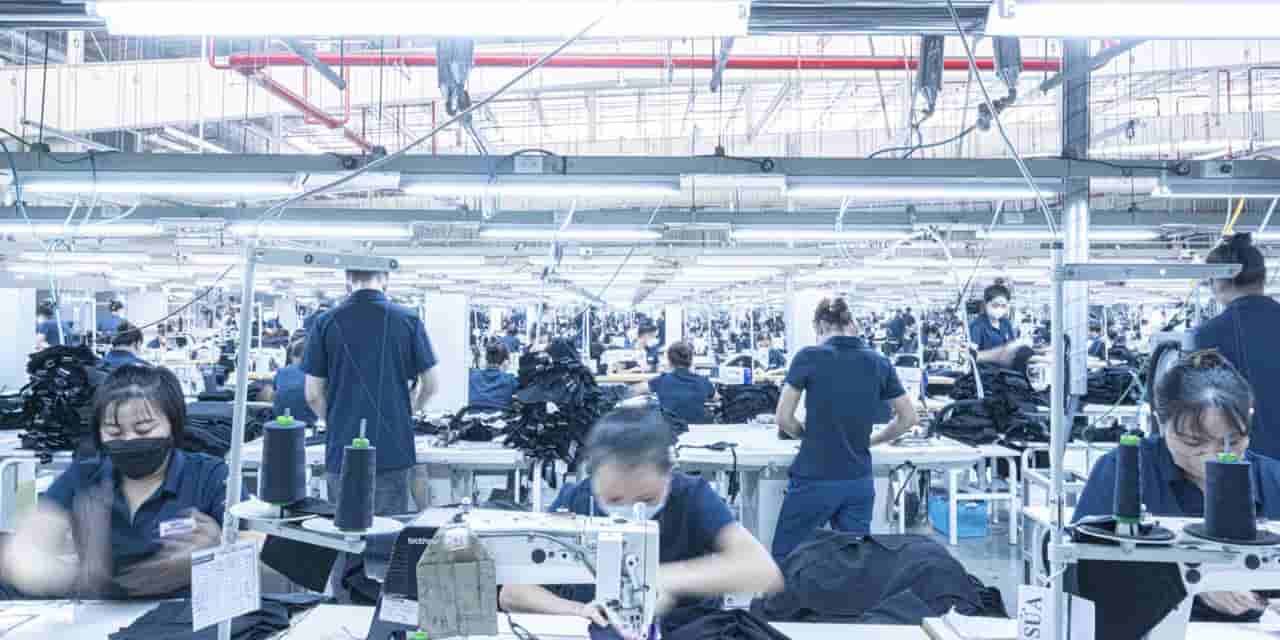
Japan's reliance on China for textile product imports has fallen to its lowest point in 31 years, with China's share dipping below 50% in 2025. This significant shift is driven by companies, including suppliers for major brands like Uniqlo, seeking to mitigate rising labor costs and geopolitical uncertainties associated with China. As a result, production is increasingly being redirected to Southeast Asian nations such as Vietnam and Indonesia, where manufacturers like Matsuoka are expanding their operations. This diversification strategy aims to create a more resilient and cost-effective supply chain, moving away from the concentrated risks previously associated with manufacturing solely in China.

Frequently asked questions

The primary drivers are rising labor costs and geopolitical risks associated with manufacturing in China.

Southeast Asian countries, including Vietnam and Indonesia, are seeing increased investment and production from Japanese companies.

Suppliers for brands like Uniqlo are actively diversifying their manufacturing bases.

What Happens Next

01Companies continue to monitor human rights in supplier networks.
02Further expansion of manufacturing facilities in Southeast Asia is expected.

Get the newsletter.

Pick the topics you actually care about. We'll email when there's news worth your time, on the cadence you choose. Cancel any time from your account.

Cadence

How It Developed

Japan's textile product imports from China fell below 50% in 2025.
This marks the lowest share in 31 years.
Companies are shifting production to Southeast Asia.
Diversification is driven by rising labor costs and geopolitical risks in China.

Sources

T1
Japan's clothing imports from China hit 31-year low in Southeast Asia shiftNikkei Asia

Related Stories

China signals openness to reducing EU trade surplus amid tougher EU stance
2 Jul · 7:05 PM
Japanese firms agree average 5.01% pay hikes
3 Jul · 7:43 AM
Japan probes shareholder reports amid rising activist proposals
3 Jul · 6:25 PM
Malaysia Blocks Low-Cost EV Imports, Hitting Chinese Automakers
2 Jul · 8:20 PM
Singapore to welcome East Timorese workers from next year
3 Jul · 4:05 AM