Key facts
- Indonesia's National Nutrition Agency will refocus its free meals program budget.
- New priorities include cutting back on new kitchens and targeting recipients in remote areas.
Indonesia's National Nutrition Agency will refocus its flagship free meals program budget by cutting new kitchens and prioritizing remote recipients. The changes follow a budget slash and the arrest of the previous chief for alleged corruption.
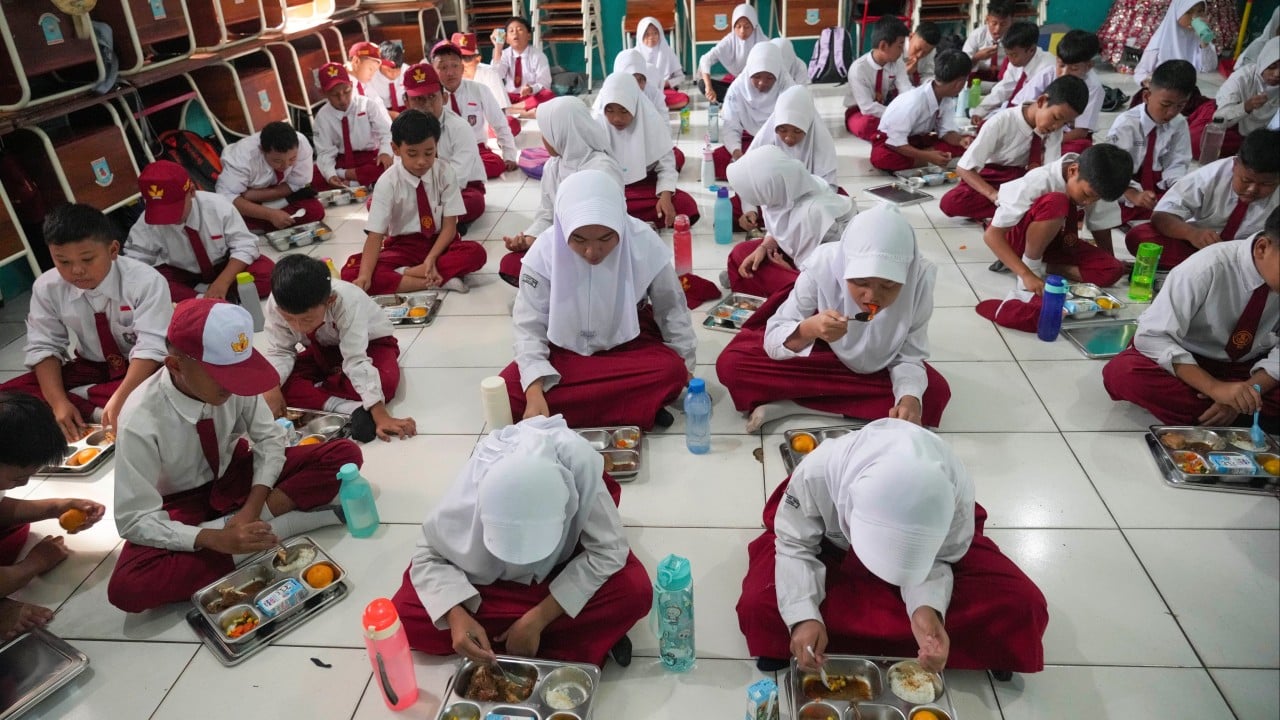
JAKARTA, June 4 (Reuters) - The Indonesian agency overseeing President Prabowo Subianto's flagship free meals programme will "refocus" its budget by cutting back on new kitchens and targeting recipients in more remote areas, its new chief said on Thursday. Nanik Sudaryati Deyang, the new chief of the National Nutrition Agency, stated that the new budget priorities come after the Southeast Asian country slashed the allocation for the programme this year to 268 trillion rupiah ($14.87 billion) from the initial 335 trillion rupiah. Nanik's predecessor, Dadan Hindayana, was arrested for alleged corruption offences, including marking up procurement prices, and was sacked by Prabowo on Tuesday. The ambitious free meals programme was a key part of Prabowo's campaign to win the presidency in 2024, with the government budgeting at least $15 billion to provide free meals to 83 million children and pregnant women across the sprawling archipelago. Nanik said her agency is not focused on hitting the 83 million target for 2026 but on ensuring existing kitchens are up to code and healthy, and would prioritise recipients living in remote areas. To ease budget pressures, the agency is considering other funding sources like grants or CSR programmes from private companies, and will limit new applications in areas with sufficient kitchens. The programme has faced scrutiny since its January 2025 launch, with investors wary of Prabowo's spending plans and concerned about fiscal deficit thresholds. It has also been linked to food poisoning cases affecting at least 33,000 children as of April.
The refocusing of the free meals program budget highlights concerns over its financial sustainability and potential corruption, impacting millions of children and pregnant women and potentially affecting the government's fiscal health.