Key facts
- Young Indians are increasingly opting for European universities over the U.S. for higher education.
- Lower tuition fees and living costs in Europe are major draws, with fees typically 50-80% less than in the U.S.
- A new India-EU trade deal facilitates easier visa pathways and post-study work opportunities.
- India's overseas student outflow has decreased, with students wary of U.S. visa rules and rising costs.
- European universities are actively seeking Indian talent to address labor shortages.
- Challenges such as language barriers and housing shortages persist in Europe.
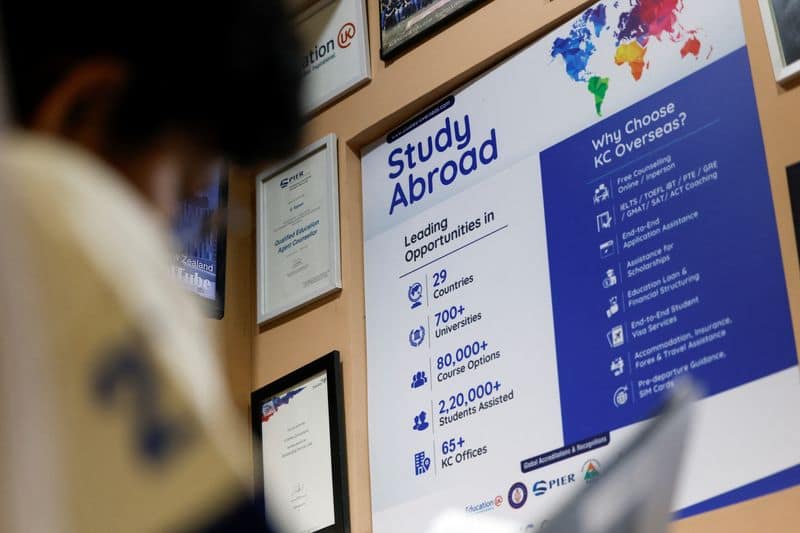
Young Indians are increasingly turning to European universities for higher education, moving away from the traditional preference for the United States. This shift is driven by a combination of factors, including the lower cost of studying in Europe, more accessible visa regulations, and enhanced post-study work opportunities facilitated by recent India-EU trade agreements.
Students like A. Shrinikheathan from Chennai are choosing Germany for its affordable education and strong industry links, a decision that reflects a broader trend among Indian youth to explore multi-polar study destinations. European tuition fees can be 50% to 80% lower than in the U.S., with additional savings on living expenses. This growing interest is supported by the EU's efforts to attract global talent to offset an aging population and labor shortages.
Government data indicates a decrease in India's overall overseas student outflow, with many students becoming wary of the rising costs and stricter visa policies in traditional destinations like the U.S., Australia, and the UK. The EU's mobility framework, part of a broader strategy to become a global talent magnet, aims to simplify pathways for Indian students and professionals, with forecasts suggesting a significant increase in flows over the next three to five years.
Consultants note that students are strategically choosing European countries based on their career goals, with Germany favored for engineering, the Netherlands for work-life balance, Portugal for research, and France for management. The increasing availability of English-language programs further enhances Europe's appeal. Despite these advantages, challenges such as language barriers, housing shortages in major cities, and intense job competition remain significant hurdles for Indian students pursuing education and careers in Europe.