Key facts
- Foreign tourists pay ₹1300 for the Taj Mahal complex, while Indian citizens pay ₹50.
- An additional ₹200 fee is required for entry into the Taj Mahal mausoleum.
- SAARC/BIMSTEC nationals pay ₹540 for the Taj Mahal complex.
- Agra Fort entry fees are ₹650 for foreigners and ₹50 for Indian citizens.
- Fatehpur Sikri charges ₹610 for foreigners and ₹50 for Indian citizens.
- Additional fees may apply for photography and video cameras.
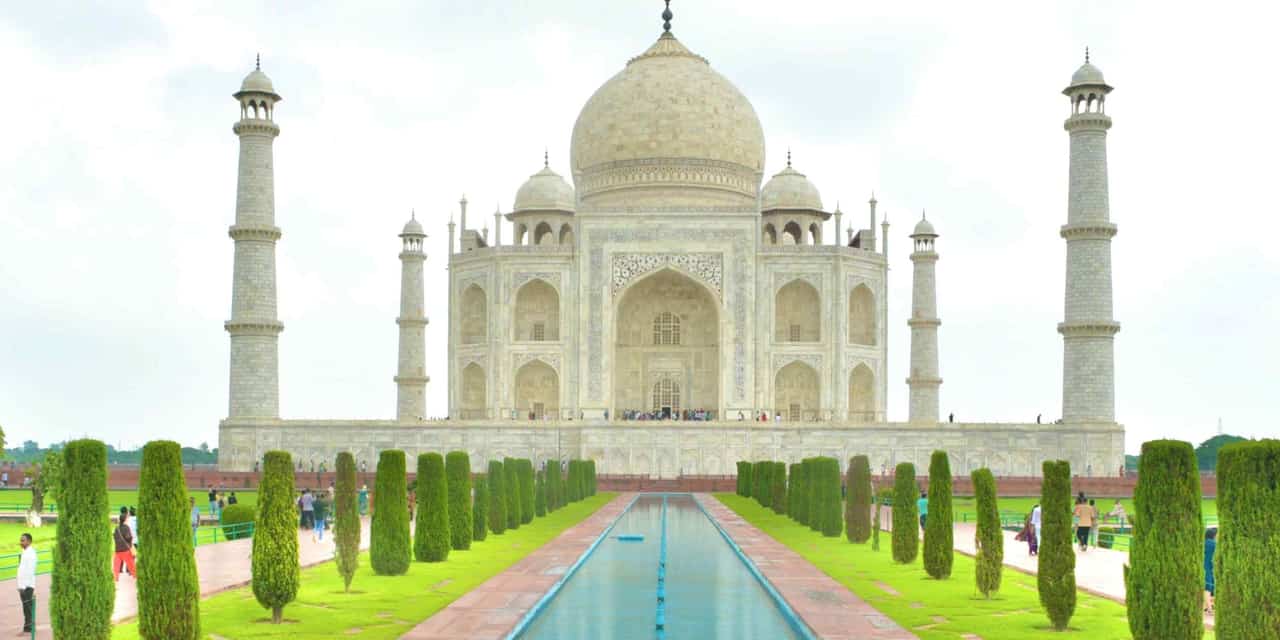
India's iconic tourist attractions, including the Taj Mahal and Agra Fort, are implementing a two-tier pricing system that charges foreign visitors significantly more than domestic tourists. This widening price gap, with foreigners sometimes paying up to 20 times the amount citizens do, is driven by inflation that has pushed up the costs associated with maintaining these historical sites.
For the Taj Mahal, foreign nationals are charged ₹1300 for entry into the main complex, while Indian citizens pay ₹50. An additional ₹200 fee is required for access to the mausoleum itself, regardless of nationality. Visitors from SAARC and BIMSTEC countries face a reduced rate of ₹540 for the Taj Mahal complex. Similar disparities exist at other prominent monuments such as Agra Fort, where foreigners pay ₹650 compared to ₹50 for Indians, and Fatehpur Sikri, with fees of ₹610 for foreigners and ₹50 for Indian citizens.
These entry fees cover access to the main complex, gardens, and the exterior view of the mausoleum, as well as the Taj Mahal Museum. Additional charges may apply for photography, video cameras, and entry into inner chambers. The Archaeological Survey of India (ASI) periodically updates these fees. Travelers are advised to book tickets online to avoid queues and to be aware of potential extra costs for services like guides or battery-powered buses within the monument premises.