Key facts
- China's stock exchanges have tightened bond review standards for local government financing vehicles.
- The new rules, effective late April 2026, include requirements for return on assets, operating cash flow, and asset restructuring.
China's local government financing vehicles are increasingly turning to bank loans and undergoing consolidation due to tighter bond issuance requirements imposed by stock exchanges. The new rules, effective late April 2026, mandate specific financial health metrics for issuers.
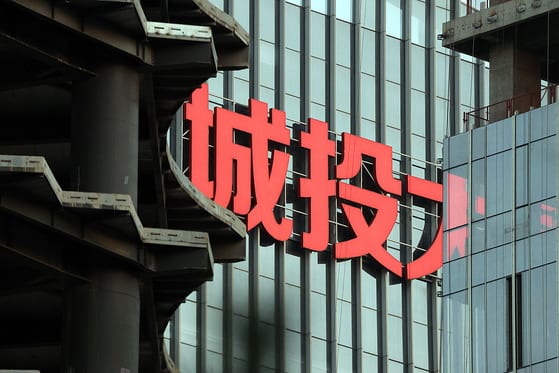
The stricter bond review standards signal a move by Chinese authorities to curb financial risks associated with local government debt, potentially impacting infrastructure financing and economic growth at the local level.
China's local government financing vehicles (LGFVs) are facing increased pressure and a wave of consolidation as the country's stock exchanges have introduced stricter financial requirements for bond issuance. The Shanghai and Shenzhen stock exchanges updated their bond review standards in late April 2026, adding a "three red lines" policy for these financing platforms.
Under the new regulations, issuers must demonstrate an average return on assets exceeding 1%, report positive net cash flow from operating activities in their latest full fiscal year, and refrain from undertaking major asset restructurings within the 12 months preceding a bond application. Industry insiders report a marked slowdown in bond approvals and issuance for district- and county-level government-backed platforms since these rules became effective.
Data from Financial China Information & Technology Co. Ltd. indicates that only 11 such issuers secured bond approvals in the approximately two months following April 30. This tightening of credit access is forcing LGFVs to rely more heavily on bank loans.