Key facts
- South Korean e-commerce platforms are partnering with Chinese platforms to facilitate international sales for domestic brands.
- 11street has launched a store on JD Worldwide, showcasing around 350 Korean brands.
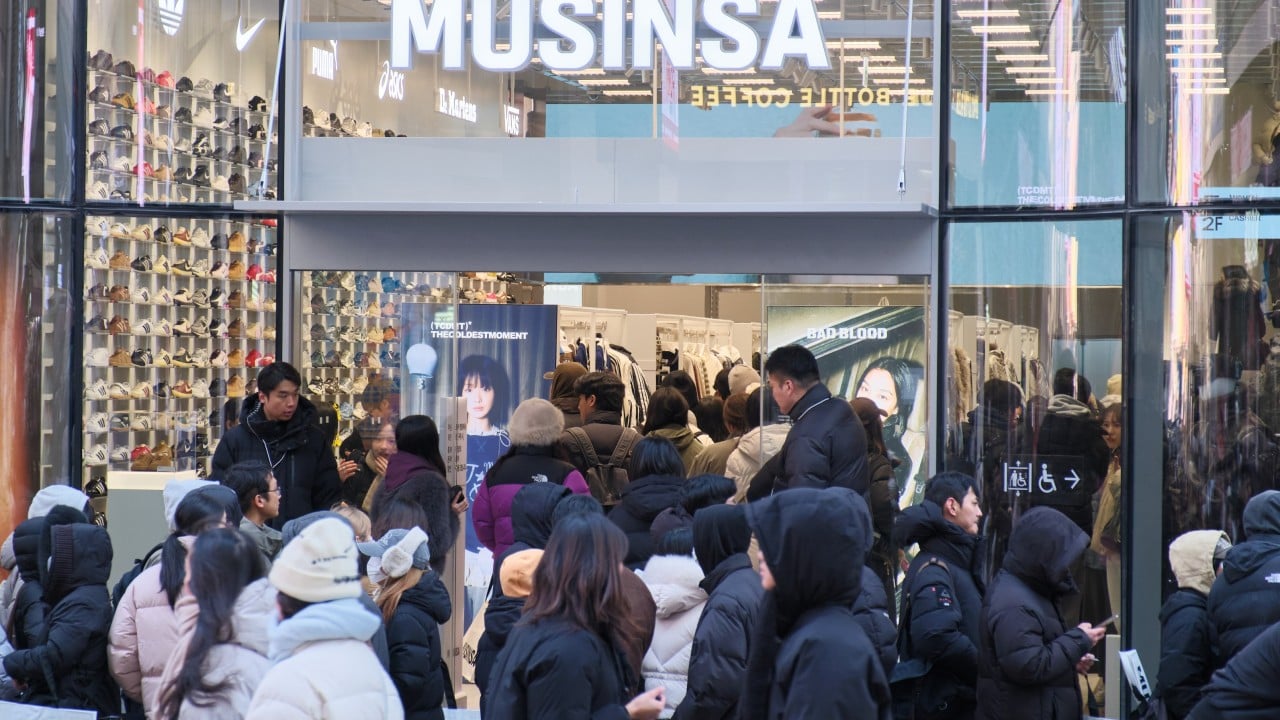
- Musinsa has collaborated with Tmall Global to reach Chinese consumers with Korean fashion.
- China is the largest market for South Korea's cross-border online sales.
- South Korea's online direct overseas sales exceeded 1 trillion won in the first quarter.
South Korean e-commerce companies are increasingly leveraging Chinese platforms to expand the global reach of domestic brands, offering a cost-effective entry into international markets, particularly China.
11street, a major South Korean online marketplace, has established a presence on JD Worldwide, JD.com's cross-border e-commerce platform. This storefront features approximately 350 Korean brands, focusing on beauty products, processed foods, fashion, and health supplements. The platform acts as an intermediary, managing logistics and marketing, allowing sellers to focus on product registration.
Shin Hyun-ho, executive director of corporate strategy at 11street, expressed hope that the initiative will stimulate e-commerce between Korea and China. Similarly, Musinsa, South Korea's leading fashion platform, announced a partnership with Tmall Global on June 8 to connect Korean fashion brands with Chinese consumers.
These developments coincide with the growing popularity of Korean products in China, which constitutes a significant portion of South Korea's cross-border e-commerce market. In the first quarter, South Korea's online direct overseas sales reached 1.06 trillion won, surpassing the 1 trillion won mark for the first time in approximately four and a half years. China was the largest market, accounting for 376.3 billion won of these sales.