Key facts
- Japanese and South Korean MLCC makers are prioritizing high-end components for AI servers.
- This shift allows Chinese MLCC firms to gain share in lower-end market segments.
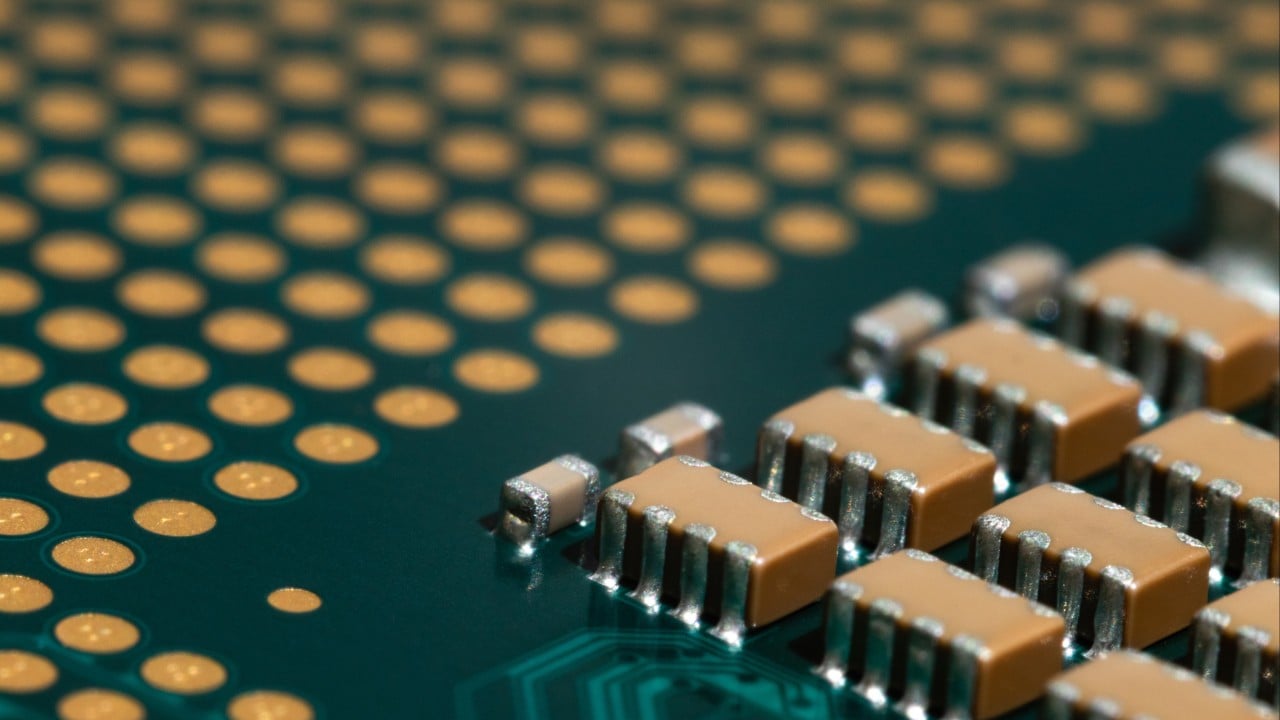
- MLCCs are crucial electronic components used in a wide range of devices, including AI servers.
- Demand for AI server MLCCs is rapidly expanding, driven by increased power consumption and chip complexity.
- High-end MLCC suppliers expect price increases and capacity expansion starting in 2026.
Leading Japanese and South Korean manufacturers of multilayer ceramic capacitors (MLCCs) are increasingly focusing on high-end components for AI servers, a strategic move that is creating an opening for Chinese competitors to expand their market share in lower-end segments. MLCCs, essential for regulating electrical currents in electronic devices, are experiencing a surge in demand driven by the significant power consumption and complex chip requirements of AI servers.
This trend, described by Goldman Sachs as potentially the "largest and longest cycle in history," is expected to lead to capacity expansions and price increases for high-end MLCCs. Kazunori Ito, director of equity research at Morningstar, noted that the demand for MLCCs combining miniaturization, high capacitance, thermal resistance, and long-term reliability is driving this upmarket shift. He anticipates that price erosion, typically seen in competitive markets, will be significantly muted this year, with high-end suppliers already announcing price hikes from 2026 onwards.
According to Citrini Research, the market for MLCCs used in AI servers was valued at approximately US$1.3 billion in 2025, a fraction of the total global MLCC market estimated at around US$15 billion. However, this segment is experiencing rapid growth, with AI server MLCC demand projected to increase by about 80%. This burgeoning demand, coupled with the strategic focus of major players on premium applications, provides a clear opportunity for Chinese MLCC manufacturers to increase their presence and market share in the broader electronics components industry.