Key facts
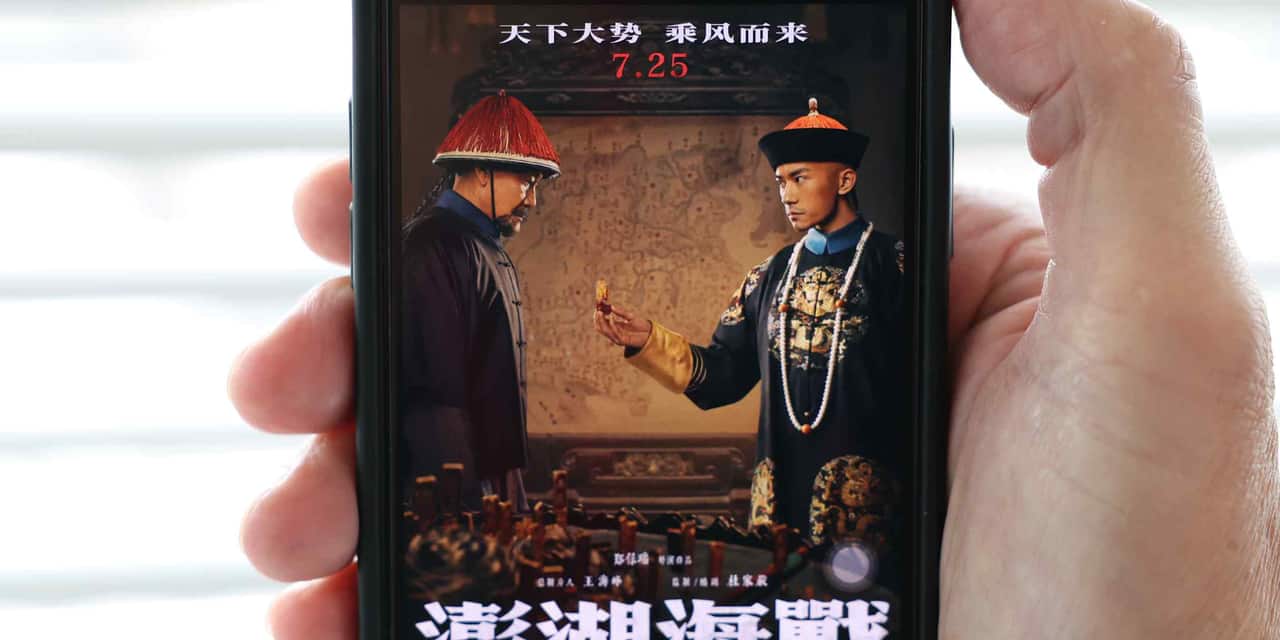
- A Chinese film titled 'The Battle of Penghu,' intended to promote Taiwan's unification with mainland China, has been shelved.
- The film depicts the 1683 Qing dynasty's conquest of Taiwan from a Ming loyalist regime.
- The release was planned for July 25, coinciding with the anniversary of the First Sino-Japanese War.
- Han Chinese nationalist groups objected to the film's historical framing, which they saw as glorifying Manchu rule over Han Chinese.
- Chinese authorities have taken steps to control the narrative, including censoring social media and blocking film reviews.
- The film was a key project of the National Film Administration and promoted by state media.
A Chinese film, 'The Battle of Penghu,' intended to bolster Beijing's narrative of Taiwan unification, has been shelved before its planned July 25 release. The historical epic dramatizes the 1683 conquest of Taiwan by the Qing navy under Admiral Shi Lang, defeating the Ming loyalist regime. The film's release date was strategically chosen to coincide with the anniversary of the First Sino-Japanese War, during which Taiwan was ceded to Japan.
However, the film has become embroiled in controversy due to its historical framing. Han Chinese nationalist factions, who revere the Ming dynasty as China's last Han Chinese dynasty, have strongly objected to the film. They argue that it glorifies the Manchu-founded Qing dynasty's subjugation of a Han Chinese regime, which they do not recognize as legitimate Chinese history. This perspective clashes with the Chinese authorities' promotion of a unified, multi-ethnic national history.
In response to the backlash, Chinese authorities have reportedly censored social media discussions, blocked user ratings and comments on film review sites like Douban, and halted updates on the film's official Weibo account. Despite ticketing platforms still listing a July 25 release, theater officials expressed uncertainty about whether the film would actually screen, with many anticipating it would not be shown.
The film was a key project of the National Film Administration, part of the Chinese Communist Party's Central Propaganda Department, with co-production support from local governments. State media had actively promoted the film, emphasizing the slogan that "Taiwan reunification is an unstoppable trend." However, the internal ideological conflict sparked by the film has complicated calculations for Chinese authorities, who aim for cultural works to unify ideology rather than create new disputes.