Key facts
- Bangladesh has mandated the use of a unified "Bangla QR" code for all digital payments at merchant points.
- The deadline for replacing existing proprietary QR codes with Bangla QR is June 30, 2026.
- The standardized QR system will become mandatory nationwide from July 1, 2026.
- This initiative aims to formalize the economy, boost financial inclusion, and reduce cash dependence.
- Non-compliance with the directive can lead to legal action, including fines and imprisonment.
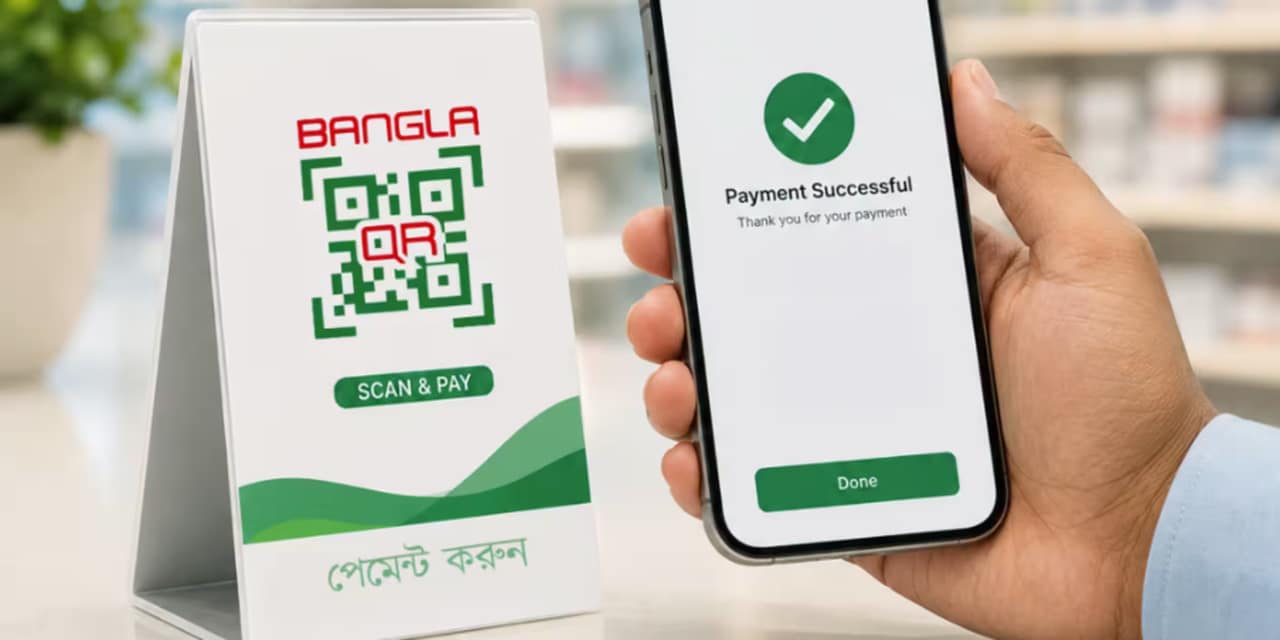
Bangladesh is implementing a nationwide, interoperable QR payment system called "Bangla QR" to reduce its reliance on cash and formalize its economy. The central bank, Bangladesh Bank, has made it mandatory for all scheduled banks, mobile financial service providers, payment service providers, and payment system operators to replace their existing proprietary QR codes with the unified Bangla QR system by June 30, 2026. The new system will become mandatory for all merchant points from July 1, 2026.
This initiative aims to create a more integrated, secure, cost-effective, and inclusive digital payment ecosystem. Merchants, including shops, restaurants, and online stores, must visibly display the Bangla QR code for customer payments. The QR code is strictly for receiving payments, and any misuse, such as for cash withdrawals, will result in its cancellation. The move is part of a broader strategy to increase digital transactions, with a target of making 75% of transactions cashless by 2027.
Violations of the directive will be subject to legal action under the Payment and Settlement Systems Act, 2024, with potential fines of up to Tk 3 million or imprisonment for up to three years. Industry stakeholders have largely welcomed the initiative, citing its potential to boost trust and adoption of digital payments, though concerns remain about the readiness and effective implementation by all institutions within the given timeframe. bKash has confirmed its full compliance and ongoing efforts to replace QR codes nationwide.