Key facts
- A study analyzed 89 ancient skeletal individuals from 23 archaeological sites in China's Ningxia region.
- Genomic data from 69 individuals spanning over 4,000 years revealed a fusion of Eastern and Western genes.
- Han Chinese genes, primarily from males, entered Ningxia around 127 BC during the Han dynasty.
- The research indicates that human genes fused through conflict and commerce in Ningxia.
- A separate study on Yunnan genomes identified a distinct ancient Asian ancestry, Xingyi ancestry.
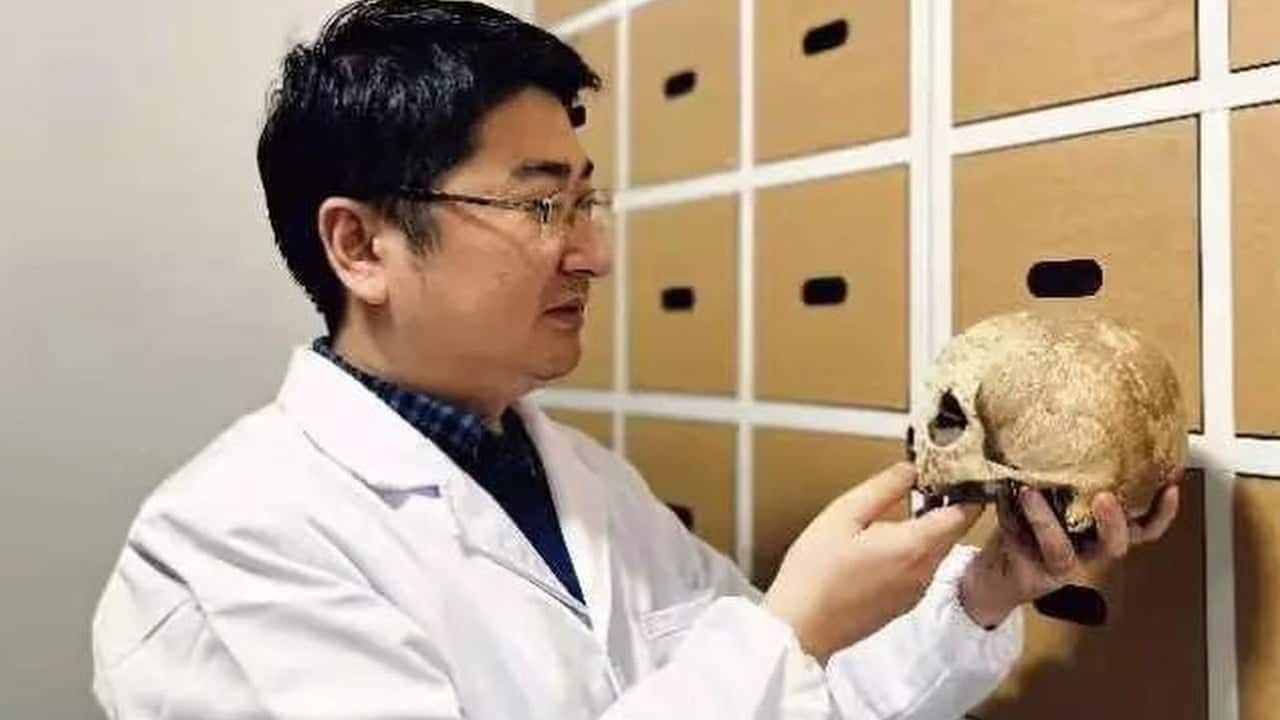
A comprehensive ancient genomics study in China's Ningxia region has revealed a significant 4,000-year intermingling of Eastern and Western genetic lineages. Researchers from Fudan University, in collaboration with local institutions, analyzed 89 ancient skeletal remains, yielding 69 high-quality genomic data sets. The findings indicate that this region, situated at the crossroads of Eurasian steppes and Chinese farmlands, served as a conduit for genetic exchange through both conflict and trade.
Large-scale entry of Han Chinese genes, predominantly male, into Ningxia began around 127 BC during the Han dynasty. Genetic analysis of 22 Han dynasty skeletons showed a strong similarity to populations from the Yellow River basin. This genetic fusion highlights the dynamic history of human migration and interaction in this pivotal area of China.
Separately, a study published in Science analyzed 127 ancient humans from Yunnan, China, dating from 7,100 to 1,400 years ago. This research shed light on the origins of East Asian populations, identifying a previously unrecognized Asian ancestry, termed Xingyi ancestry, in a 7,100-year-old individual. This ancestry shared characteristics with populations indigenous to the Qinghai-Tibet Plateau and diverged from other East Asian groups at least 19,000 years ago. The Yunnan individuals also showed a genetic relationship to Austroasiatic speakers found across Southeast Asia and parts of South Asia and southern China.