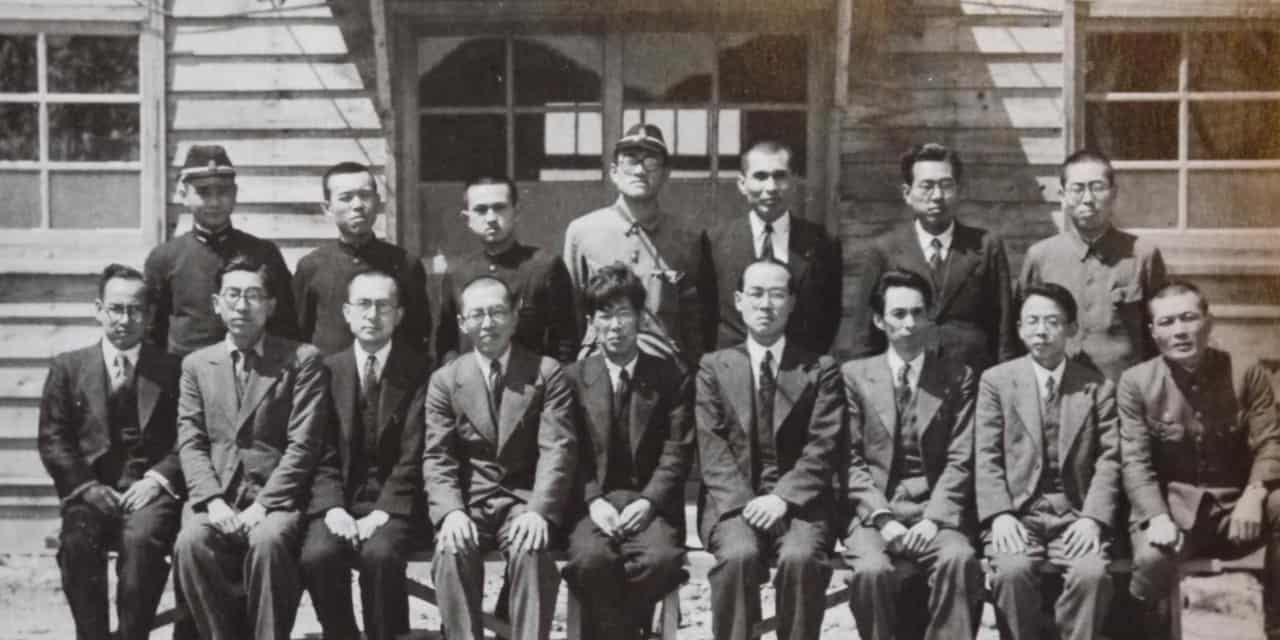
Key facts
- Future Nobel laureates Hideki Yukawa and Sin-Itiro Tomonaga worked on research for the Imperial Japanese Navy.
- Their work occurred during World War II.
- The research involved theoretical physics relevant to naval needs.
- Their contributions were not directly focused on weapon development.
- The collaboration highlights the relationship between scientific advancement and military applications.
The wartime research activities of future Nobel laureates Hideki Yukawa and Sin-Itiro Tomonaga reveal a complex interplay between scientific advancement and military objectives during World War II. Both physicists, who would later be recognized for their groundbreaking work in particle physics, engaged in research that supported the Imperial Japanese Navy. While their contributions were not directly tied to the development of specific weapons, their theoretical physics work was deemed relevant to naval applications.
This period highlights a significant aspect of scientific history: the deep entanglement of academic research with national defense during wartime. The Imperial Japanese Navy sought to leverage the intellectual capabilities of leading scientists like Yukawa and Tomonaga to bolster its technological and strategic standing. The nature of their specific projects remains somewhat obscure, but the involvement of such prominent figures points to the broader mobilization of scientific talent for military purposes.