All NewsEducationTV
Equities & FundsCrypto & Digital AssetsAI & TechnologyBusiness & CorporateUS Politics & PolicyGeopolitics & Global RiskMacro, Rates & FXCommodities & EnergyEuropean Politics & MarketsAsia-PacificReal Estate & Property
Story archiveAll categories
← All Stories

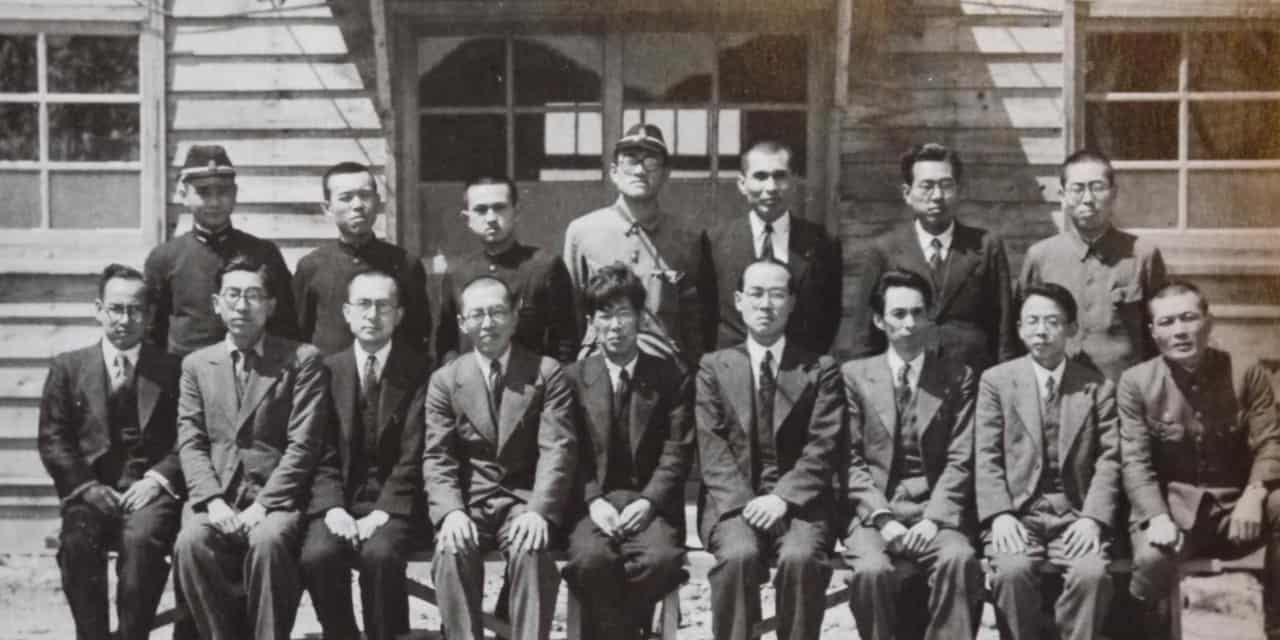
WWII work of Japan's future Nobelists shows complex relationship with military

Created at 14 Aug · 10:11 PM1 source↑ Market-relevant
IN SHORT

Future Nobel laureates Hideki Yukawa and Sin-Itiro Tomonaga worked on research for the Imperial Japanese Navy during World War II, highlighting the complex relationship between scientific advancement and military applications.

✉Newsletter

PiQ Daily

Pick your topics. Get only what matters, on your cadence.

Key Numbers

1939-1945Japan's participation in World War II
1941Japan attacked US and British positions
August 6 and 9, 1945Atomic bombings of Hiroshima and Nagasaki
August 8, 1945Soviet Union declared war on Japan
August 15, 1945Japan's surrender
1937-1945Second Sino-Japanese War

Who's Involved

Hideki Yukawa
Future Nobel Prize-winning scientist who worked for the Imperial Japanese Navy
Sin-Itiro Tomonaga
Future Nobel Prize-winning scientist who worked for the Imperial Japanese Navy
Ernest O. Lawrence
Inventor of the cyclotron and key figure in the atomic bomb project
Vannevar Bush
Leader involved in mustering scientific resources for the war effort
James Conant
Leader involved in mustering scientific resources for the war effort
WWII work of Japan's future Nobelists shows complex relationship with military

↳ Why This Matters

The historical involvement of future Nobel laureates in military research during World War II serves as a reminder of the enduring and often complex interplay between scientific advancement and national defense, prompting reflection on the ethical considerations of such collaborations.

Key facts

  • Future Nobel laureates Hideki Yukawa and Sin-Itiro Tomonaga conducted research for the Imperial Japanese Navy during World War II.
  • This historical context highlights the intricate connection between scientific progress and military objectives.
  • Japan was a member of the Axis powers during World War II, engaging in extensive military campaigns.
  • The development of the atomic bomb involved prominent scientists like Ernest O. Lawrence, driven by wartime urgency.
  • The war concluded with Japan's surrender after the atomic bombings of Hiroshima and Nagasaki.

The work of future Nobel laureates Hideki Yukawa and Sin-Itiro Tomonaga for the Imperial Japanese Navy during World War II offers insights into the complex relationship between scientific research and military applications. This historical period saw Japan, as a member of the Axis powers, engaged in extensive military campaigns and geopolitical maneuvers across the Asia-Pacific region from 1939 to 1945.

Japan's involvement in World War II included aggressive military actions and imperialist policies, escalating with the Second Sino-Japanese War and culminating in attacks on Allied positions in 1941. The war concluded with Japan's surrender on August 15, 1945, following the atomic bombings of Hiroshima and Nagasaki and the Soviet Union's declaration of war.

Concurrently, the development of the atomic bomb in the United States involved scientists like Ernest O. Lawrence, who spearheaded large-scale scientific initiatives. Physicists involved in the Manhattan Project felt a sense of urgency to develop the bomb, recognizing its potential to play a decisive role in the war. This era underscores the profound influence of wartime necessity on scientific progress and its ethical implications.

Frequently asked questions

Hideki Yukawa and Sin-Itiro Tomonaga, both future Nobel Prize winners, conducted research for the Imperial Japanese Navy during World War II.

Their involvement highlights the complex and often intertwined relationship between scientific research and military objectives, a theme relevant even in contemporary discussions about basic science.

Japan participated in World War II from 1939 to 1945 as a member of the Axis powers.

Japan surrendered on August 15, 1945, following the atomic bombings of Hiroshima and Nagasaki on August 6 and 9, and the Soviet Union's declaration of war and invasion of Manchuria on August 8.

What Happens Next

01Further examination of the specific research conducted by Yukawa and Tomonaga for the Imperial Japanese Navy.
02Analysis of the long-term implications of wartime scientific mobilization on post-war scientific development.

Get the newsletter.

Pick the topics you actually care about. We'll email when there's news worth your time, on the cadence you choose. Cancel any time from your account.

Cadence

How It Developed

Future Nobel laureates Hideki Yukawa and Sin-Itiro Tomonaga worked on research for the Imperial Japanese Navy during World War II.
This work illustrates the complex relationship between scientific endeavors and military applications.
Japan participated in World War II as an Axis member from 1939 to 1945.
The war involved significant military campaigns and geopolitical maneuvers across the Asia-Pacific region.
Japan's imperialist policies and aggressive military actions included invasions and occupations.
The Pacific War intensified Japan's engagements with Allied forces.
Japan attacked multiple American and British positions in the Pacific in 1941.
The war concluded with Japan's surrender on August 15, 1945, following atomic bombings and the Soviet Union's declaration of war.

Sources

T1
WWII work of Japan's future Nobelists shows complex relationship with militaryNikkei Asia
T2
Japan during World War II - Wikipediaen.wikipedia.org
T2
Japanese militarism - Wikipediaen.wikipedia.org
T2
How Dropping the A-Bomb on Japan initiated the Military-Industrial Complexjuancole.com

Related Stories

Scientists aim to probe early universe using lunar far side
14 Aug · 3:16 PM
AI aids in deciphering ancient Chinese literature
14 Aug · 4:06 AM
US and Japanese VCs launch fund for AI, space startups
14 Aug · 5:06 PM
China team boosts atom entanglement distance record fourfold
14 Aug · 11:06 AM
Rocket Lab unveils portable spaceport; Blue Origin plans dual launch pads
14 Aug · 11:06 AM