Key facts
- Rocket Lab is developing a portable spaceport system named GHOST.
- GHOST aims to provide flexible, anytime launch capabilities for Electron and HASTE rockets.
- Rocket Lab also plans to launch from Alaska's Pacific Spaceport Complex.
- ArianeGroup will not dissolve its subsidiary MaiaSpace, which is preparing for its first flight.
- Firefly Aerospace is increasing production of its Alpha rocket due to strong demand.
- Virgin Galactic is preparing to name its first Delta-class spaceship, targeting February 2027 for commercial service.
- Rocket Factory Augsburg (RFA) faced a delay in its RFA One rocket's debut launch due to tank testing issues.
- China's Long March 7A rocket exploded during its ascent on Monday.
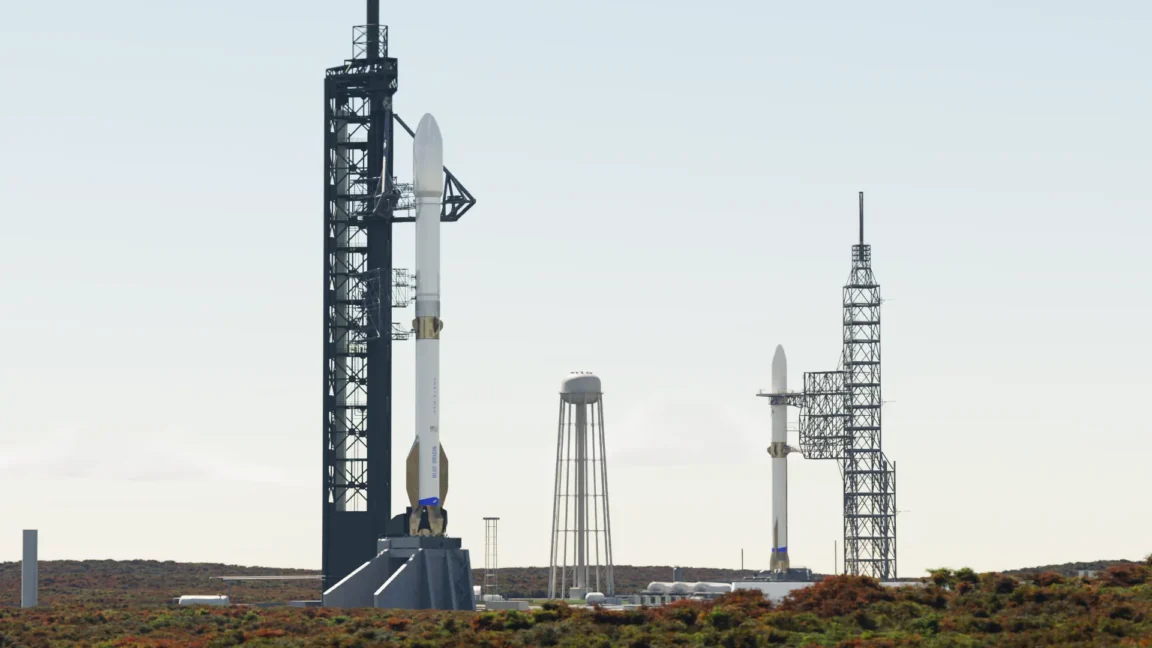
Rocket Lab is enhancing its launch flexibility with a new portable spaceport system called GHOST, designed to enable anytime, anywhere launches for its Electron and HASTE rockets. This development, alongside plans to launch from Alaska's Pacific Spaceport Complex, expands the company's operational footprint. Meanwhile, Blue Origin is advancing its strategy with plans for two launch pads at Launch Complex 36.
In other space industry news, ArianeGroup has opted to continue supporting its subsidiary MaiaSpace, despite a significant financial loss, allowing MaiaSpace to proceed with preparations for its inaugural flight. Firefly Aerospace is boosting production of its Alpha rocket due to high demand and a constrained launch capacity market. Virgin Galactic is nearing the naming and christening of its first Delta-class spaceship, with commercial service anticipated in February 2027.
Rocket Factory Augsburg (RFA) encountered a delay for its RFA One rocket's debut launch due to issues with tank testing, though the company remains optimistic about launching later this year. Separately, China's Long March 7A rocket experienced an in-flight explosion shortly after liftoff, with the payload believed to be a military communications satellite.