Key facts
- The Western launch market is facing a crunch in rocket availability.
- High demand for satellite deployments is a key driver of the crunch.
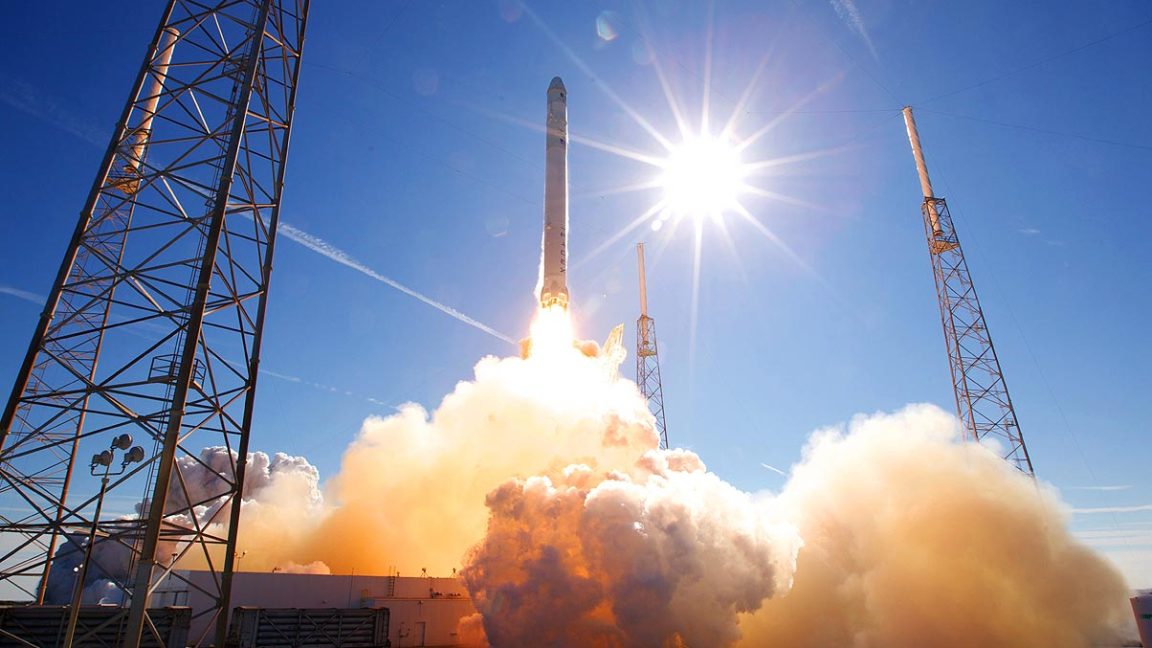
- SpaceX plans to phase out its Falcon 9 rocket.
- Concerns exist that SpaceX will prioritize its own ventures over commercial clients.
- This situation may limit rocket availability for external customers.
- The Falcon 9 has been a significant launch vehicle for commercial and government entities.
- SpaceX's evolution towards Starship is a factor in the Falcon 9 phase-out.
- The market's dependence on a few key players is highlighted by this situation.
The Western launch market is currently experiencing a substantial crunch in rocket availability. This scarcity is primarily attributed to a surge in demand for satellite deployments, coupled with SpaceX's strategic decision to phase out its highly utilized Falcon 9 rocket. Industry observers and commercial clients are expressing growing apprehension that SpaceX might begin to prioritize its own internal and profitable ventures, such as its Starlink satellite constellation, over fulfilling contracts with external commercial customers. This potential shift in focus could severely limit the availability of launch services for companies reliant on SpaceX's capabilities. The Falcon 9 has been a cornerstone of the Western launch market for years, facilitating a significant number of satellite deployments for various commercial and government entities. Its planned phase-out, while part of SpaceX's evolution towards newer technologies like Starship, creates a void that current market capacity may struggle to fill. The implications for the broader space industry are considerable, potentially affecting the pace of satellite constellation deployment, scientific missions, and other space-based services that depend on reliable and accessible launch vehicles. Companies that have come to depend on the Falcon 9's consistent performance and relatively lower cost may need to seek alternative launch providers, which are currently limited or may have longer lead times and higher prices. The situation highlights the market's dependence on a few key players and the challenges of scaling launch capacity to meet rapidly increasing demand.