All NewsEducationTV
Equities & FundsCrypto & Digital AssetsAI & TechnologyBusiness & CorporateUS Politics & PolicyGeopolitics & Global RiskMacro, Rates & FXCommodities & EnergyEuropean Politics & MarketsAsia-PacificReal Estate & Property
Story archiveAll categories
← All Stories

Western launch market faces crunch as SpaceX winds down Falcon 9

Created at 17 Aug · 11:06 AM1 source↑ Market-relevant
IN SHORT

The Western launch market is experiencing a significant crunch in rocket availability, driven by surging demand for satellite deployments and SpaceX's planned phase-out of its workhorse Falcon 9 rocket. Concerns are growing that SpaceX will prioritize its own profitable ventures over commercial clients.

✉Newsletter

PiQ Daily

Pick your topics. Get only what matters, on your cadence.

Key Numbers

270average orbital rockets launched annually over last three years
three-foldincrease in launches from a decade ago
11Falcon 9 launches booked by Telesat
37,000satellites to be launched between 2023 and 2033
$4.3 billionStarlink revenue in Q2 2026
$7.8 billiontotal SpaceX revenue in Q2 2026
12 percentSpaceX revenue from space services in Q2 2026
165Falcon 9 flights in 2023
20fewer missions expected for Falcon 9 this year
2028year after which commercial launches may end
2030 or 2032potential end of Falcon 9 operational lifetime
31Falcon rocket flights in 2021
91Falcon rocket flights in 2023

Who's Involved

Caleb Henry
Director of Research at Quilty Space, observing industry trends
SpaceX
Company responsible for Falcon 9 and Starship rockets
Telesat
Canadian satellite company seeking launch capacity
Amazon
Company with LEO constellation facing launch constraints
AST SpaceMobile
Company citing launch availability as a deployment bottleneck
Gwynne Shotwell
Previous president of SpaceX, commenting on Falcon 9's lifespan
OneWeb
Satellite company that turned to SpaceX after losing Soyuz launches
Arianespace
European provider transitioning from Ariane 5 to Ariane 6
United Launch Alliance
Provider transitioning from Atlas V to Vulcan rocket
Japan
Nation with H3 rocket facing commercial challenges
India
Nation with LVM3 rocket having limited commercial success
Western launch market faces crunch as SpaceX winds down Falcon 9

↳ Why This Matters

The launch crunch threatens the deployment schedules of numerous satellite constellations, potentially impacting telecommunications, internet services, and other space-based applications. It highlights the critical reliance on SpaceX and raises concerns about future access to space for commercial entities.

Key facts

  • The Western launch market is facing a significant crunch in rocket availability.
  • Demand for satellite launches is increasing due to a growing number of constellations.
  • SpaceX intends to phase out its Falcon 9 rocket operations in favor of the larger Starship.
  • SpaceX's financial priorities appear to be shifting towards its own satellite services like Starlink.
  • The war in Ukraine removed Russian rockets from the Western launch market, increasing reliance on SpaceX.
  • New rocket programs from European and US providers have faced delays.

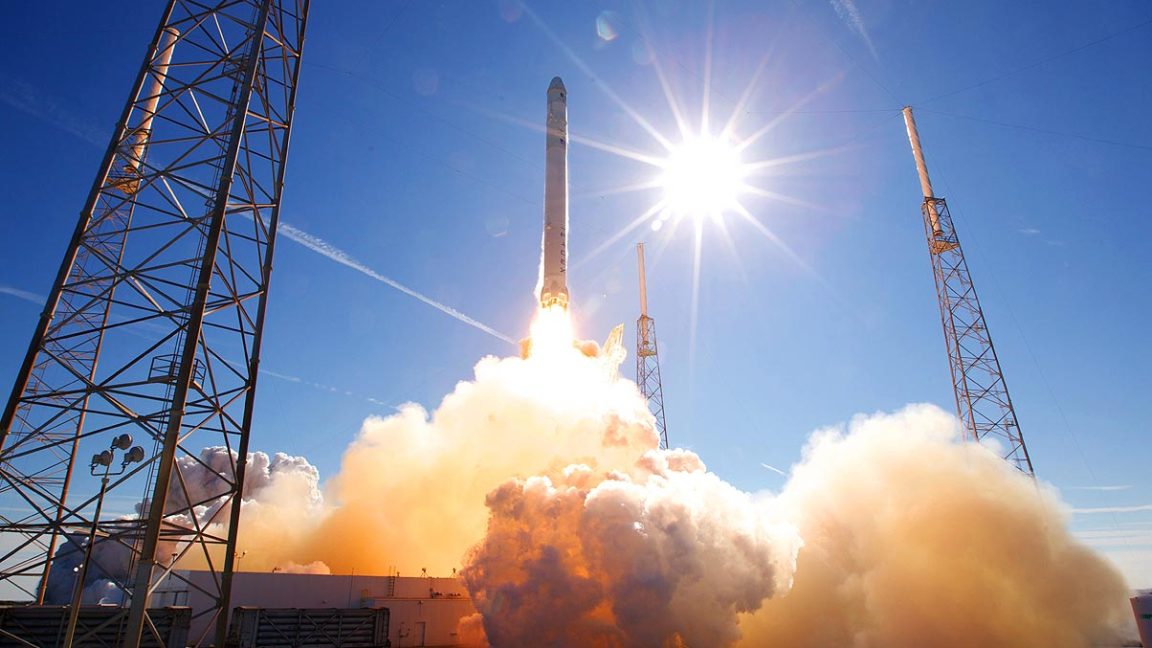
The Western launch market is experiencing a significant crunch in rocket availability, a situation expected to worsen over the next two to four years. Despite a dramatic increase in launch frequency and competitiveness, demand from a growing number of satellite constellations is outstripping supply. This crunch is exacerbated by SpaceX's planned phase-out of its highly reliable Falcon 9 rocket, which has been crucial for the Western market, particularly after the war in Ukraine removed Russian launch capabilities.

SpaceX's shift in focus towards its Starship rocket and its own profitable satellite ventures, such as Starlink, is a primary driver of the current launch crunch. Financial documents reveal that SpaceX views commercial launch services as a minor revenue stream compared to its satellite businesses. The company has already reduced Falcon 9 operations and is reportedly signaling an end to commercial launches after 2028, though it may continue some federally contracted missions. This uncertainty is forcing commercial satellite operators to re-evaluate their deployment strategies.

The absence of Russian rockets like Soyuz and Proton due to the war in Ukraine further intensified the demand on Western launch providers. Compounding this, European and US companies like Arianespace and United Launch Alliance faced delays in bringing their next-generation rockets, Ariane 6 and Vulcan, online. Japan's H3 and India's LVM3 rockets have also not yet achieved significant commercial traction. In this landscape, SpaceX's reusable Falcon 9 has become the indispensable workhorse for the Western hemisphere's launch needs, flying an increasing number of missions annually.

Frequently asked questions

The crunch is driven by a surge in demand for satellite launches from numerous constellations, coupled with SpaceX's planned reduction in Falcon 9 flights and the removal of Russian rockets from the Western market.

SpaceX's Falcon 9 rocket has been the primary workhorse for the Western launch market. However, the company is prioritizing its Starship rocket and its own satellite services, signaling an end to commercial Falcon 9 launches after 2028.

The war led to the removal of Russian rockets from the Western market, increasing reliance on SpaceX and other providers, at a time when new European and US rockets were facing delays.

What Happens Next

01SpaceX is expected to continue phasing out Falcon 9 operations.
02Commercial satellite operators will seek alternative launch solutions.
03The development and readiness of new launch vehicles will be closely watched.

Get the newsletter.

Pick the topics you actually care about. We'll email when there's news worth your time, on the cadence you choose. Cancel any time from your account.

Cadence

How It Developed

The Western launch market faces a growing crunch in launch availability.
Demand for satellite launches is surging due to numerous constellations.
SpaceX plans to wind down Falcon 9 operations in favor of Starship.
SpaceX's financial documents indicate a focus on its own satellite revenues over commercial launch services.
SpaceX has reduced Falcon 9 operations and is making ground system changes.
Commercial satellite operators are encountering difficulties booking launches after 2028.
SpaceX has reportedly informed the US government of its intent to end commercial launches after 2028.
The war in Ukraine removed Russian rockets from the Western market.

Sources

T1
There’s a huge launch crunch right now, and it will probably get worsevar abtest_2166848 = new ABTest(2166848, 'impression');Ars Technica

Related Stories

Archer Aviation acquires Wisk Aero, Joby Aviation buys Resonant Sciences
16 Aug · 4:21 PM
Anthropic CEO says AI backlash is 'fundamentally a crisis of trust'
16 Aug · 5:21 PM
China's 'whole nation' push in physical AI and robotics could spark 'China shock'
17 Aug · 1:26 AM
Trump-backed firm partners with AI venture using Chinese models
17 Aug · 10:06 AM
China Unveils 'Flying Wing' Jet Design for Large Aircraft Program
17 Aug · 6:50 AM