US firms turn to Chinese AI models amid US restrictions | PiQ Markets
3 storiesAI & TechnologyLarge Language Models: GPT-4, Claude, Gemini, Llama, Mistral, GrokChina AI regulation & developmentOpenAI developments & funding
US firms turn to Chinese AI models amid US restrictions
window 24h
IN SHORT
US companies are increasingly turning to Chinese artificial intelligence models, particularly open-source options, due to cost savings and uninterrupted access, especially after US restrictions on American AI models. This trend emerges as Alibaba's open-source AI gains global traction, though monetization remains a challenge for the company. Meanwhile, AI firm Anthropic faced scrutiny after a security researcher revealed a hidden tracker in its Claude Code product that monitored Chinese users, which Anthropic stated was an experiment to prevent account abuse.
✉Newsletter
PiQ Daily
Pick your topics. Get only what matters, on your cadence.
Key Numbers
five yearsAlibaba's revenue goal timeframe
Who's Involved
US companies
increasingly using Chinese AI models
Anthropic
AI firm facing scrutiny over user tracking
Alibaba
company with popular open-source AI models
Claude Code
Anthropic product with a removed tracker
US government
entity imposing restrictions on AI models
security researcher
individual who exposed Anthropic's tracker
1 / 2
Key facts
US companies increased their use of Chinese AI services in June.
US government restrictions impacted access to American AI models like Anthropic's Mythos.
Open-source Chinese AI models offer cost savings and uninterrupted access.
Alibaba's AI models are popular with global developers.
Alibaba faces monetization challenges with its open-source AI.
Alibaba aims for significant AI and cloud revenue within five years.
Anthropic removed a tracker from its Claude Code product.
The tracker in Claude Code secretly monitored Chinese users.
Anthropic stated the tracker was an experiment to prevent account abuse and distillation attacks.
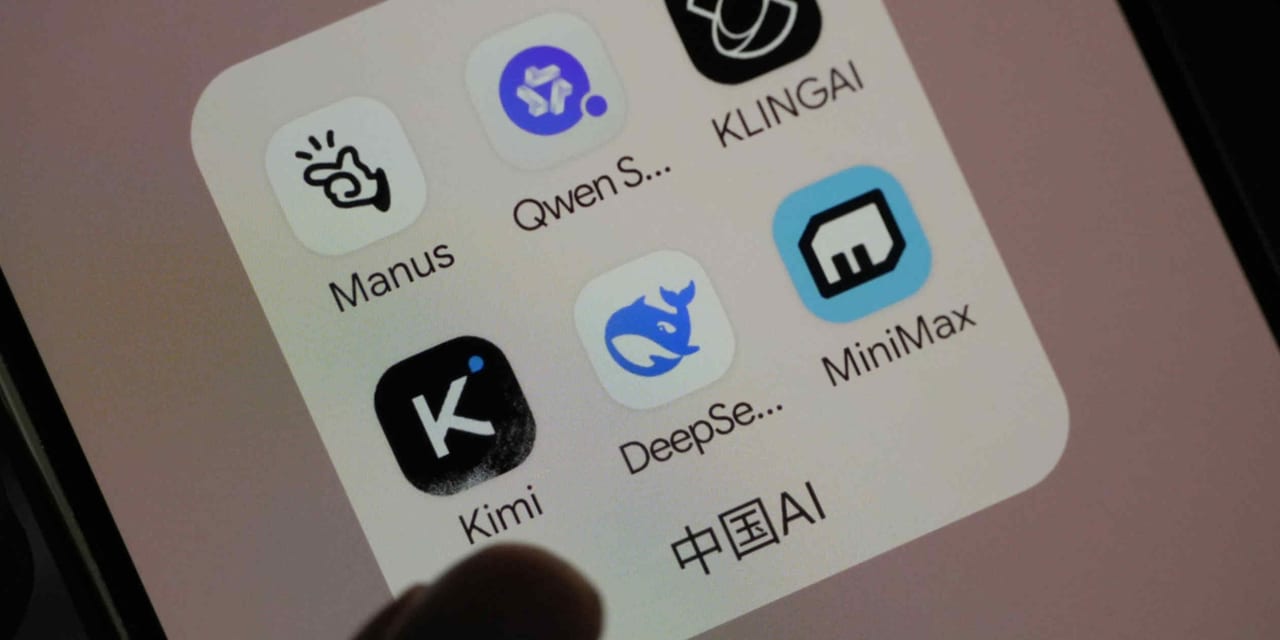
US companies are increasingly adopting Chinese artificial intelligence models, a trend that accelerated in June following US government restrictions on access to leading American AI services. These restrictions, which impacted models like Anthropic's Mythos, have driven US corporations to seek alternatives. Open-source Chinese AI models are proving particularly attractive due to their significant cost savings and the assurance of uninterrupted access, presenting a compelling value proposition for businesses.
Alibaba's artificial intelligence models are experiencing growing popularity among developers worldwide. The open-source nature of these models, while fostering widespread adoption, simultaneously presents a significant challenge for monetization. Alibaba has set an ambitious goal to achieve substantial revenue from its AI and cloud services within the next five years, indicating a strategic focus on leveraging its AI advancements.
In a separate development, AI firm Anthropic has removed a tracker from its Claude Code product following revelations by a security researcher. The hidden code was found to be secretly monitoring Chinese users. Anthropic has since stated that the tracker was part of an experimental measure designed to prevent account abuse and distillation attacks. The company's actions highlight the complex ethical and security considerations in the global AI landscape, particularly concerning user data and privacy.
↳ Why This Matters
US companies are increasingly adopting Chinese artificial intelligence models, a trend that accelerated in June following US government restrictions on access to leading American AI services. These restrictions, which impacted models like Anthropic's Mythos, have driven US corporations to seek alternatives. Open-source Chinese AI models are proving particularly attractive due to their significant cost savings and the assurance of uninterrupted access, presenting a compelling value proposition for businesses.
Frequently asked questions
US companies increased their use of Chinese AI models due to US government restrictions on access to top American models and the lower cost and guaranteed access offered by open-source Chinese alternatives.
The US Department of Commerce placed export controls on Anthropic's Mythos and Fable AI models on June 12, leading to their suspension.
Chinese AI models can cost as little as 5% of the price of Anthropic's Claude Mythos, or about one-twentieth.
An 'open weight' model means users can run it on their own computing power, ensuring uninterrupted access once downloaded, unlike closed models where access can be revoked.
What Happens Next
01International access to Anthropic's Fable model was restored on July 1 with more restrictive guardrails.
02Anthropic's Mythos model is currently only available to American institutions.
03OpenAI has reportedly agreed to U.S. government approval rights over customers for its latest model.
Get the newsletter.
Pick the topics you actually care about. We'll email when there's news worth your time, on the cadence you choose. Cancel any time from your account.