Key facts
- US companies' adoption of Chinese AI services increased significantly in June.
- US government export controls on Anthropic's Mythos and Fable models led to their suspension for non-US persons.
- Open-source Chinese AI models are being adopted by US firms due to lower costs and guaranteed access.
- French President Emmanuel Macron criticized the US action as "nationalist" and warned of consequences for US AI companies.
- Mythos remains restricted to American institutions, while Fable has been restored with new restrictions.
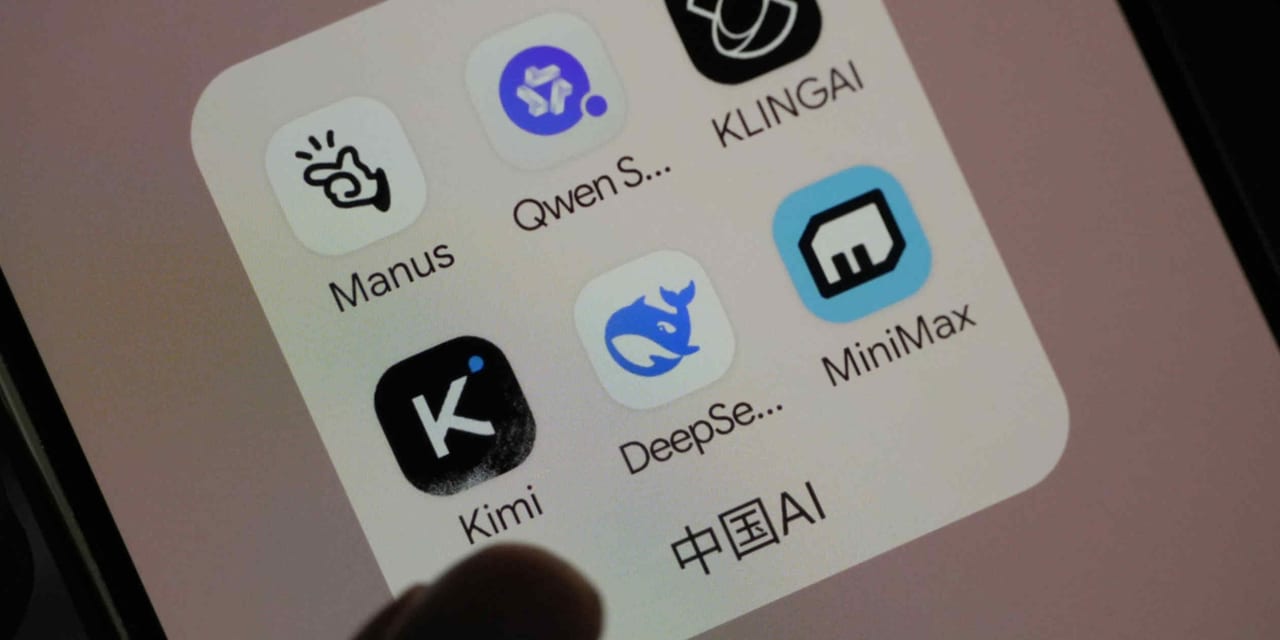
U.S. companies significantly increased their use of Chinese artificial intelligence services in June, a trend driven by U.S. government restrictions on access to leading American AI models and the growing appeal of lower-cost, open-source alternatives from China.
The U.S. Department of Commerce on June 12 imposed export controls on Anthropic's high-end Mythos and Fable models, leading Anthropic to suspend access for non-U.S. persons. Unable to verify user citizenship, the company reportedly took the models offline for all users, including the U.S. National Security Agency.
This move marked a step backward for global access to advanced AI capabilities. French President Emmanuel Macron criticized the U.S. action as "nationalist," warning that such ad hoc controls could undermine trust in American AI companies and their global revenue streams. He noted that international clients are crucial for recouping the substantial costs of training frontier AI models.
While Fable was restored on July 1 with more restrictive guardrails, Mythos remains accessible only to American institutions. This episode, coupled with reports of OpenAI agreeing to U.S. government approval rights over customers for its latest model, highlights a shift towards more controlled access to cutting-edge AI.
The sudden U.S. action is expected to boost the adoption of Chinese AI models, which are often released as "open weight." This means users can run them on their own computing infrastructure, ensuring uninterrupted access once downloaded, a feature that has become a greater selling point following the U.S. restrictions. Chinese firms, however, offer no guarantee of future access and could adopt similar safety concerns.