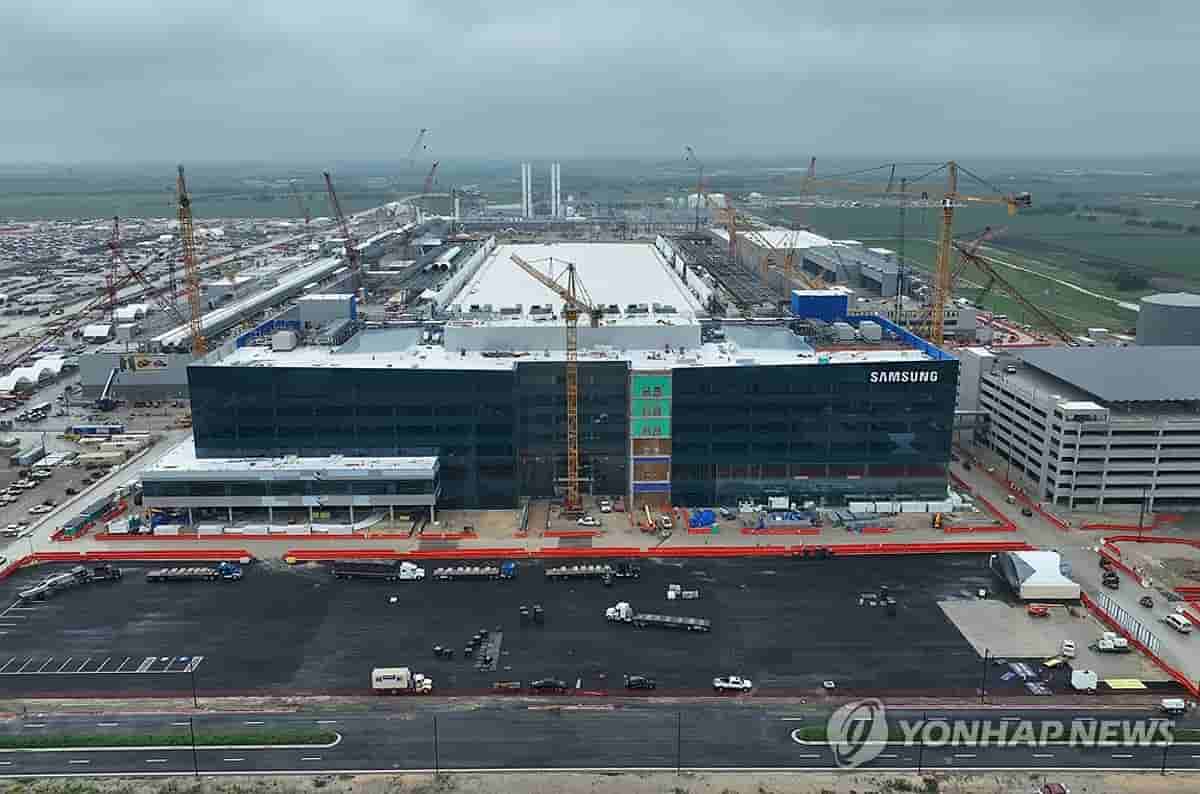
Key facts
- Samsung expects the global chip shortage to last until 2028.
- Record profits for Samsung are driven by AI chip demand.
- Samsung's mobile division is facing losses due to high component costs.
- Samsung plans to start building its second Texas chip plant by the end of 2026.
- Samsung's second Texas chip plant, Taylor Fab 2, is slated for production to begin in 2030.
- Samsung's first Texas plant, Taylor Fab 1, is expected to commence operations in 2026.
- Qualcomm will supply chips for BMW's future vehicle platforms.
- The Qualcomm-BMW deal extends through the next decade.
- Qualcomm's Snapdragon Digital Chassis solutions will be used for BMW's AI-led platforms.
- The chips will be for BMW's digital cockpit and advanced driver-assistance systems.
Samsung Electronics anticipates that the global semiconductor shortage will persist until 2028, a situation largely fueled by the escalating demand for artificial intelligence chips. This demand has propelled Samsung to achieve record profits, with the company securing multi-year supply agreements with data center operators. However, the company's mobile division is currently facing losses attributed to elevated component costs.
In line with its expansion plans, Samsung Electronics intends to commence construction of its second semiconductor fabrication plant in Taylor, Texas, by the close of 2026. This new facility, designated as Taylor Fab 2, is projected to begin production in 2030. Its first plant in the same location, Taylor Fab 1, is scheduled to commence operations in 2026.
Separately, Qualcomm has finalized a long-term agreement to supply chips for BMW's upcoming vehicle platforms. This deal, extending through the next decade, will involve Qualcomm's Snapdragon Digital Chassis solutions serving as the foundational hardware for BMW's artificial intelligence-driven platforms. These chips will be integrated into the digital cockpits and advanced driver-assistance systems of BMW vehicles.