Key facts
- Robot vision systems use advanced AI and 3D sensing.
- These systems enable robots to perceive and adapt to their environment.
- This technology moves robots beyond pre-programmed actions.
- Applications include part location, quality inspection, and adaptive welding.
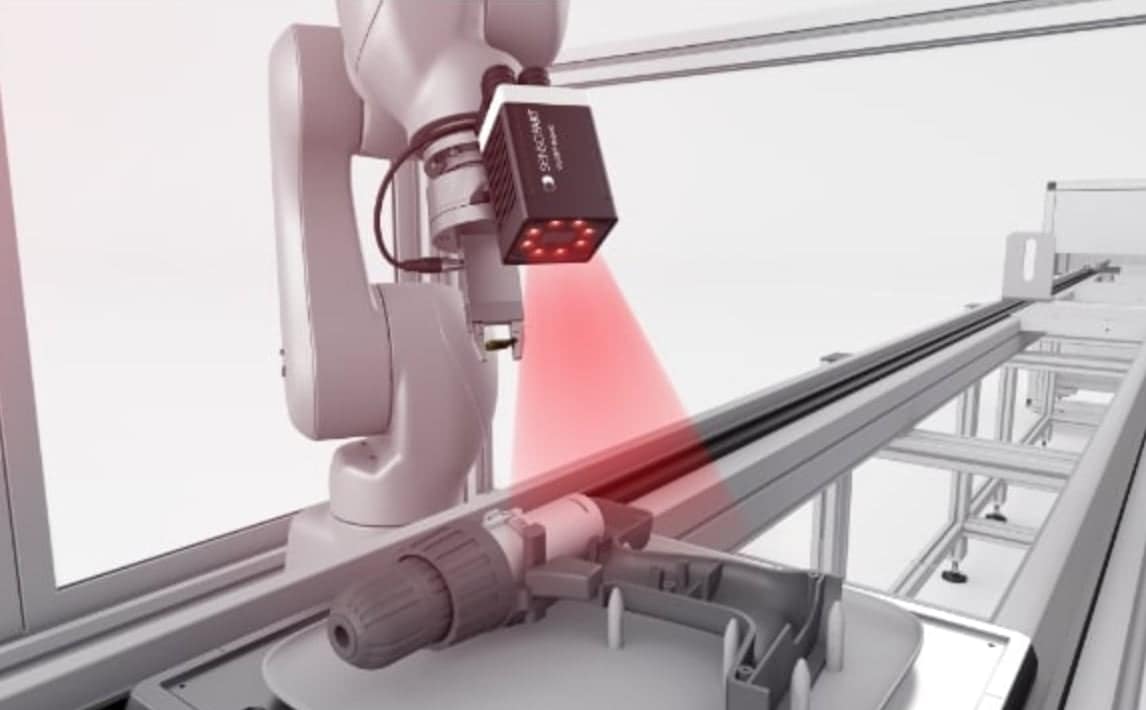
Robot vision systems, powered by advanced artificial intelligence and 3D sensing, are fundamentally changing industrial automation. This technology equips robots with the ability to perceive and dynamically adapt to their operational environments, a significant leap from traditional, pre-programmed robotic actions. The integration of these vision systems is critical for a range of complex industrial tasks. These include accurately locating parts for assembly, performing detailed quality inspections to ensure product standards, and executing adaptive welding processes that can adjust to variations in real-time. By enabling robots to 'see' and interpret their surroundings, these systems unlock new levels of precision, efficiency, and flexibility in manufacturing and other industrial sectors.