All NewsEducationTV
Equities & FundsCrypto & Digital AssetsAI & TechnologyBusiness & CorporateUS Politics & PolicyGeopolitics & Global RiskMacro, Rates & FXCommodities & EnergyEuropean Politics & MarketsAsia-PacificReal Estate & Property
Story archiveAll categories
← All Stories

Robot Vision Systems Enhance Industrial Automation

Created at 17 Aug · 9:06 AM1 source↑ Market-relevant
IN SHORT

Robot vision systems, incorporating advanced AI and 3D sensing, are transforming industrial automation by enabling robots to perceive and adapt to their environment. This technology is crucial for tasks like part location, quality inspection, and adaptive welding, moving robots beyond pre-programmed actions.
✉Newsletter

PiQ Daily

Pick your topics. Get only what matters, on your cadence.

Key Numbers

$4.5 billionglobal market for robotic vision systems in 2025
$13 billionprojected market for robotic vision systems by 2035
40 percentjump in 3D vision patents in 2025

Who's Involved

Inbolt
French startup selling robot vision systems
Stellantis
Automaker with a Detroit plant using Inbolt's systems
Kun Liang
Researcher involved in bioinspired robot eye development
Robot Vision Systems Enhance Industrial Automation

↳ Why This Matters

The integration of advanced vision systems and AI is transforming robots from rigid automatons into more adaptable and intelligent workers, crucial for increasing efficiency and expanding the scope of automation in manufacturing and other industries. Innovations in bioinspired optics also promise to overcome limitations in robot perception, particularly in challenging lighting conditions.

Key facts

  • Robot vision systems enable robots to locate parts, assess quality, and adapt their actions in real-time.
  • The market for robotic vision systems is expected to grow significantly, reaching over $13 billion by 2035.
  • 3D vision technologies provide depth perception, allowing robots to handle more complex tasks like picking randomly oriented objects.
  • AI is enhancing robot capabilities by allowing them to identify previously unknown objects.
  • A new bioinspired robot eye can automatically adjust its pupil size to cope with varying light conditions.
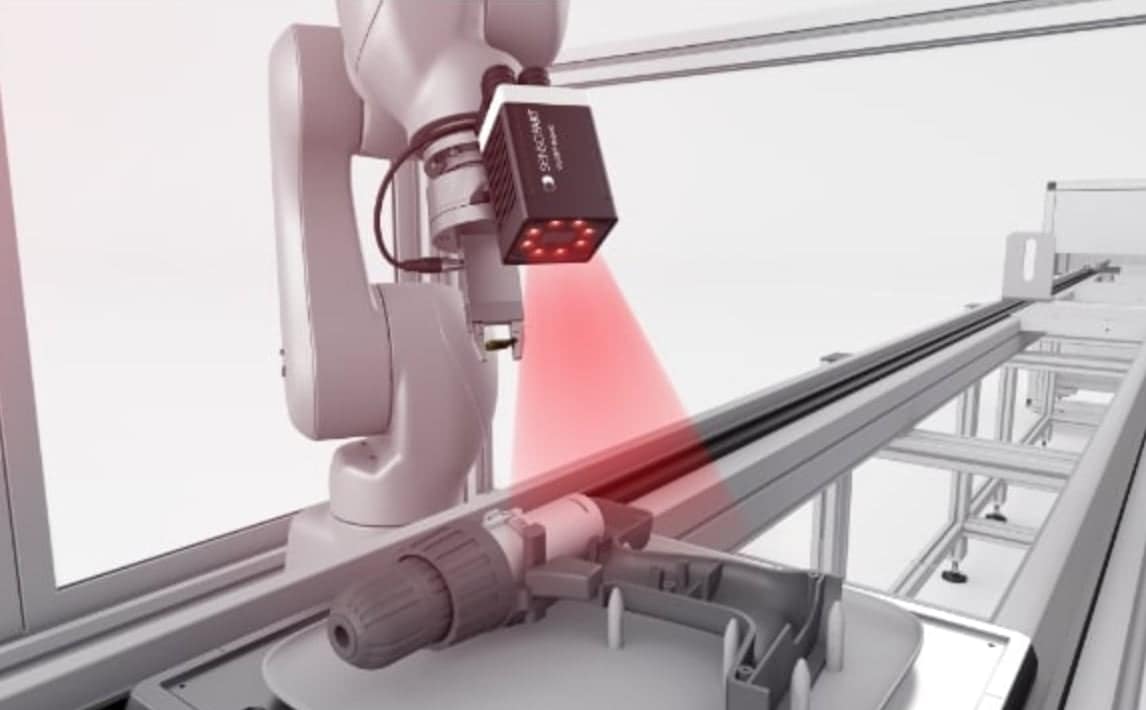
  • Robot vision systems are becoming a standard technology in industrial automation, moving robots beyond simple pre-programmed tasks. These systems, which include cameras and sophisticated software, allow robots to perceive their environment, identify parts, determine their orientation, and inspect quality. This enables robots to adapt their actions in real-time, eliminating the need for precise positioning of parts and reducing reliance on human operators.

    The market for robotic vision systems is experiencing substantial growth, projected to surpass $13 billion by 2035. Advancements in 3D vision, including structured light, time-of-flight, and laser triangulation, provide robots with depth perception, crucial for tasks like picking randomly oriented objects from bins or tracking complex weld seams. Furthermore, artificial intelligence is expanding robot capabilities, allowing them to recognize objects they were not explicitly programmed to find.

    In a parallel development, researchers are creating bioinspired robot eyes that can automatically adjust their pupil size in response to changing light levels. This technology mimics biological eyes, which struggle with dynamic lighting conditions, such as entering a dark tunnel from bright daylight. The system uses a curved imaging array and a liquid metal pupil that expands or retracts to control light intake, improving adaptability in varying environments. This innovation could enhance the performance of robots, self-driving cars, and drones in unpredictable lighting conditions.

    Frequently asked questions

    A blind robot is a machine that can only perform tasks exactly as programmed and requires its environment to remain static. It lacks the ability to perceive or adapt to changes.

    The main 3D vision technologies include structured light, time-of-flight sensors, and laser triangulation, each suited for different applications and environments.

    The bioinspired robot eye uses a liquid metal pupil that expands or retracts based on electrical signals generated by light sensors, mimicking the pupillary light reflex in living eyes.

    What Happens Next

    01Continued growth in the robotic vision systems market is expected.
    02Further research and development in AI and bioinspired optics for robotics are anticipated.

    Get the newsletter.

    Pick the topics you actually care about. We'll email when there's news worth your time, on the cadence you choose. Cancel any time from your account.

    Cadence

    How It Developed

    Robot vision systems allow robots to see, find parts, check quality, and adjust actions without human intervention.
    The global market for robotic vision systems is projected to exceed $13 billion by 2035.
    D vision technology, including structured light, time-of-flight, and laser triangulation, adds depth information for complex tasks.
    AI is enabling robots to recognize objects they were not explicitly programmed to find.
    Researchers have developed a bioinspired robot eye with a liquid-metal pupil that adjusts to changing light conditions.
    This bioinspired eye uses a curved imaging array and a liquid metal system to mimic biological vision and adapt to dynamic lighting.

    Sources

    T1
    How to Make a Robot Better at Its Job? Give It Eyes.The New York Times
    T2
    Bioinspired robot eye adjusts its pupil to handle harsh lightingtechxplore.com
    T2
    How Robotic Vision Systems Give Industrial Robots Better Eyestycherobot.com

    Related Stories

    China's Momenta, Pony.ai expand self-driving efforts in Europe
    17 Aug · 7:05 AM
    China's 'whole nation' push in physical AI and robotics could spark 'China shock'
    17 Aug · 1:26 AM
    Nvidia executive to visit LG Electronics robotics hub
    17 Aug · 7:46 AM
    Rakuten to partner with German AI defense drone startup Helsing
    17 Aug · 2:50 AM
    AI Founders' Sleep Habits: A Four-Day Study
    17 Aug · 8:51 AM