Key facts
- A radiation-blocking vest developed by StemRad was tested on NASA's Artemis I mission.
- The vest was flown to the Moon and back.
- Data from the flight was combined with simulations.
- The vest shows promise for reducing astronaut radiation exposure.
- The technology is intended to improve astronaut safety during solar storms.
- The Artemis I mission provided real-world performance data for the vest.
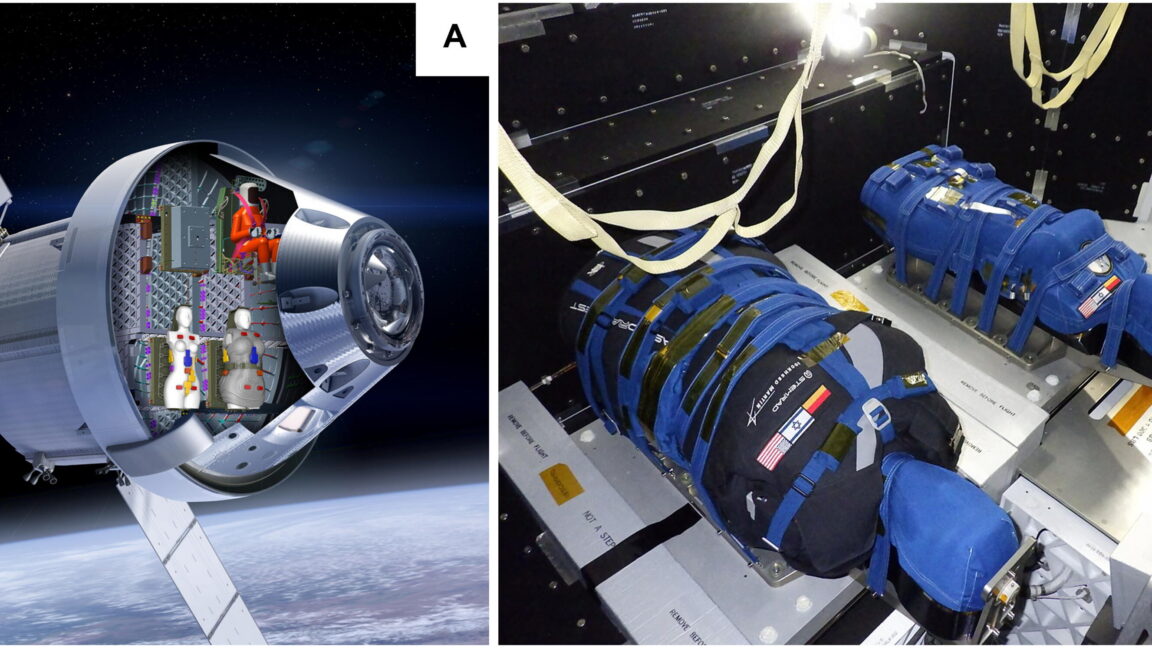
StemRad, a company specializing in radiation shielding, has successfully tested its radiation-blocking vest on NASA's Artemis I mission. The vest was flown to the Moon and back, providing valuable data on its performance in a space environment. This data, when combined with simulations, suggests that the vest could significantly reduce astronaut exposure to radiation, particularly during solar storms. The technology aims to enhance astronaut safety for future deep-space exploration endeavors. The Artemis I mission provided a unique opportunity to gather real-world performance metrics for the vest beyond Earth's protective atmosphere. Further analysis of the collected data is expected to refine the vest's design and confirm its efficacy in mitigating the risks associated with prolonged space travel.