Key facts
- Mitsubishi Electric plans to increase satellite production.
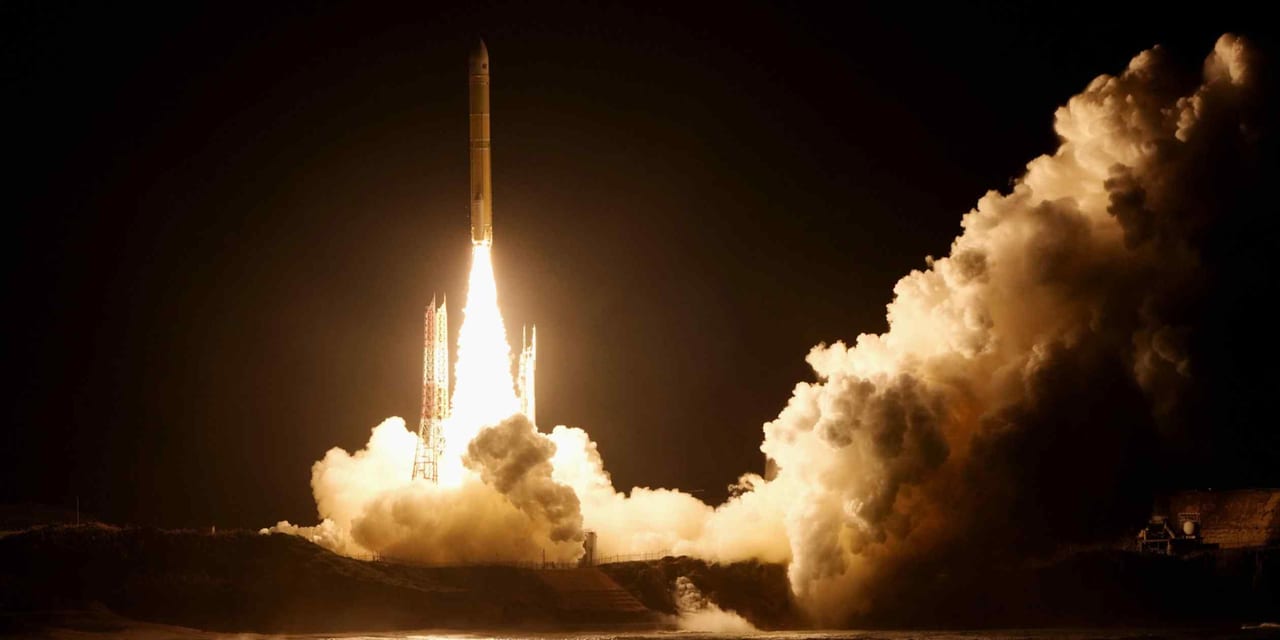
- Japan successfully launched an H3 rocket.
- The H3 rocket carried the Michibiki No. 7 positioning satellite.
- The Michibiki No. 7 is part of the Quasi-Zenith Satellite System.
- This was the second consecutive successful launch for the H3 rocket.
- Mitsubishi Electric is developing advanced solar cells.
- Mitsubishi Electric is developing a next-generation defense satellite communications system.
Mitsubishi Electric is set to increase its satellite production capacity in the wake of the successful launch of Japan's H3 rocket. The rocket carried the Michibiki No. 7 positioning satellite, a component of the Quasi-Zenith Satellite System, into orbit. This successful mission represents the second consecutive successful launch for the H3 rocket, Japan's primary launch vehicle, reinforcing the nation's growing aspirations for greater orbital deployment capabilities. In parallel with this production boost, Mitsubishi Electric is actively engaged in developing advanced solar cells. Furthermore, the company is working on a next-generation defense satellite communications system, indicating a strategic focus on enhancing Japan's space-based defense infrastructure. The success of the H3 rocket is a significant milestone, paving the way for more frequent and reliable access to space for Japanese satellite missions.