Key facts
- Mitsubishi Electric is increasing satellite production following Japan's successful H3 rocket launch.
- The company is developing low-cost, mass-producible solar cells and cover glass for satellites.
- Mitsubishi Electric will collaborate with PXP Corporation on advanced solar cell technology.
- Japan's Ministry of Defense awarded Mitsubishi Electric a contract for a next-generation defense satellite communications system.
- The new defense satellite will enhance secure military connectivity in space.
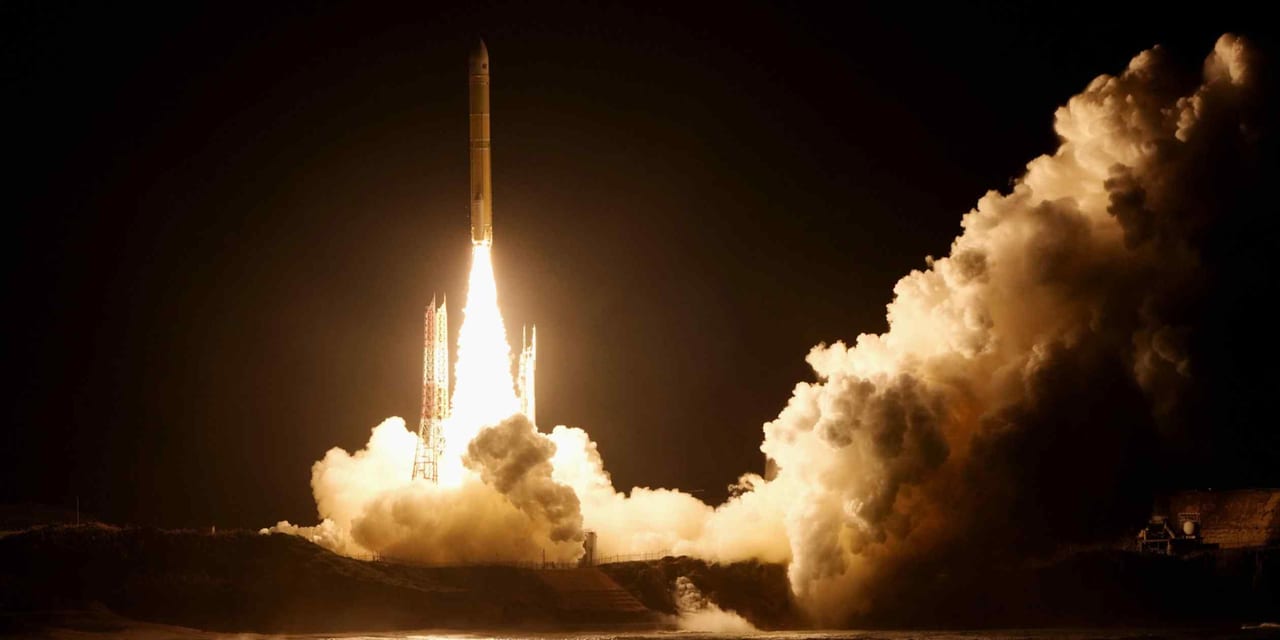
Following the successful launch of an H3 rocket carrying a positioning satellite, Mitsubishi Electric is set to increase its satellite production to meet Japan's growing ambitions in space development. The country is targeting six to eight launches annually.
Mitsubishi Electric has been selected by the Japan Aerospace Exploration Agency (JAXA) to lead the development of domestic solar cells, cover glass, and solar arrays. This initiative aims to strengthen Japan's satellite supply chain by reducing costs and increasing supply capabilities, addressing a global shortage of these components. The company will collaborate with PXP Corporation, focusing on advanced perovskite/CIGS tandem solar cells that offer high efficiency and resistance to space radiation, while also being cheaper and easier to mass-produce.
In parallel, Mitsubishi Electric secured a contract from the Japan Ministry of Defense to develop and manufacture a next-generation defense satellite communications system. This system will succeed the current Kirameki-2 satellite and is designed to enhance secure military connectivity, featuring a digital communications payload with flexible beam coverage and capacity to meet evolving defense needs.