Key facts
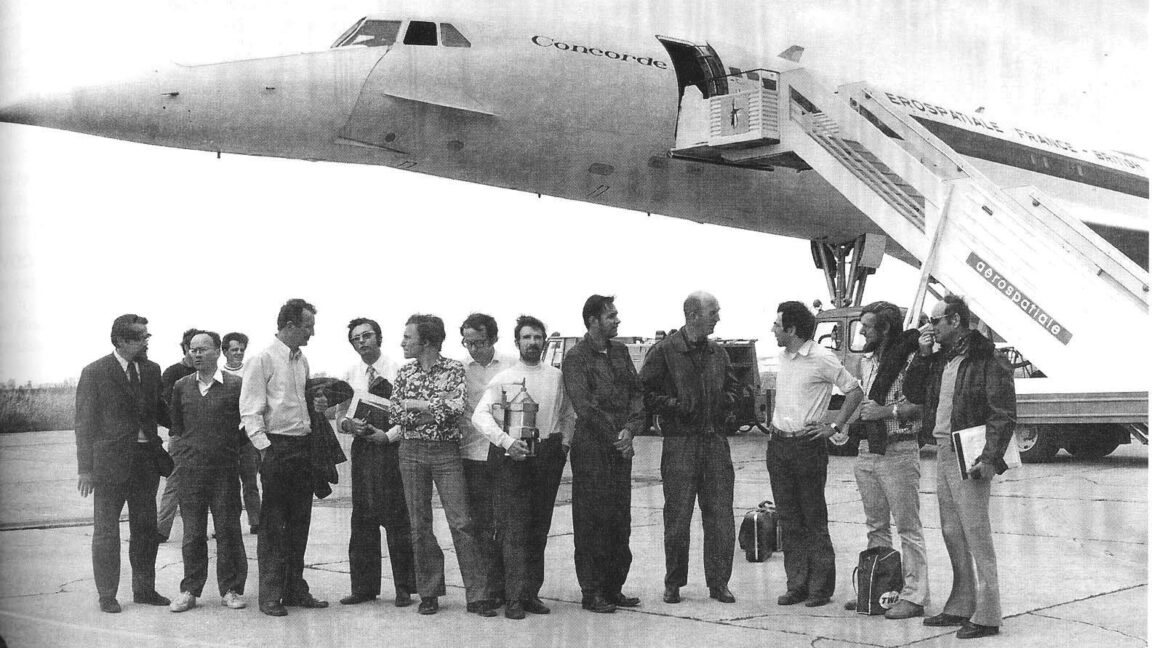
- A Concorde prototype aircraft was modified for scientific observation in 1973.
- The aircraft was equipped with telescopes to observe the Sun's corona.
- The Concorde flew at supersonic speeds during the mission.
- The mission aimed to observe a solar eclipse.
- The flight set a record for the longest observation time of a solar eclipse.
In 1973, a prototype Concorde aircraft was specially modified to conduct scientific observations during a solar eclipse. The aircraft was equipped with telescopes designed to study the Sun's corona. By flying at supersonic speeds, the Concorde was able to maintain its position relative to the path of the eclipse, extending the duration of the observation. This mission successfully set a record for the longest observation time of a solar eclipse, allowing scientists to gather unprecedented data on the Sun's corona. The unique capabilities of the Concorde, including its speed and altitude, made this record possible.