Key facts
- China's Long March 7A rocket exploded approximately 80 seconds after liftoff on Monday evening.
- The rocket was carrying a classified payload.
- The payload is believed to be a military communications satellite.
- The YF-100 engine is a potential suspect in the failure.
- The failure could impact other Chinese space missions if linked to the YF-100 engine.
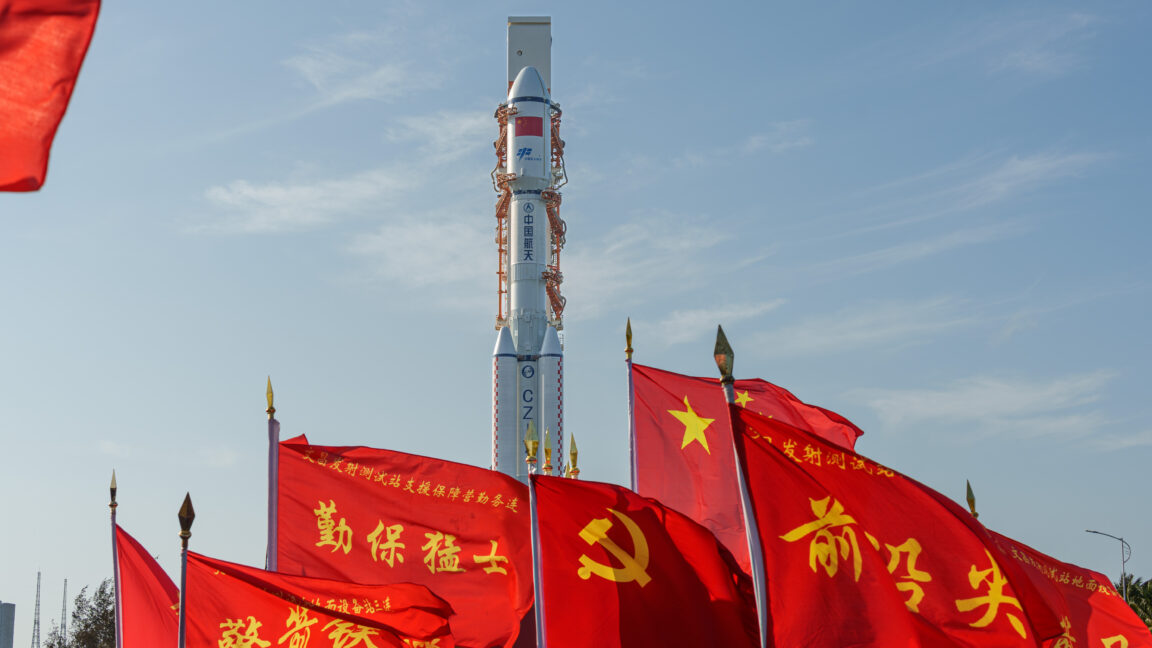
China's Long March 7A rocket experienced an explosion approximately 80 seconds after its liftoff on Monday evening, local time. The rocket was carrying a classified payload, which is widely believed to be a military communications satellite. The exact cause of the failure is still under investigation, but initial speculation suggests a potential issue with the YF-100 engine. If this engine is indeed the cause, it could have significant implications for other Chinese space missions that rely on the same propulsion system. The Long March 7A is a crucial component of China's space launch capabilities, and its failure represents a notable setback for the nation's ambitious space program. Further details regarding the payload and the specific reasons for the explosion are expected to be released as the investigation progresses. The incident occurred during a critical phase of the ascent, highlighting the inherent risks associated with rocket launches, even for established spacefaring nations.