ByteDance founder urges staff to avoid AI model distillation | PiQ Markets
3 storiesAI & TechnologyLarge Language Models: GPT-4, Claude, Gemini, Llama, Mistral, GrokAI safety & alignmentChina AI regulation & development
ByteDance founder urges staff to avoid AI model distillation
window 24h
IN SHORT
ByteDance founder Zhang Yiming is advising staff against using model distillation for AI development, prioritizing long-term integrity over immediate improvements amid intense U.S.-China AI competition and intellectual property concerns. Meanwhile, Chinese camera maker Insta360 faces greater cost pressures from AI-driven chip demand than from U.S. tariffs as it expands in the American market. In a related development, AI model provider DeepSeek plans significant price hikes due to soaring demand for its cost-effective AI solutions, highlighting the escalating costs and competitive landscape in the AI sector.
✉Newsletter
PiQ Daily
Pick your topics. Get only what matters, on your cadence.
Key Numbers
3stories synthesized
Who's Involved
Zhang Yiming
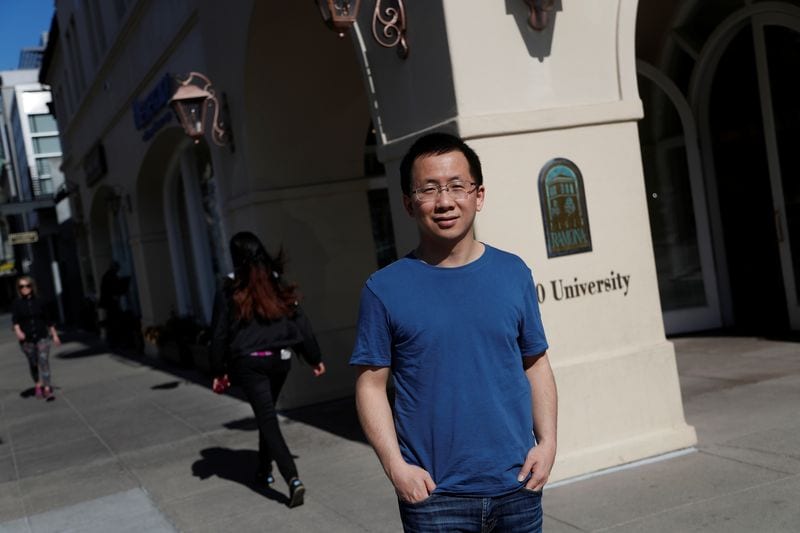
ByteDance founder urging staff to avoid AI model distillation
ByteDance
company whose founder issued directives on AI development
Insta360
Chinese camera maker facing AI-driven chip cost pressures
DeepSeek
AI model developer planning price increases
1 / 3
Key facts
ByteDance founder Zhang Yiming instructed employees to avoid model distillation for AI systems.
The directive prioritizes long-term gains over short-term sacrifices.
The AI race between China and the U.S. involves accusations of intellectual property theft.
Chinese camera maker Insta360 is experiencing greater pressure from AI-driven chip costs than from U.S. tariffs.
Insta360 is expanding its presence in the American market.
AI model developer DeepSeek announced plans for a substantial price increase.
DeepSeek cited a surge in demand for cost-effective AI solutions as the reason for price hikes.
The move reflects the growing market for accessible AI technologies.
ByteDance founder Zhang Yiming has directed employees to avoid using model distillation techniques to enhance AI systems. This directive emphasizes long-term strategic goals over short-term performance gains, particularly relevant in the current climate of intense competition and accusations of intellectual property theft within the global AI race, especially between China and the United States. The move suggests a focus on proprietary development and ethical considerations in AI advancement.
In parallel, Chinese camera manufacturer Insta360 is navigating significant cost challenges stemming from the escalating demand for chips driven by the artificial intelligence boom. These AI-driven chip costs are reportedly exerting more pressure on the company than existing U.S. tariffs. Despite these pressures, Insta360 is actively expanding its footprint within the American market, indicating a strategic push to grow its presence there.
Further underscoring the economic dynamics in the AI sector, AI model developer DeepSeek has announced plans for a substantial increase in the pricing of its AI models. The company attributes this decision to a significant surge in demand for affordable AI solutions. This price adjustment reflects the broader market trend where the accessibility of AI technologies is driving unprecedented demand, leading to increased operational costs and market re-evaluations for providers.
↳ Why This Matters
ByteDance founder Zhang Yiming has directed employees to avoid using model distillation techniques to enhance AI systems. This directive emphasizes long-term strategic goals over short-term performance gains, particularly relevant in the current climate of intense competition and accusations of intellectual property theft within the global AI race, especially between China and the United States. The move suggests a focus on proprietary development and ethical considerations in AI advancement.
Frequently asked questions
AI model distillation is a technique where the outputs of a large, powerful AI system are used to train or improve a smaller AI model. It's often used to create more efficient or specialized models.
It is controversial because it can be used to extract capabilities from proprietary AI models without direct licensing or permission, leading to accusations of intellectual property theft and unfair competition.
The U.S. is concerned that Chinese companies are using techniques like model distillation to rapidly advance their AI capabilities by leveraging U.S. intellectual property, potentially creating an uneven playing field and national security risks.
Beijing has accused Washington of 'AI hegemonism,' suggesting the U.S. is trying to stifle China's technological progress, and has threatened to take countermeasures.
What Happens Next
01Chinese companies may face U.S. sanctions or trade blacklists.
02Beijing may implement countermeasures against U.S. actions.
Get the newsletter.
Pick the topics you actually care about. We'll email when there's news worth your time, on the cadence you choose. Cancel any time from your account.