Key facts
- Insta360, a Chinese action camera brand, is experiencing significant pressure from rising chip costs driven by the AI boom.
- The company states these chip cost challenges are more difficult than U.S. tariffs.
- Insta360 is expanding its U.S. market presence and plans to open retail stores in New York, Tokyo, and Munich.
- Sales in 2025 reached $1.4 billion, with international revenue comprising over 60% of total sales in Q1 2026.
- Net profit declined in Q1 2026 due to heavy research spending, impacting its stock performance.
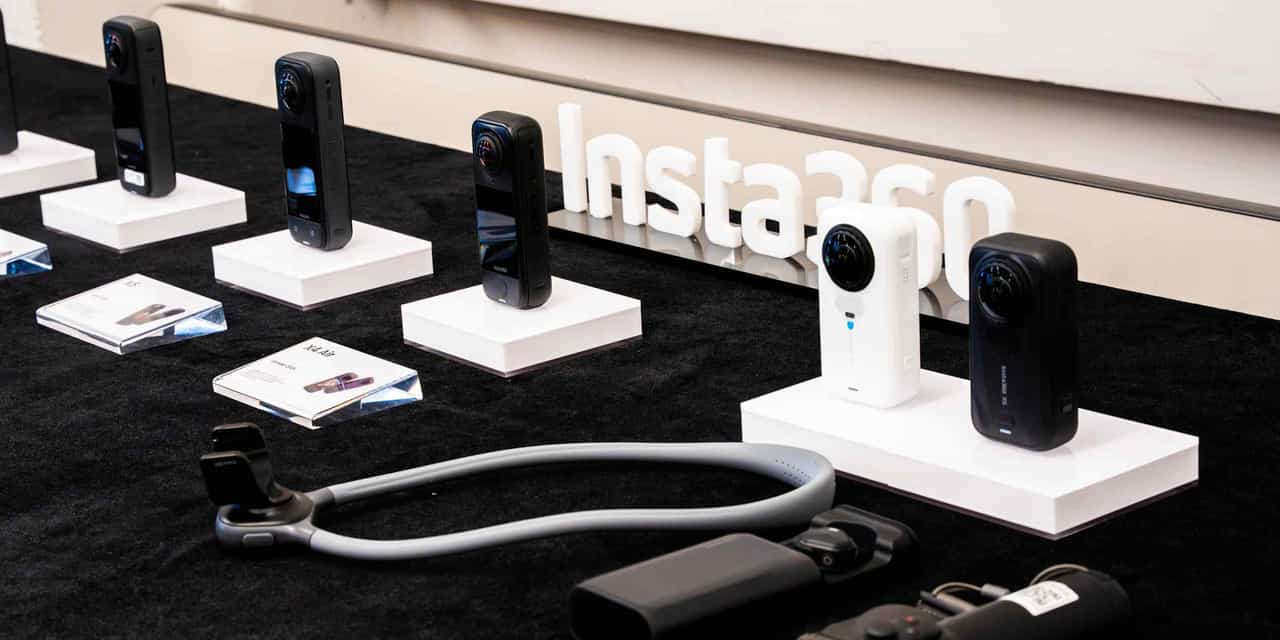
Chinese action camera maker Insta360 is grappling with increased costs for chips, a challenge exacerbated by the artificial intelligence boom, which it finds more problematic than U.S. tariffs as it expands its operations in the American market.
Founded in 2015, Insta360 has emerged as a global leader in 360-degree cameras. The company is actively pursuing international growth, with plans to open its first retail stores in the U.S., Europe, and Japan. A New York store is slated to open in the Times Square area in the third quarter of 2026, with additional locations planned for Tokyo and Munich. These moves are intended to bolster its position against rivals like GoPro and DJI.
Insta360 reported significant sales growth, with revenue soaring 74% to approximately $1.4 billion last year. In the first quarter of 2026, sales increased by 83% to 2.48 billion yuan ($366 million), with international markets contributing over 60% of the total revenue. However, the company's net profit for the first quarter of 2026 fell to 36 million yuan from 174 million yuan in the same period last year, attributed to substantial research and development expenditures. This decline in profit has contributed to a 25% drop in its Shanghai-listed shares over the past year.
The company is targeting the global action camera market, which was valued at $7.3 billion in 2025 and is projected to grow to $18 billion by 2033, according to Grand View Research. Insta360's strategy, inspired by founder Liu Jingkang's philosophy of focusing on product quality, has allowed it to carve out a niche in a competitive market without relying solely on subsidies or low prices.