Key facts
- Amazon's Zoox received U.S. approval for limited commercial deployment of its driverless robotaxis.
- The approval is an exemption from NHTSA rules requiring human controls.
Amazon's Zoox has received U.S. approval to deploy its driverless robotaxis commercially, a significant first for the autonomous vehicle industry. This exemption from federal safety rules allows Zoox to operate without human controls and charge passengers. Meanwhile, DoorDash has launched its own drone delivery service, DoorDash Air, after obtaining FAA certification for commercial drone operations. In related news, Waymo is resuming freeway driving for its robotaxi service in multiple cities after pausing the feature for over two months due to navigation issues in construction zones.
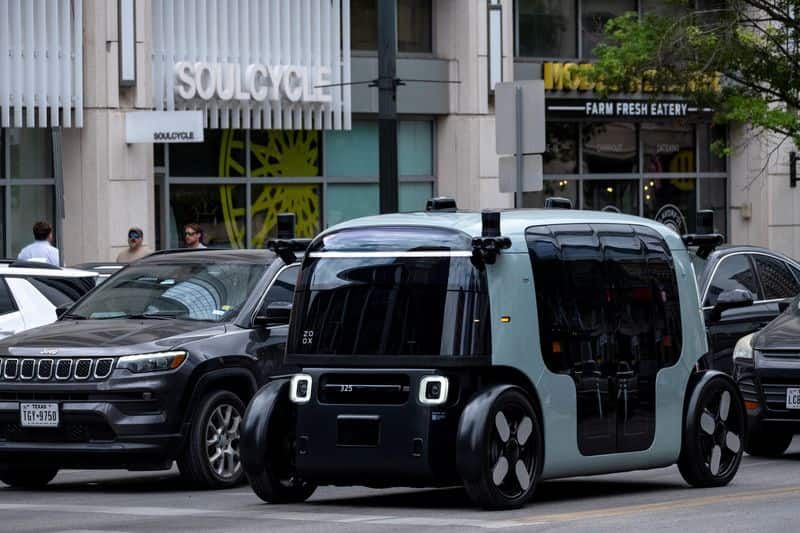
Amazon's autonomous vehicle subsidiary, Zoox, has achieved a significant milestone by securing U.S. approval for the limited commercial deployment of its driverless robotaxis. This exemption from the National Highway Traffic Safety Administration (NHTSA) rules, which typically mandate human controls like steering wheels, permits Zoox to operate its vehicles without them and to charge passengers for rides. This marks the first time a company has received such an exemption for vehicles designed from the ground up without manual controls, paving the way for commercial operations.
In parallel developments within the autonomous delivery sector, DoorDash has officially launched its in-house drone delivery business, branded as DoorDash Air. The company announced it has received certification from the Federal Aviation Administration (FAA) to conduct commercial drone deliveries across the United States. DoorDash is investing in its own drone aircraft and the necessary infrastructure to support this new service, with the goal of diversifying its delivery methods beyond human couriers and expanding its overall logistics capabilities.
Meanwhile, Waymo, another prominent player in the autonomous ride-hailing space, is in the process of reintroducing freeway driving capabilities to its driverless service. The company had previously paused this functionality for over two months, citing difficulties its robotaxis encountered when navigating complex construction zones. Waymo is now gradually resuming freeway routes for its service in key operational areas, including Phoenix, Los Angeles, and the San Francisco Bay Area, following software updates aimed at improving navigation in such environments.
Amazon's autonomous vehicle subsidiary, Zoox, has achieved a significant milestone by securing U.S. approval for the limited commercial deployment of its driverless robotaxis. This exemption from the National Highway Traffic Safety Administration (NHTSA) rules, which typically mandate human controls like steering wheels, permits Zoox to operate its vehicles without them and to charge passengers for rides. This marks the first time a company has received such an exemption for vehicles designed from the ground up without manual controls, paving the way for commercial operations.