Key facts
- The AI revolution faces a critical bottleneck in electricity availability.
- Companies are earmarking trillions of dollars for AI factories.
The rapid expansion of AI infrastructure is creating an unprecedented demand for electricity, leading to concerns about energy scarcity and potential price hikes. Companies are investing billions in power solutions, with Bloom Energy and Brookfield expanding their partnership to $25 billion to finance fuel cell projects for AI. This energy crunch, coupled with upstream chip supply chain bottlenecks, poses significant challenges to AI development. U.S. Energy Secretary Chris Wright is urging data center supporters to actively address public criticism regarding energy and water usage, and the broader societal impacts of AI.
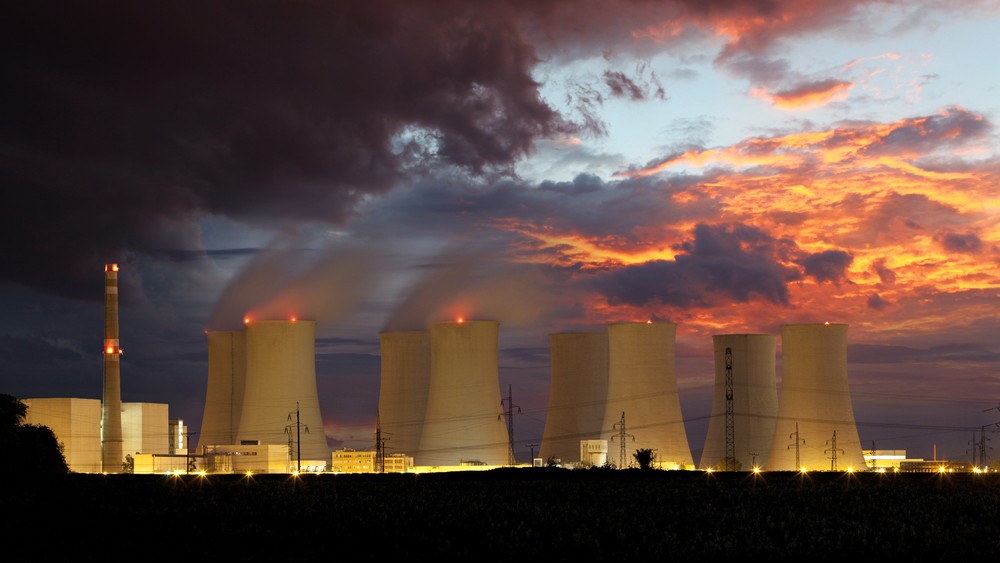
The accelerating AI revolution is encountering a significant bottleneck: the availability of electricity. Trillions of dollars are being allocated for AI infrastructure, but securing adequate power is proving more difficult than developing advanced chips or AI models. Companies are now prioritizing energy access, with some, like Bitzero, having strategically secured power contracts in regions such as Norway and Finland years in advance. This surge in demand is projected to impact electricity prices, with the U.S. potentially facing a 58% surge by 2030 if significant infrastructure investments are not made. Bitcoin mining is also cited as a contributing factor to this increased demand.
In response to these energy demands, Bloom Energy and Brookfield have expanded their partnership to finance power projects for AI infrastructure. Their funding framework has been increased fivefold to $25 billion, aiming to accelerate the global deployment of fuel cells to meet the growing energy needs of AI. This collaboration highlights the substantial financial commitments being made to address the energy scarcity.
Beyond energy, the semiconductor supply chain is also facing renewed pressure. Bottlenecks in upstream components are creating new challenges, potentially leading to further price increases for chips. This situation directly impacts the production of advanced technologies, including the specialized hardware required for AI.
Amidst these developments, U.S. Energy Secretary Chris Wright has encouraged data center proponents to actively counter criticism. Speaking at an Amazon Web Services conference, Wright urged supporters to address concerns about water and power usage, as well as the impact of AI on jobs and communities. He drew a parallel between current opposition to data centers and past resistance to fracking, suggesting a need for proactive communication from the industry.
The accelerating AI revolution is encountering a significant bottleneck: the availability of electricity. Trillions of dollars are being allocated for AI infrastructure, but securing adequate power is proving more difficult than developing advanced chips or AI models. Companies are now prioritizing energy access, with some, like Bitzero, having strategically secured power contracts in regions such as Norway and Finland years in advance. This surge in demand is projected to impact electricity prices, with the U.S. potentially facing a 58% surge by 2030 if significant infrastructure investments are not made. Bitcoin mining is also cited as a contributing factor to this increased demand.