Key facts
- Unitree Robotics, a major producer of humanoid and quadruped robots, based its successful designs on innovations funded by the U.S. military.
- The company's $1,600 Go2 model, launched in 2023, has led to Unitree dominating the global quadruped robot market.
- A Unitree robot has been shown armed and accompanying Chinese People's Liberation Army troops.
- The U.S. military designated Unitree as a contributor to the Chinese defense industrial base.
- The U.S. Federal Communications Commission has banned imports of future models of foreign-made humanoid and quadruped robots, including those from Unitree.
Innovations financed by the U.S. military have been foundational to the designs of Unitree Robotics, a leading global producer of humanoid and quadruped robots, according to former U.S. defense officials and researchers involved in the projects. Unitree's popular Go2 model, launched in 2023, has enabled the company to capture a dominant share of the global quadruped robot market, with its Shanghai IPO drawing significant investor interest.
These robots draw on breakthroughs in quadruped movement that were financed by the U.S. DEVCOM Army Research Laboratory (ARL) and other military programs. Researchers noted that the dimensions of Unitree's popular Go series are nearly identical to a groundbreaking robot they helped develop. This episode highlights challenges the United States faces in competing with China's state-directed manufacturing sector in strategic high-tech industries.
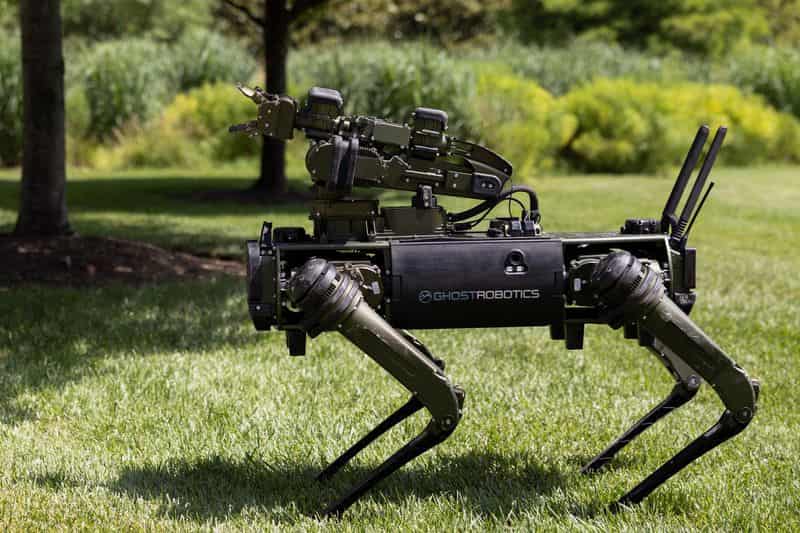
While U.S. companies like Ghost Robotics supply advanced robots to U.S. special forces, their production is significantly smaller and more costly compared to Unitree. In June, the Pentagon designated Unitree as a contributor to the Chinese defense industrial base, a move that restricts the U.S. military's future use of its technology. Unitree has stated its robots are intended for civilian use.
Unitree's success is partly attributed to China's industrial policy, which includes subsidies and a dense network of component suppliers. This contrasts with the U.S. approach, where venture capital often favors software startups over hardware manufacturing. While U.S. authorities have implemented trade restrictions, such as the FCC ban on imports of certain robots, experts suggest these measures alone may not be sufficient to enable U.S. companies to catch up with China's coordinated national strategy in robotics.