Key facts
- The University of Tokyo's Intelligent Space Systems Laboratory has developed and launched 15 microsatellites.
- Microsatellites have democratized space development by drastically reducing launch costs.
- The university's historical contributions include Professor Hideo Itokawa, the father of Japanese rocketry, and the launch of Japan's first satellite, Ohsumi.
- UTokyo IPC, a wholly owned subsidiary, supports academic innovation by fostering startups.
- The space industry is experiencing increased demand for satellites and rocket launches.
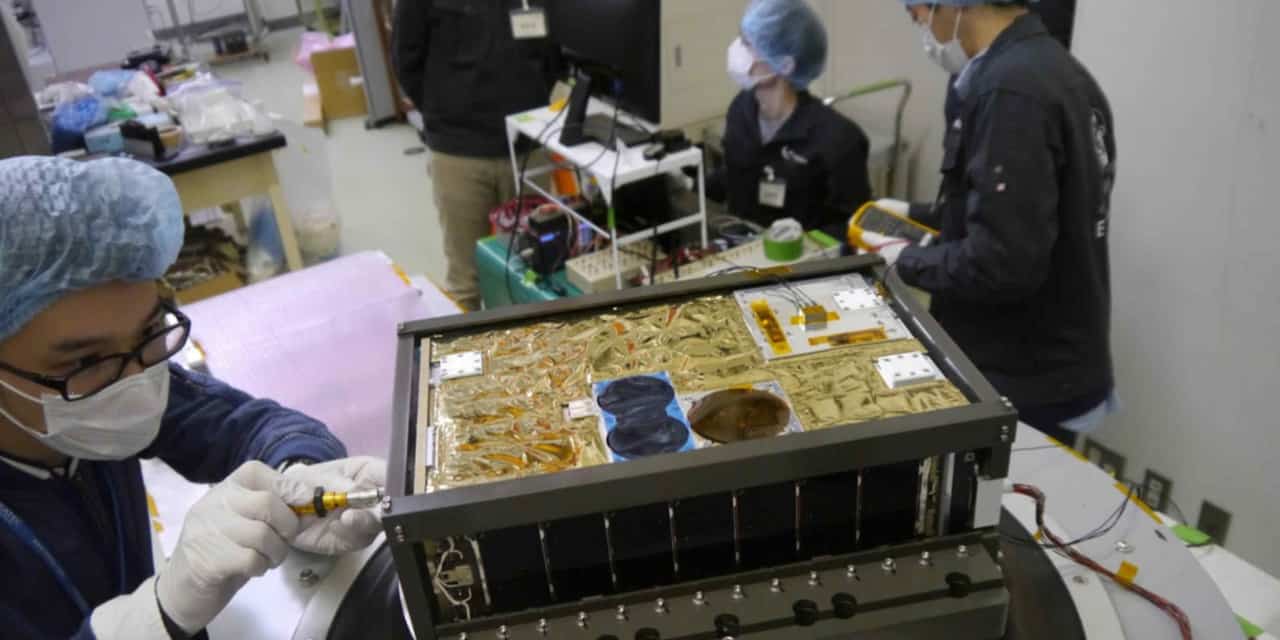
The University of Tokyo is playing a pivotal role in the growth of Japan's space startup ecosystem, leveraging its technological advancements and talent development. The university's Intelligent Space Systems Laboratory has successfully developed and launched 15 microsatellites, significantly lowering the barrier to entry for space development.
Historically, the University of Tokyo has been central to Japan's space program since the post-World War II era. Professor Hideo Itokawa, recognized as the father of Japanese rocketry, was a key figure. The university also contributed to the launch of Japan's first satellite, Ohsumi, in 1970. In the 2000s, the development of CubeSats, small, standardized satellites, further democratized space exploration, reducing costs from billions of yen to tens or hundreds of millions.
This democratization has enabled universities, startups, and even local governments to participate in space development. The Intelligent Space Systems Laboratory's own launch of 15 microsatellites exemplifies this trend. The university's role extends beyond technology provision; it actively nurtures talent that becomes an immediate asset to emerging space companies. UTokyo IPC, established in 2016, further supports this ecosystem by facilitating the transition of academic research into commercial ventures and societal impact.
Applications for satellites are diverse, spanning telecommunications, Earth observation, scientific experiments, space exploration, and entertainment, underscoring the broad impact of advancements in this sector.