Key facts
- An 11-year-old girl, Catherine L’Estrange, is the first UK patient to receive gene therapy for Bardet-Biedl syndrome (BBS).
- The therapy involves injecting healthy copies of a specific gene directly into the eye.
- BBS is a rare genetic condition affecting about one in 100,000 births, typically leading to blindness by the late teens or early twenties.
- The procedure, developed by MeiraGTx, aims to stabilize or improve vision.
- Catherine was diagnosed with BBS as a baby and hopes the treatment will allow her to continue reading.
- The treatment has previously been performed on only one other person worldwide, a 17-year-old girl from Canada.
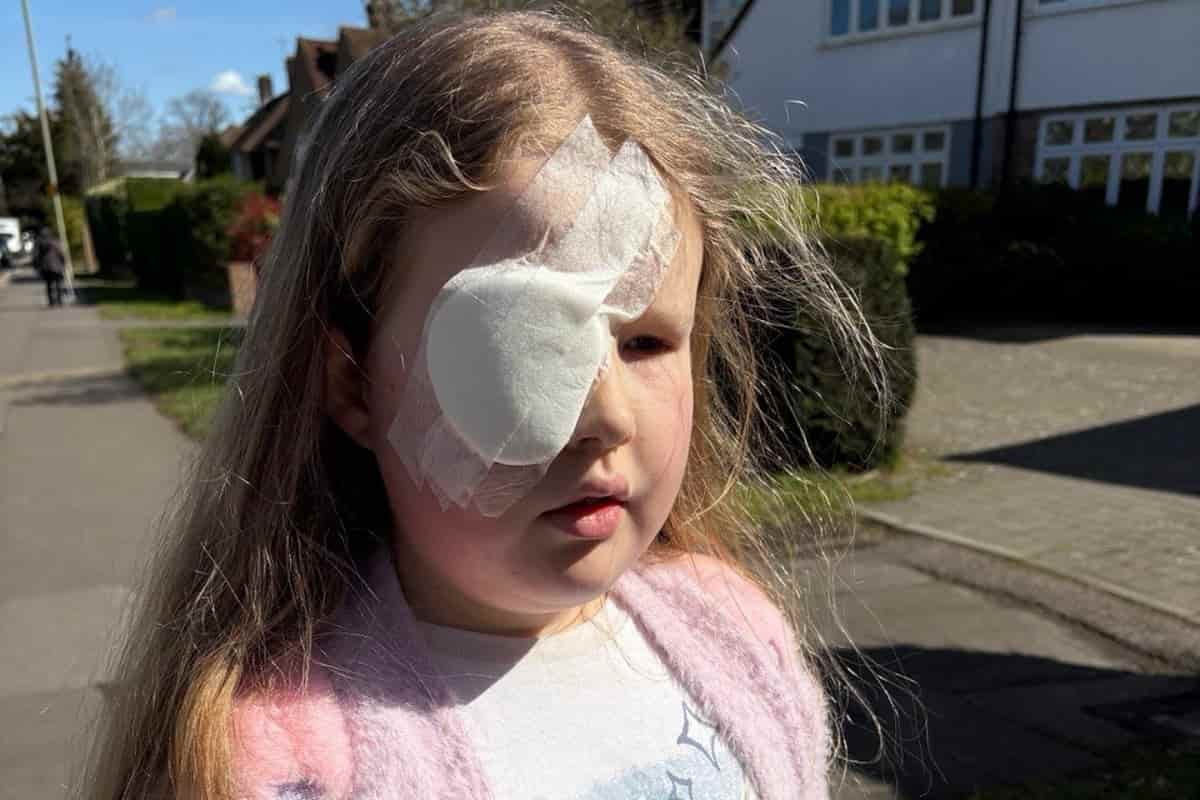
An 11-year-old girl from London has become the first patient in the UK to receive a groundbreaking gene therapy for Bardet-Biedl syndrome (BBS), a rare condition that progressively causes blindness.
Catherine L’Estrange underwent the innovative treatment, which involves injecting healthy copies of a specific gene directly into the eye. This pioneering procedure had only been performed on one other individual globally prior to Catherine’s operation – a 17-year-old girl from Canada.
Diagnosed with BBS as a baby, Catherine is hopeful the therapy will enable her to continue her beloved hobby of reading. According to her surgeon, Neruban Kumaran, consultant eye surgeon at Epsom and St Helier University Hospitals NHS Trust, if successful, the treatment could stabilise her vision or even lead to an improvement.
BBS is caused by mutations in one of 20 different genes, affecting approximately one in 100,000 births in the UK. Patients typically experience blindness by their late teens or early twenties. Beyond vision loss, the condition can also manifest with kidney problems, learning difficulties, obesity, and occasionally extra fingers or toes.
The hour-long procedure, utilising gene therapy developed by biotechnology company MeiraGTx, was carried out at St Helier Hospital. Surgeons removed the jelly inside her eye and injected healthy copies of a gene into the retina. Mr Kumaran explained that by giving a healthy copy of the gene, it helps save the retinal cells that die in BBS patients, leading to blindness.
Catherine’s father, Reverend Timothy L’Estrange, noted that while most children with BBS are diagnosed later, Catherine's early diagnosis allowed the family to prepare for her inevitable sight loss. He expressed surprise and delight that the gene therapy became available sooner than anticipated.
Only one of Catherine’s eyes has been treated, and the team is awaiting results. The treatment is specifically designed for patients with a BBS10 gene mutation, one of the most common among BBS patients. Experts from Great Ormond Street and Moorfields Eye Hospital assisted in identifying eligible patients.