Key facts
- A fatal Tesla Autopilot crash in 2019 is the subject of a prolonged legal dispute.
- The case centers on missing data that could explain the circumstances of the crash.
- Tesla's handling of evidence and safety claims are under scrutiny.
- Previous fatal accidents involving Autopilot have been cited.
- The legal battle involves Tesla, its lawyers, and independent safety researchers.
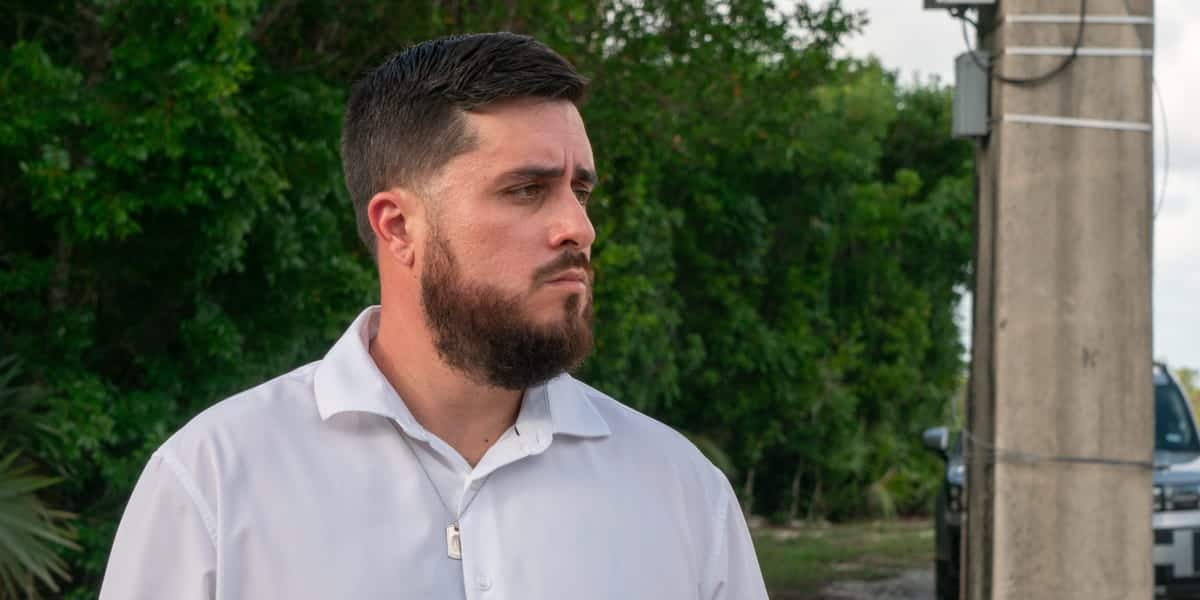
The fatal crash of a Tesla Model S on April 25, 2019, in Key Largo, Florida, involving Dillon Angulo and Naibel Benavides, has escalated into a complex legal battle over missing data. Angulo, the driver, recounts pulling over to view the stars on Card Sound Road when headlights rapidly approached, leading to the crash. The incident is now at the center of a years-long saga involving Tesla, Elon Musk, legal teams, and independent researchers, questioning the integrity of Tesla's self-driving technology and its accident investigation protocols.
Central to the dispute is the alleged disappearance of crucial data from the vehicle's glovebox computer, which could explain the sequence of events leading to the crash. This fight over evidence has become a broader examination of Tesla's safety claims and its handling of information following fatal accidents.
The article references previous fatal incidents involving Tesla's Autopilot system, including the 2016 death of Joshua Brown in Florida, where his Model S struck a semitrailer while Autopilot was engaged and the car did not brake. The NTSB criticized Tesla for fostering driver disengagement in that case. Another incident involved Walter Huang, who died in 2018 when his Model X veered into a concrete divider. His widow's lawsuit against Tesla, which Tesla settled, argued that the company's marketing created a false sense of security about Autopilot's capabilities.