HomeAll NewsEducationTV
Equities & FundsCrypto & Digital AssetsAI & TechnologyBusiness & CorporateUS Politics & PolicyGeopolitics & Global RiskMacro, Rates & FXCommodities & EnergyEuropean Politics & MarketsAsia-PacificReal Estate & Property
Story archiveAll categories
← All Stories

Taiwan to forge distinct robotics path from China, says tech czar

Created at 22 Jul · 9:41 AM1 source↑ Market-relevant
IN SHORT

Taiwan aims to develop its robotics industry to bolster its AI supply chain and address an aging population, differentiating its strategy from China's military-focused approach, according to its top tech official. The island seeks niche applications leveraging its supply chain strengths.

✉Newsletter

PiQ Daily

Pick your topics. Get only what matters, on your cadence.

Key Numbers

USD 85 billionglobal robotics market size in 2024
USD 250 billionprojected global robotics market size by 2030
20%CAGR for the global robotics market

Who's Involved

Wu Cheng-wen
Taiwan's top tech official
Xi Jinping
Chinese President
Boston Dynamics
developer of advanced robots like Spot and Atlas
Agility Robotics
developer of the Digit humanoid robot
Tesla
working on the Optimus humanoid robot
Unitree Robotics
known for affordable quadruped robots
UBTECH
developer of the Walker X humanoid robot
Fourier Intelligence
specializes in exoskeletons and rehabilitation robotics
Taiwan to forge distinct robotics path from China, says tech czar

↳ Why This Matters

Taiwan's strategic positioning in the robotics sector could influence global AI supply chains and technological development, while its distinct approach from China highlights geopolitical tensions and differing national priorities in advanced technology.

Key facts

  • Taiwan's top tech official, Wu Cheng-wen, outlined a distinct strategy for the island's robotics industry.
  • The initiative aims to enhance Taiwan's AI supply chain and support an aging population.
  • This approach contrasts with China's military-focused robotics development.
  • The U.S. prioritizes research and general-purpose robots, while China focuses on rapid commercialization.
  • Taiwan's strategy centers on supply chain integration and niche applications.
  • President Xi Jinping highlighted China's tech advancements and reiterated annexation intentions toward Taiwan.

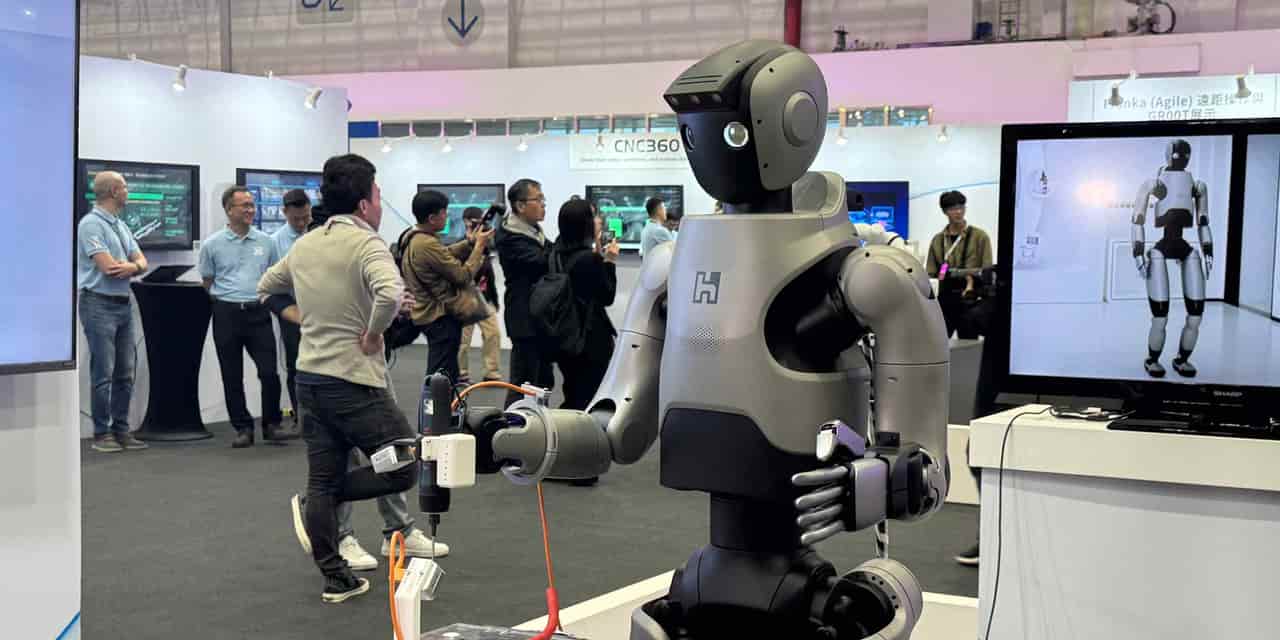
Taiwan plans to develop its robotics industry with a strategy distinct from China's, focusing on strengthening its AI technology supply chain and addressing the needs of an aging society, according to Wu Cheng-wen, the island's top tech official. This approach contrasts with China's military-oriented development and the U.S.'s focus on research and general-purpose robots.

The global robotics market is projected to grow significantly, from $85 billion in 2024 to $250 billion by 2030, with a compound annual growth rate exceeding 20%. This expansion is driven by technological advancements and supportive government policies.

Taiwan's strategy leverages its existing strengths in the global supply chain and targets niche applications. This is in contrast to China's policy-driven approach, which aims for rapid, large-scale commercialization of robots, even before full technical maturity. China's efforts include developing humanoid robots as part of its "new productive forces" and establishing a complete industrial chain by 2025.

Meanwhile, Chinese President Xi Jinping has praised the nation's technological progress in areas like AI and semiconductors, while also reiterating Beijing's intention to annex Taiwan. This comes amid heightened tensions, with China recently conducting military drills around the island following a U.S. arms sale. The U.S. robotics sector, on the other hand, is characterized by its emphasis on frontier research and high-dynamic control, exemplified by companies like Boston Dynamics and Agility Robotics, with Tesla also investing in humanoid robot development.

Frequently asked questions

Taiwan aims to strengthen its AI technology supply chain and address the challenges of an aging society by developing its robotics industry, focusing on niche applications and leveraging its supply chain strengths.

Taiwan's strategy is focused on supply chain integration and niche applications, while China's approach is policy-driven, emphasizing rapid, large-scale commercialization and military applications.

The global robotics market is expected to grow from USD 85 billion in 2024 to USD 250 billion by 2030, with a compound annual growth rate of over 20%.

The U.S. emphasizes research and general-purpose robots with high-dynamic control, while China focuses on policy support and scaling commercial adoption of robots.

What Happens Next

01Taiwan will continue to strengthen its AI technology supply chain.
02Taiwan will focus on niche applications within the robotics industry.
03China plans to discuss its new five-year plan in March.
04China aims to establish a complete humanoid robot industrial chain by 2025.

Get the newsletter.

Pick the topics you actually care about. We'll email when there's news worth your time, on the cadence you choose. Cancel any time from your account.

Cadence

How It Developed

Taiwan's top tech official stated the island will pursue a distinct path in robotics development.
This strategy aims to strengthen Taiwan's AI technology supply chain.
The robotics initiative will also help address the challenges of an aging society.
Taiwan's approach is contrasted with China's military-oriented robotics development.
The U.S. focuses on research-driven, general-purpose robots.
China emphasizes policy-driven commercialization and scaling of robots.
Taiwan's strategy leverages its supply chain strengths and targets niche applications.
China's President Xi Jinping praised the nation's technological progress, including in AI and semiconductors.

Sources

T1
Taiwan to push advanced robotics on distinct path from China: tech czarNikkei Asia
T2
China's Xi Hails Nation's Tech Progress and Renews ...broadbandbreakfast.com
T2
The Three Paths of Robotics: U.S., China, and Taiwan’s Unique Strategieswhitehsu.blog

Related Stories

Taiwan's Formosat-8A satellite transmits first images
21 Jul · 9:06 PM
US and allies seek to counter China's rare earth and AI dominance
22 Jul · 1:06 AM
Nvidia, Wistron Open Texas AI Server Plant
21 Jul · 10:41 PM
Volkswagen and Horizon Robotics Deepen China Self-Driving Partnership
22 Jul · 6:41 AM
US to spend $5 billion on AI-powered health and construction research
22 Jul · 9:07 AM