Key facts
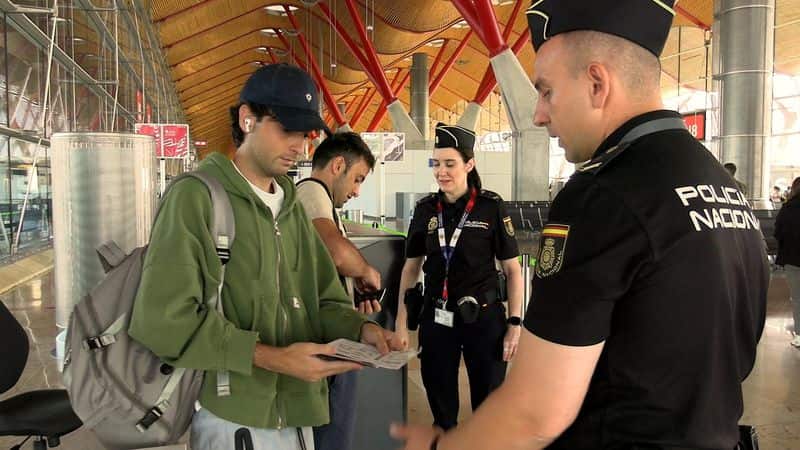
- Spain has imposed one-month border controls on all air and sea travel from Italy.
- The measure is a retaliation for Italy's earlier imposition of border checks on Spanish travelers.
- Italy cited concerns over migration into the Spanish exclave of Ceuta and potential security risks.
- Spain's checks will remain in place until September 7, while Italy's are in place until at least August 15.
- The dispute highlights broader EU sensitivities surrounding migration.
Spain has imposed border controls on all air and sea travel from Italy for one month, escalating a dispute between the two European Union nations over migration. The measures, which began at midnight, are a response to Italy's decision to introduce similar restrictions following an influx of approximately 78,000 migrants from Morocco into the Spanish exclave of Ceuta.
Spanish officials stated that between 5% and 10% of passengers arriving from Italy would have their documents checked, while Italy described its own controls as random. Italy's Foreign Minister Antonio Tajani called Spain's actions 'incomprehensible and completely unacceptable,' while Spain's Foreign Minister José Manuel Albares dismissed Italy's justification as 'spurious arguments.'
The crisis pits Italy's conservative leader Giorgia Meloni against Spain's socialist leader Pedro Sanchez, highlighting broader tensions over migration policy within the EU. Italy's government had stated its suspension of the Schengen arrangement was to prevent migrants who entered Ceuta from traveling onward to Italy. Madrid rejected this, arguing the migrants had no way to enter the Schengen area.
Both countries have indicated their border checks will remain in place for a month, with Spain's set to last until September 7 and Italy's until at least August 15. Temporary suspensions of the Schengen agreement are not unprecedented, with Italy also maintaining controls on its border with Slovenia. Finland and Denmark have backed Italy's decision, while the Czech Republic called for Spain's membership to be temporarily suspended.
Most of the migrants who arrived in Ceuta were returned within days, though nearly 1,400 minors remain. The EU's Migration Commissioner Magnus Brunner suggested criminal networks spreading disinformation were to blame for the mass crossings, a sentiment echoed by the Spanish government. Morocco, however, blamed a Spanish court ruling for the surge.