Key facts
- Japan's Ministry of Defense will integrate cybersecurity into its Air Self-Defense Force's radars, fighter jets, and equipment by 2027.
Japan's Ministry of Defense will integrate cybersecurity software into its Air Self-Defense Force's radars, fighter jets, and equipment by 2027. This move aims to counter increasingly sophisticated cyberattacks and enhance national defense capabilities, particularly in coastal defense and the Indo-Pacific region.
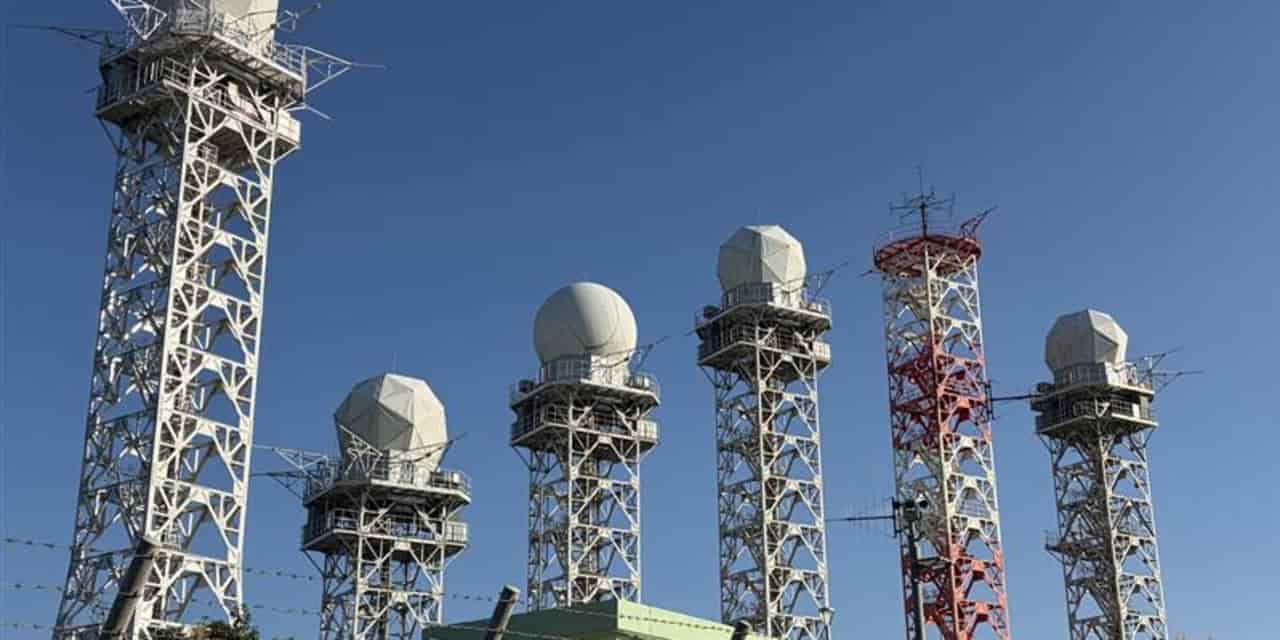
Japan is significantly bolstering its defense capabilities by integrating advanced cybersecurity measures and AI-driven autonomous systems, aiming to counter evolving cyber threats and regional military build-ups. This strategic shift enhances its deterrence posture in the Indo-Pacific and redefines modern defense operations.
Japan's Ministry of Defense plans to integrate cybersecurity software into its Air Self-Defense Force's radars, fighter jets, and other equipment by 2027, as cyberattacks become increasingly sophisticated. This initiative is part of a broader strategic shift outlined in the annual Defense White Paper, which prioritizes the rapid integration of unmanned systems and artificial intelligence into the nation's defense posture.
The new strategy, dubbed the SHIELD initiative (Synchronized, Hybrid, Integrated and Enhanced Littoral Defense), aims to link autonomous unmanned aerial vehicles, surface vessels, and underwater vehicles into a unified command and control network. Advanced AI algorithms will process real-time sensor data to accelerate decision-making for coordinated reconnaissance and precision strikes. The plan includes deploying swarms of low-cost kamikaze drones and autonomous surveillance platforms to safeguard radar stations and archipelagic coastlines, reducing operational risk to personnel.
In parallel, Japan has unveiled the EC-2 electronic warfare aircraft, developed from the Kawasaki C-2 airlifter. This aircraft is designed for stand-off radar and communications jamming missions, intended to interfere with enemy electronic systems from a safe distance. The program plans for four EC-2 aircraft, significantly increasing Japan's electronic warfare capabilities and strengthening its control of the electromagnetic spectrum in joint operations.