Key facts
- SpaceX's Starship is scheduled for its 13th test flight, potentially on Thursday.
- This flight will carry 20 functioning Starlink V3 satellites.
- The mission will test the satellites' ability to establish laser communication links.
- Cameras on six Starlink satellites will image Starship's heat shield.
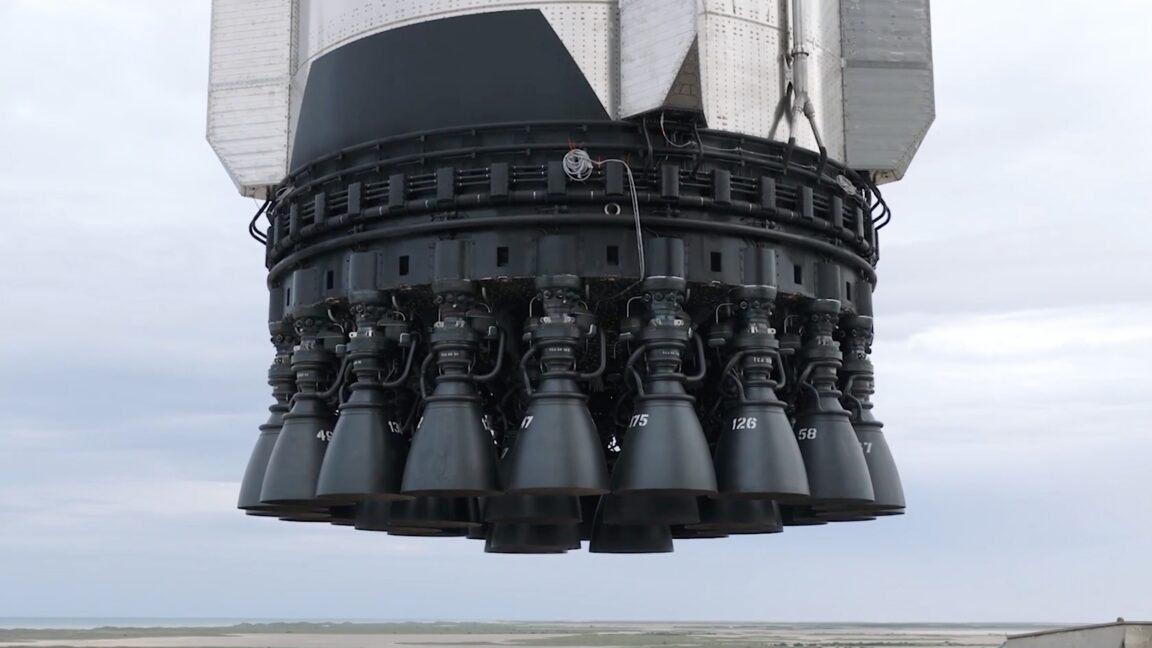
- The flight plan includes a Raptor engine relight test in space.
- Modifications have been made to the Super Heavy booster's stage separation sequence.
SpaceX is preparing for the 13th test flight of its Starship spacecraft and Super Heavy booster, with a launch window opening Thursday at 5:45 p.m. CDT (22:45 UTC).
This mission will feature 20 functioning Starlink V3 satellites, a significant upgrade from previous tests that used simulators. Engineers plan to attempt to establish brief laser communication links between these satellites and other spacecraft, validating interoperability with older Starlink generations. Six of the satellites will be equipped with cameras to capture imagery of Starship's heat shield, aiding in the analysis of its readiness for future return-to-launch-site missions.
The more than 400-foot-tall rocket will follow a long suborbital trajectory, arcing halfway around the world from Starbase, Texas, to a splashdown target in the Indian Ocean. The Starship and its satellite payload will be in space for just over an hour before reentering the atmosphere. The satellites are not intended for operational use but will test their solar arrays and antennas, and attempt to connect with ground stations in South Africa.
This flight is a crucial step toward orbital launches and potential operational missions, including deploying up to 60 Starlink V3 satellites per flight, dramatically expanding the network's capacity. Starship is also designed for lunar and Martian missions as part of NASA's Artemis program.
Previous test flights encountered issues that prevented full mission success. On the last flight in May, a Raptor engine shut down prematurely, preventing a planned in-space relight test. The Super Heavy booster also experienced directional control issues during its descent. SpaceX has implemented hardware and operational modifications to address these issues, including changes to the Raptor engine and the booster's startup sequence, to improve reliability and performance for this upcoming flight.