HomeEverythingEducation
Equities & FundsCrypto & Digital AssetsAI & TechnologyBusiness & CorporateUS Politics & PolicyGeopolitics & Global RiskMacro, Rates & FXCommodities & EnergyEuropean Politics & MarketsAsia-PacificReal Estate & Property
← All Stories

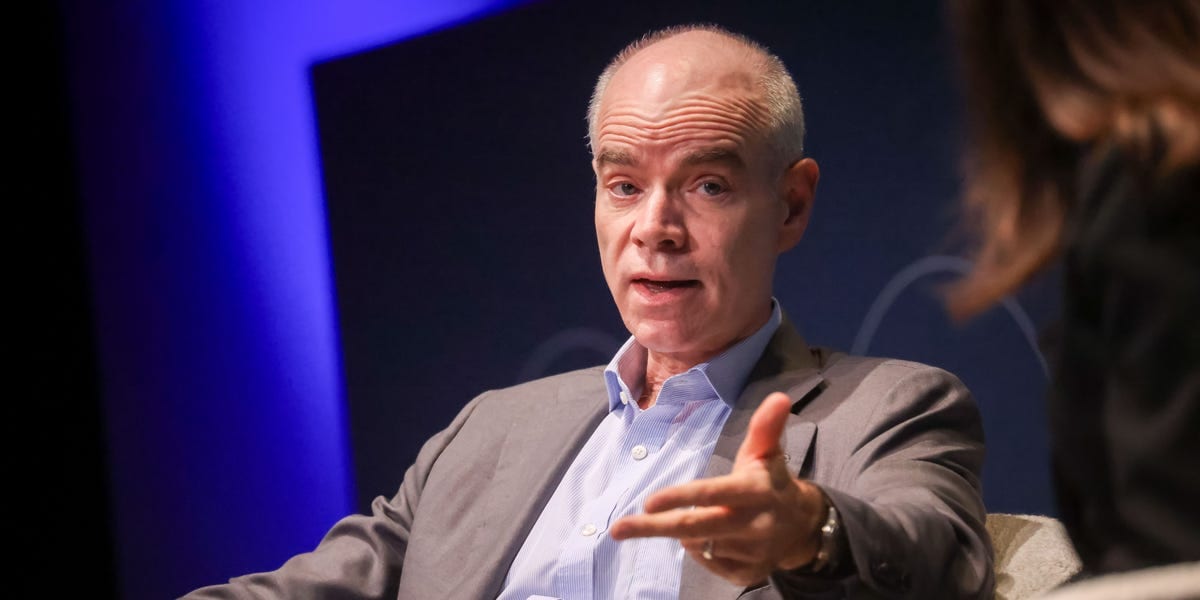
NYT Editor: Video push is a 'race against time' amid AI-generated content

Created at 8 Jul · 10:15 AM1 source↑ Market-relevant
IN SHORT

New York Times Executive Editor Joe Kahn stated the publication is in a "race against time" to produce trustworthy video journalism before AI-generated content overwhelms online platforms. He emphasized that video is crucial for reaching a wider audience, even if not immediately monetized.

✉Newsletter

PiQ Daily

Pick your topics. Get only what matters, on your cadence.

Key Numbers

two or three-minutesummary length for videos
four yearsKahn's tenure as editor

Who's Involved

Joe Kahn
New York Times Executive Editor
Peter Kafka
Chief Correspondent covering media and technology
NYT Editor: Video push is a 'race against time' amid AI-generated content

↳ Why This Matters

The New York Times' strategic pivot to video journalism highlights a critical industry challenge: adapting to changing news consumption habits while combating the rise of AI-generated misinformation. This move signals a broader trend among legacy media organizations to leverage new formats to maintain audience reach and journalistic integrity.

Key facts

  • The New York Times is prioritizing video journalism as a major transformation for the newsroom.
  • Executive Editor Joe Kahn believes the push is a "race against time" to deliver trustworthy content before AI-generated "slop" dominates.
  • The strategy aims to reach a broader audience, including those who prefer short-form video over long-form text.
  • NYT videos are performing well on platforms like TikTok, Instagram, and YouTube Shorts, as well as on the Times' own website.
  • The company is expanding its video journalism team to meet the growing demand.

The New York Times is undertaking a significant transformation by prioritizing video journalism, which Executive Editor Joe Kahn describes as a "race against time" to establish trustworthy content amidst a flood of AI-generated material. Kahn believes this shift is as crucial as the transition from print to digital.

Kahn explained that the strategy aims to reach a wider audience, particularly younger demographics and those who prefer short-form video content. He noted that the Times' videos are performing well both on their own website and on social media platforms like TikTok, Instagram, and YouTube Shorts. While not immediately focused on monetization, Kahn expressed confidence that exposure to high-quality reporting will eventually drive audience engagement and expectations.

The publication is actively expanding its video journalism team to meet the increasing demand for video content. Kahn acknowledged that not all journalists are comfortable on camera, but emphasized that the current challenge is a supply shortage of video content rather than a lack of willingness from reporters. He sees this video integration as a way to differentiate the Times from influencers and ensure the continued relevance of quality journalism in a rapidly evolving media landscape.

Frequently asked questions

The New York Times is investing in video journalism to reach a wider audience, particularly those who prefer short-form content, and to compete with the proliferation of AI-generated content online.

The video content serves both existing subscribers on the Times' site and aims to attract new audiences on platforms like TikTok and Instagram.

The main concern is that AI-generated content will overwhelm online platforms with low-quality or untrustworthy material, making it harder for credible journalism to be seen.

No, The New York Times is not insisting that all journalists appear on camera, though there is currently a high demand for video presence.

What Happens Next

01The New York Times will continue to expand its video journalism team.
02The publication will further integrate video content across its platforms.
03Kahn will continue his four-year term as Executive Editor.

Get the newsletter.

Pick the topics you actually care about. We'll email when there's news worth your time, on the cadence you choose. Cancel any time from your account.

Cadence

How It Developed

The New York Times is significantly increasing its video journalism output.
Executive Editor Joe Kahn described the push as a "race against time" to counter AI-generated content.
Kahn believes video is essential for reaching audiences who prefer short-form content.
The Times' video journalism is performing well on its own site and on platforms like TikTok and Instagram.
The publication is hiring more video journalists to meet demand.
Kahn views this video transformation as comparable to the print-to-digital shift.

Sources

T1
The New York Times' top editor explains why its new push into video is a 'race against time'Business Insider

Related Stories

Netflix Adds Short-Form Publisher Content to Combat Viewer Drop-off
7 Jul · 5:40 PM
China's DeepSeek plans custom chips amid US export controls
7 Jul · 4:21 PM
Meta rolls out Muse Image generative AI tool
7 Jul · 6:07 PM
France orders Meta to resume media payment talks
8 Jul · 9:50 AM
OpenAI's GPT-5.6 and Musk's Grok 4.5 set to launch amid rivalry
8 Jul · 11:00 AM