Key facts
- The New York Times is seeking to amend its copyright infringement lawsuit against OpenAI and Microsoft.
The New York Times seeks to amend its copyright complaint against OpenAI and Microsoft, alleging Microsoft built a specialized supercomputer to help OpenAI infringe on copyrighted works. This move follows a Supreme Court ruling that altered the standard for contributory infringement claims.
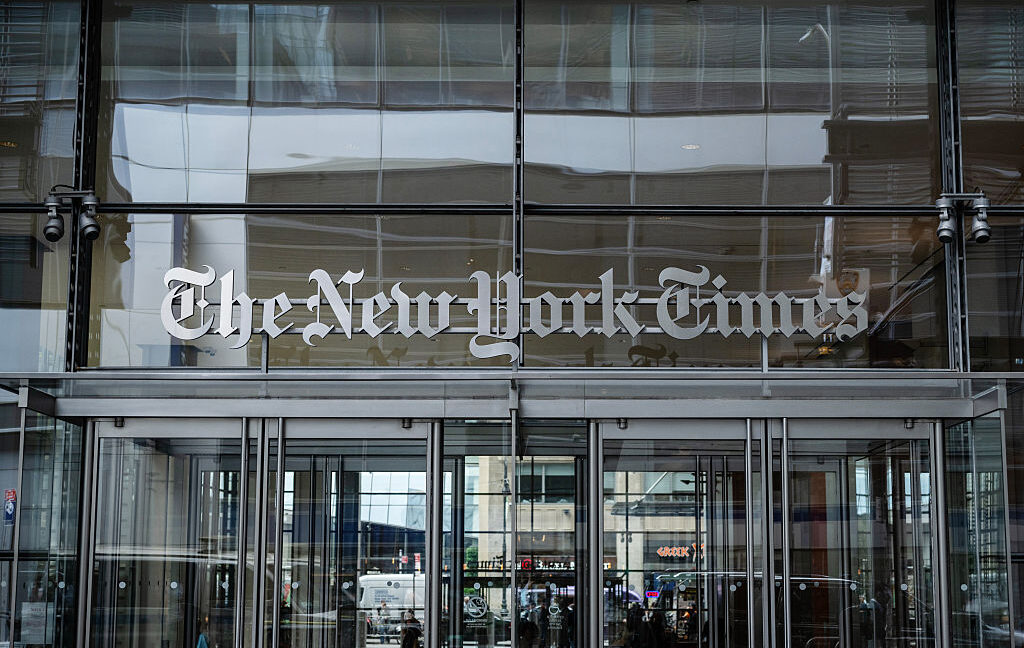
This case could significantly shape the legal landscape for AI training data, potentially impacting how generative AI models are developed and the extent to which copyrighted material can be used without permission, affecting both AI developers and content creators.
The New York Times has filed a motion to amend its copyright infringement lawsuit against OpenAI and Microsoft, alleging that Microsoft constructed a specialized supercomputer to assist OpenAI in infringing upon the newspaper's copyrighted works. This strategic legal adjustment comes in the wake of a Supreme Court ruling in the Cox Communications case, which established a higher standard for proving contributory infringement.
The NYT's proposed amended complaint aims to clarify its claim against Microsoft, asserting that the tech giant actively encouraged the alleged theft of copyrighted material by building a supercomputing system ranked among the world's most powerful. According to the motion, this system was specifically designed to train AI models on copyrighted content, with a particular emphasis on The Times's high-quality journalism, in an effort to mimic its style and content.
In addition to strengthening its contributory infringement claim, The Times has agreed to voluntarily dismiss two other claims related to trademark dilution and contributory copyright infringement against all defendants. Microsoft, however, views this move as a "last-ditch effort" by the plaintiff to salvage its case against unfavorable legal precedents.
The lawsuit details alleged market harms, including instances where OpenAI's models produced near-verbatim excerpts of NYT articles, effectively substituting for subscriptions and potentially causing financial losses through affiliate link commissions. The complaint also highlights instances of AI "hallucinations," where models falsely attribute content or fabricate articles purportedly from The Times.
OpenAI maintains that its use of copyrighted material for AI training constitutes fair use and that its models are trained on publicly available data. The NYT, however, argues that the evidence of substitution and market harm is substantial and seeks permanent injunctive relief to prevent future infringement.