Key facts
- Naked mole-rat queens use the chemical isopropyl myristate to suppress reproduction in other females.
- This scent molecule is secreted from the queen's genitals and acts as a contraceptive.
- Isopropyl myristate levels rise and fall with the queen's fertility.
- The molecule's stability allows it to persist in tunnels, aiding its spread.
- Exposure to isopropyl myristate triggers hormonal changes in non-breeding females, suppressing fertility.
- In colonies, the scent prevented reproductive competition and aggression after a queen was removed.
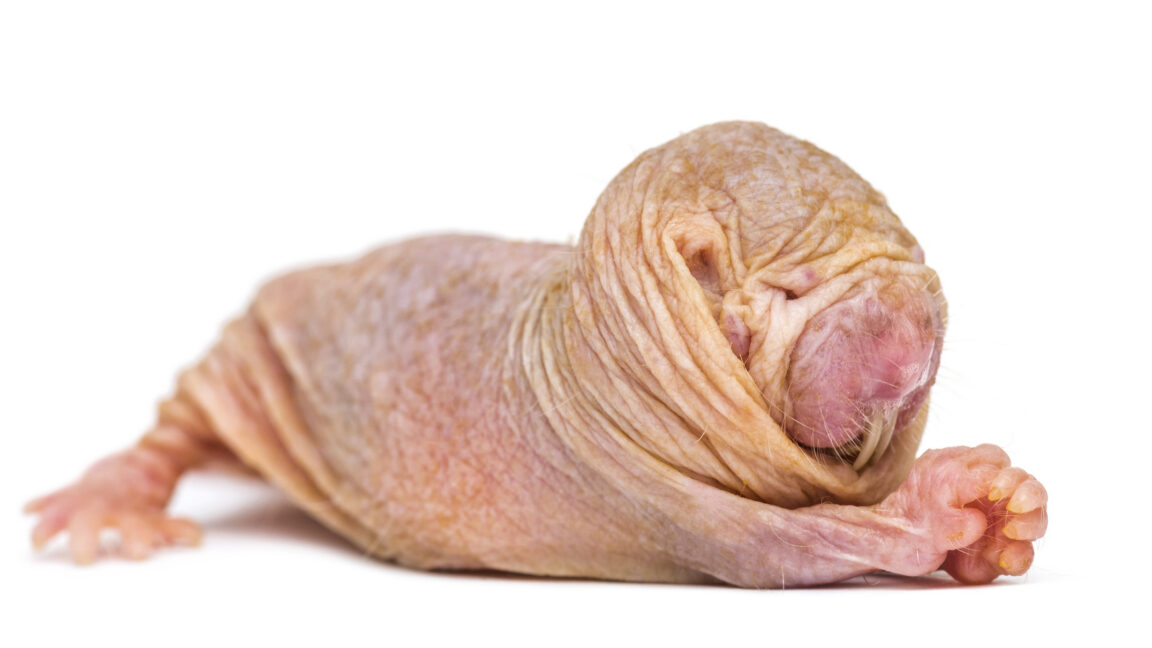
Naked mole rats, known for their unusual longevity, pain insensitivity, and cancer resistance, exhibit eusocial behavior similar to ants and bees, with a single queen dominating reproduction within a colony. Previously, it was unclear how queens maintained this reproductive control, with bullying being a leading hypothesis. However, scientists at the Max Delbrück Center for Molecular Medicine have discovered that a specific chemical signal is the primary mechanism.
Naked mole rats possess a highly developed sense of smell, with approximately 1200 olfactory receptor genes, significantly more than mice or humans. This enhanced olfactory capability is crucial for their navigation and social interactions in their underground tunnel systems. Researchers collected scent profiles from individual mole rats and found that each colony member carries a unique chemical signature. Mole rats use these scents to distinguish nestmates from strangers, reacting aggressively, even lethally, towards unfamiliar individuals.
The study identified a specific ester, isopropyl myristate, present only in the scent bouquets of breeding queens. This molecule is secreted from the queen's genitals and deposited throughout the colony's tunnels. Its concentration fluctuates with the queen's reproductive cycle, peaking when she is fertile. The compound is also relatively stable, persisting for up to 24 hours, which aids in its widespread dissemination within the extensive burrow networks.
Experiments revealed that higher-ranked females, those with a potential to challenge the queen, actively avoided the scent of isopropyl myristate. Functional ultrasound imaging demonstrated that the molecule strongly activates the olfactory cortex in mole rats, indicating it is perceived as a distinct signal. Furthermore, exposure to the queen's scent induced significant hormonal shifts in non-breeding females, reducing prolactin levels (which suppress fertility) and increasing progesterone levels (associated with active breeding).
When mating pairs were exposed to isopropyl myristate, they failed to breed, confirming its contraceptive effect. In colony-wide experiments, removing a queen and subsequently dosing the colony with the scent prevented any aggressive power struggles or the emergence of new reproductive queens for three months, maintaining social peace and suppressing fertility among subordinates.