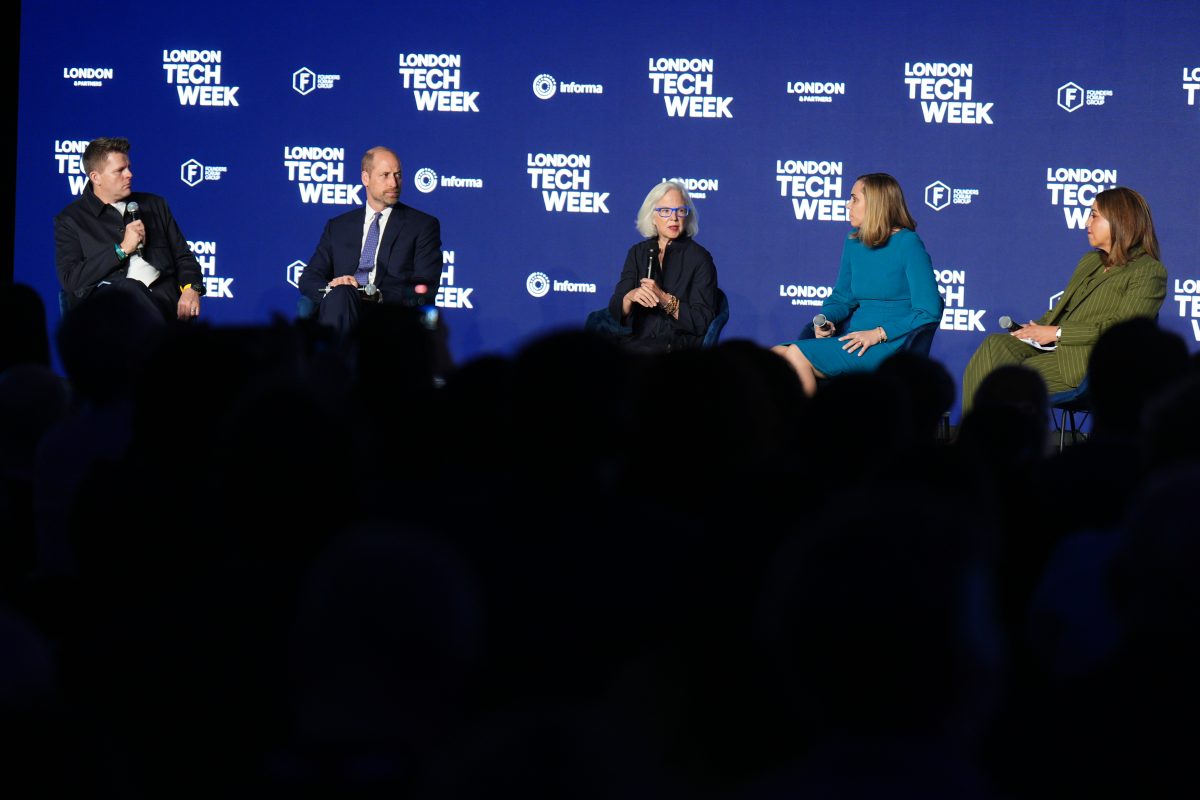
London Tech Week Highlights UK Ecosystem's Maturity and Innovation | PiQ Markets
London Tech Week Highlights UK Ecosystem's Maturity and Innovation
1 source↑ Market-relevant
IN SHORT
London Tech Week's 13th edition concluded, showcasing the UK tech ecosystem's shift from potential to practical deployment across AI, deeptech, and climate innovation. Discussions emphasized industrial applications, talent development, and sustainability, with over 30,000 delegates attending.
✉Newsletter
PiQ Daily
Pick your topics. Get only what matters, on your cadence.
Key Numbers
13thedition of London Tech Week
28events and meetups attended
25,000daily steps taken by the author
£2.7bnannual economic contribution of West England aerospace cluster
£50bnvaluation of the UK climate tech sector
2,200+startups and scaleups in UK climate tech
30,000+delegates attending London Tech Week
128countries represented at the event
Who's Involved
Russ Shaw
Founding partner of London Tech Week and author of the piece
↳ Why This Matters
London Tech Week's conclusion signals a maturing UK tech sector, demonstrating a tangible shift towards practical application and innovation across key areas like AI, deeptech, and climate technology, fostering confidence in its global competitiveness.
Key facts
London Tech Week's 13th edition concluded, reflecting the maturity and scale of the UK tech ecosystem.
Conversations evolved from AI capabilities and investment to adoption, workforce readiness, inclusion, and industrial applications.
The final day focused on deeptech and the application of frontier technologies in traditional industries, particularly in land, air, and sea domains.
The UK climate tech sector is valued at over £50bn and comprises more than 2,200 startups and scaleups.
Over 30,000 delegates from more than 128 countries participated in events across London.
The week emphasized the convergence of AI, deeptech, and climate innovation.
London Tech Week concluded its 13th edition, with the final day on Friday, June 12, 2026, highlighting the UK tech ecosystem's progression from potential to practical deployment.
Across five days, discussions evolved from AI capabilities and investment to adoption, workforce readiness, inclusion, industrial applications, and frontier technologies. The author, Russ Shaw, attended 28 events, noting the week's scale and maturity.
The final day featured fringe events focusing on evolving talent pipelines and the application of deeptech and frontier technologies in sectors like land, air, and sea. The Tech West England Advocates session underscored the UK's strengths in applied engineering, citing the South West's marine robotics and Bristol's aerospace cluster, which contributes an estimated £2.7bn annually.
Discussions also centered on sustainability and climate technology, with attention to energy use and efficiency as AI and deeptech adoption accelerates. The UK climate tech sector is now valued at over £50bn and includes more than 2,200 startups and scaleups.
Overall, the week demonstrated a convergence of AI, deeptech, and climate innovation. More than 30,000 delegates from over 128 countries participated, reflecting a global and interconnected technology ecosystem.
Frequently asked questions
The main theme was the UK tech ecosystem's shift from potential to practical deployment across AI, deeptech, and climate innovation.
Over 30,000 delegates attended events across London.
The UK climate tech sector is valued at over £50bn.
The South West's marine robotics ecosystem and Bristol's aerospace cluster were highlighted for their contributions.
What Happens Next
01London Tech Week 2027 planning will commence.
Get the newsletter.
Pick the topics you actually care about. We'll email when there's news worth your time, on the cadence you choose. Cancel any time from your account.
Cadence
How It Developed
London Tech Week concluded its 13th edition on Friday, June 12, 2026.
The event featured 28 events and meetups across the city.
Discussions spanned AI capability, investment, adoption, workforce readiness, inclusion, industrial application, and frontier technologies.
The final day focused on talent pipelines, deeptech, and applying frontier technologies in traditional industries.
Sessions explored how technologies are reshaping land, air, and sea domains, highlighting UK strengths in applied engineering.
The South West's marine robotics and Bristol's aerospace cluster were noted for their contributions.
Discussions on sustainability and climate technology addressed energy use and responsible growth.
The UK climate tech sector is valued at over £50bn with more than 2,200 startups.