Key facts
- Josys, a Japanese cybersecurity startup, is developing its technology and operations with a significant presence in India.
- The company's goal is to protect enterprises from increasing ransomware threats.
- A past ransomware attack on a major Japanese distributor highlighted vulnerabilities in contractor account security.
- The Japan India Startup Hub supports collaborations between Indian and Japanese startups.
- Japanese cybersecurity procurement prioritizes factors like SOC depth, partner enablement, and data residency.
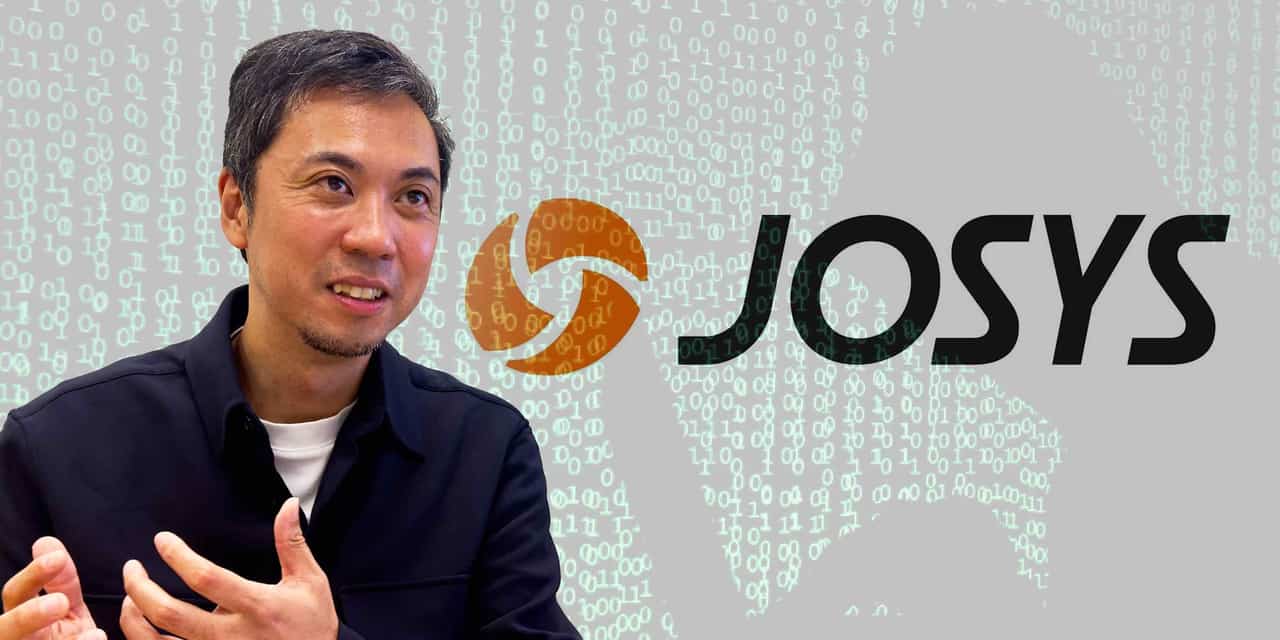
Josys, a Japanese cybersecurity startup, is leveraging a hybrid development model with a significant operational base in India to combat the growing threat of ransomware attacks. The company's CEO, Yasukane Matsumoto, stated that Josys was conceived as a fusion of Indian and Japanese expertise from its inception.
The need for such solutions is underscored by real-world incidents, such as a ransomware attack in October that disrupted deliveries for a major Japanese office supply distributor. The attack exploited a shared contractor account lacking multifactor authentication, highlighting a common vulnerability.
The Japan India Startup Hub, established through a joint statement between Japan's Ministry of Economy, Trade, & Industry (METI) and India's Ministry of Commerce & Industry in May 2018, aims to foster synergies between the startup ecosystems of both nations. This platform supports collaborations among startups, investors, and incubators, providing resources for market entry and global expansion.
In Japan's cybersecurity landscape, procurement decisions are increasingly influenced by factors such as the depth of Security Operations Center (SOC) staffing, the quality of partner enablement, and the ability of vendors to demonstrate data residency and logging retention for audit purposes. Enterprises are grappling with daily AI-driven threats, particularly those relying on cloud and remote access. Companies like NEC are aligning with national guidance and frameworks like NIST CSF 2.0, while NTT Security Holdings emphasizes service continuity for critical infrastructure. Fujitsu is actively developing advanced security technologies, including multi-AI agent systems, and Trend Micro is a key player addressing AI threats in Japanese enterprises.